
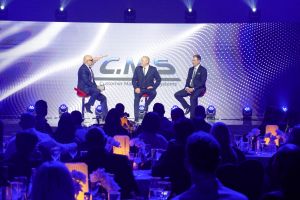
CMS Systems marks 25 years in automotive retail technology
CMS Systems is celebrating 25 years in business, marking a significant milestone for a company that has become a central player in automotive retail technology.
- Industry News
- 24 April 2026
Reuters, citing “two people with knowledge of the work”, said Toyota is expected to outline adjustments to its electric vehicle (EV) strategy to key suppliers early next year.
It is alleged that the purpose of the exercise is to narrow the gap on price and performance with industry leaders Tesla and BYD.
The adjustments, to be communicated to suppliers, is said to take place over the next three years.
The motor manufacturing giant is planning to improve its competitiveness over the next decade by speeding up the adoption of performance-boosting technologies for its planned EV models.
But, according to the sources, the adjustments might cause delays to some of the EV development programmes originally planned for the period until 2026.
Reuters said that according to their sources, “the changes would be for the successors to Toyota's first two EVs for major markets, the bZ4X and the Lexus RZ, and are intended to close the gap with Tesla Inc on cost and performance”. According to analysts, Tesla made almost eight times the profit per vehicle as Toyota for the third quarter, partly because of its ability to simplify EV production and reduce costs.
According to Reuters, “Toyota has been reviewing a $30-billion, three-stage plan for developing and releasing EVs. It has suspended work on some battery-powered car projects announced last year, while a working group headed by former chief competitive officer, Shigeki Terashi, looks to improve cost performance and technology in the fast-growing market for EVs.”
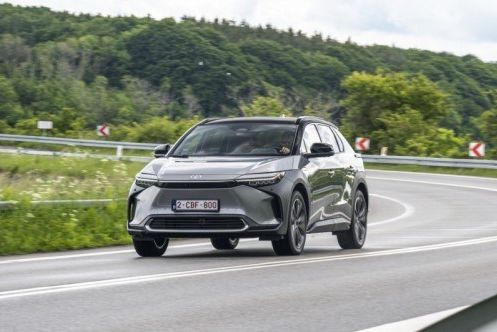
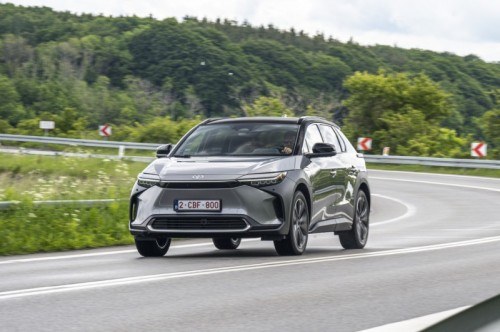
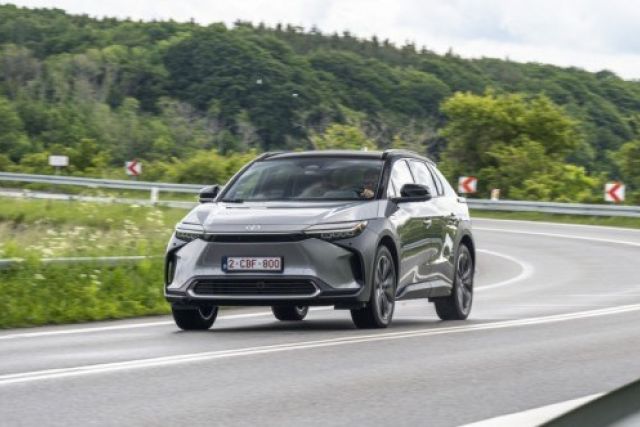
Toyota's EV strategy has focussed on the rollout of cars like the bZ4X, the first of a string of battery electric vehicles under the series name "beyond zero".
The second stage of Toyota's plan covers the next several years when Toyota has models based on the e-TNGA platform under development, the company has told some suppliers. Adjustments to this phase are the changes likely to be outlined to suppliers early next year.
Now Terashi's group is allegedly considering whether to drop the three-year-old e-TNGA architecture, created by modifying a gasoline car platform, in favour of a dedicated EV platform.
E-TNGA was designed so EVs could be built on Toyota assembly lines with gasoline cars and hybrids, a compromise that limits the automaker's ability to deliver factory-floor innovations that Toyota engineers now recognise as key to Tesla's strength.
CMS Systems is celebrating 25 years in business, marking a significant milestone for a company that has become a central player in automotive retail technology.
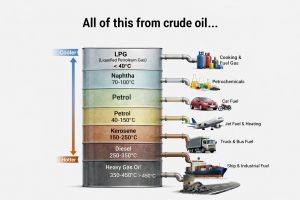
Oil prices jumped on Wednesday after Iran's seizure of container ships in the strait.
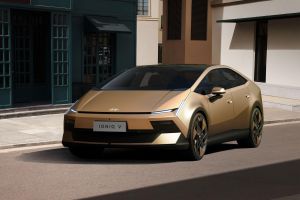
Hyundai Motor is preparing an aggressive comeback in China, unveiling plans to launch 20 new vehicles over the next five years as it tries to rebuild its position in the world’s largest car market.
 Advertisement
 Advertisement
Have you ever noticed that anybody driving slower than you is an idiot, and anyone going faster than you is a maniac?
George Carlin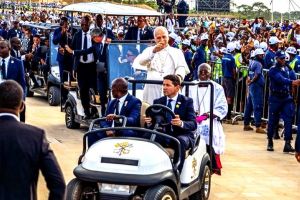
Supporting the Pope on Africa soil in or on vehicles assembled on the continent, is the story of OPAIA Motors.
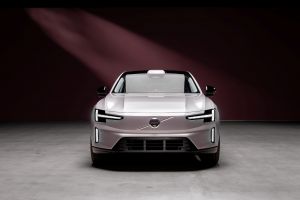
Europe’s shift to electric vehicles (EVs) gathered fresh momentum at the start of 2026, as soaring petrol prices prompted drivers to rethink the cost and security of running petrol and diesel vehicles.
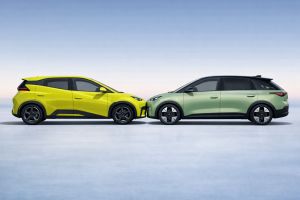
Two years ago, the cheapest mainstream electrical vehicles (EVs) in South Africa were mostly premium products priced well above R700 000.