

Springboks score tries in Nissan Navara Pro4X
Two leading Springbok rugby players, Aphelele Fassi and Jordan Hendrikse, have taken delivery of their new Nissan Navara Pro4X bakkies in Durban.
- Industry News
- 12 May 2026
Reuters, citing “two people with knowledge of the work”, said Toyota is expected to outline adjustments to its electric vehicle (EV) strategy to key suppliers early next year.
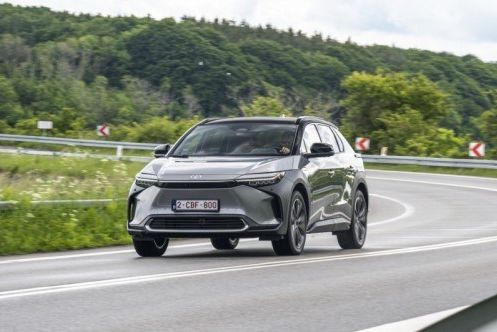
It is alleged that the purpose of the exercise is to narrow the gap on price and performance with industry leaders Tesla and BYD.
The adjustments, to be communicated to suppliers, is said to take place over the next three years.
The motor manufacturing giant is planning to improve its competitiveness over the next decade by speeding up the adoption of performance-boosting technologies for its planned EV models.
But, according to the sources, the adjustments might cause delays to some of the EV development programmes originally planned for the period until 2026.
Reuters said that according to their sources, “the changes would be for the successors to Toyota's first two EVs for major markets, the bZ4X and the Lexus RZ, and are intended to close the gap with Tesla Inc on cost and performance”. According to analysts, Tesla made almost eight times the profit per vehicle as Toyota for the third quarter, partly because of its ability to simplify EV production and reduce costs.
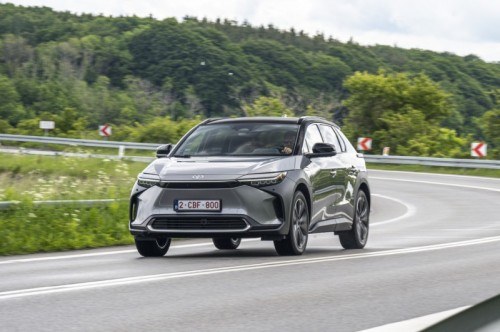
According to Reuters, “Toyota has been reviewing a $30-billion, three-stage plan for developing and releasing EVs. It has suspended work on some battery-powered car projects announced last year, while a working group headed by former chief competitive officer, Shigeki Terashi, looks to improve cost performance and technology in the fast-growing market for EVs.”
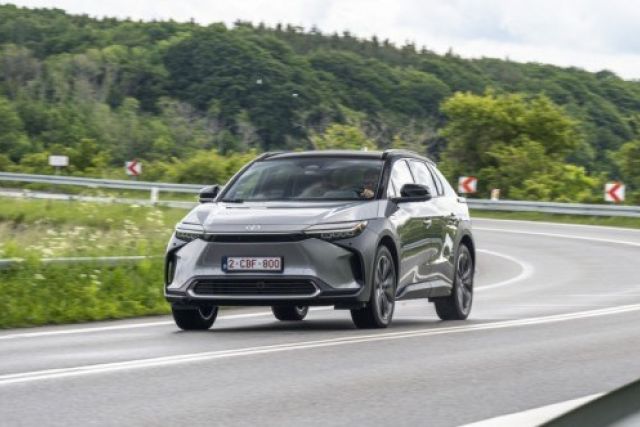
Toyota's EV strategy has focussed on the rollout of cars like the bZ4X, the first of a string of battery electric vehicles under the series name "beyond zero".
The second stage of Toyota's plan covers the next several years when Toyota has models based on the e-TNGA platform under development, the company has told some suppliers. Adjustments to this phase are the changes likely to be outlined to suppliers early next year.
Now Terashi's group is allegedly considering whether to drop the three-year-old e-TNGA architecture, created by modifying a gasoline car platform, in favour of a dedicated EV platform.
E-TNGA was designed so EVs could be built on Toyota assembly lines with gasoline cars and hybrids, a compromise that limits the automaker's ability to deliver factory-floor innovations that Toyota engineers now recognise as key to Tesla's strength.
Two leading Springbok rugby players, Aphelele Fassi and Jordan Hendrikse, have taken delivery of their new Nissan Navara Pro4X bakkies in Durban.
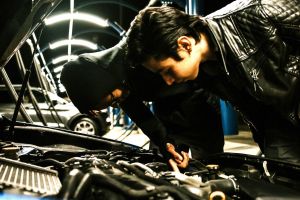
Dealership service departments know the pattern: the moment warranties and service plans expire; a portion of owners quietly migrate to the independent aftermarket.
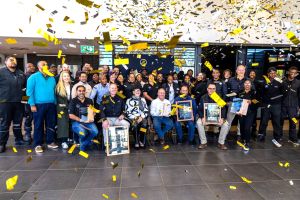
Mercedes-Benz Vans South Africa announced its top-performing Agents and Dealers for 2025, recognising their exceptional dedication, customer service and commitment to the brand.
 Advertisement
 Advertisement
I have bad reflexes. I was once run over by a car being pushed by two guys
Woody Allen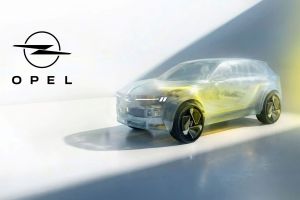
Opel has unveiled a key project under development in its model strategy: a completely new, all-electric SUV in the important and highly competitive C-segment that would extend the current line-up.
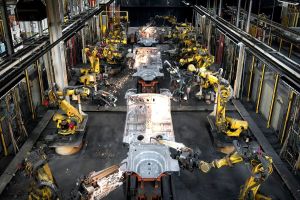
Nissan’s decision to drop a planned $500 million investment in electric vehicle (EV) production at its Canton, Mississippi plant is the latest indication that established manufacturers are reassessing how quickly the market will shift to battery power.
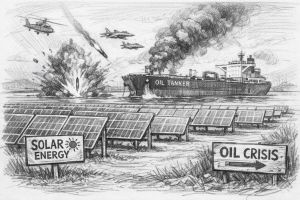
Zero Carbon Charge (CHARGE) welcomes the government’s extension of short term fuel levy relief measures aimed at cushioning consumers from rising fuel prices, but cautions that these interventions do not address the underlying structural challenge facing South Africa’s transport economy.