

Springboks score tries in Nissan Navara Pro4X
Two leading Springbok rugby players, Aphelele Fassi and Jordan Hendrikse, have taken delivery of their new Nissan Navara Pro4X bakkies in Durban.
- Industry News
- 12 May 2026
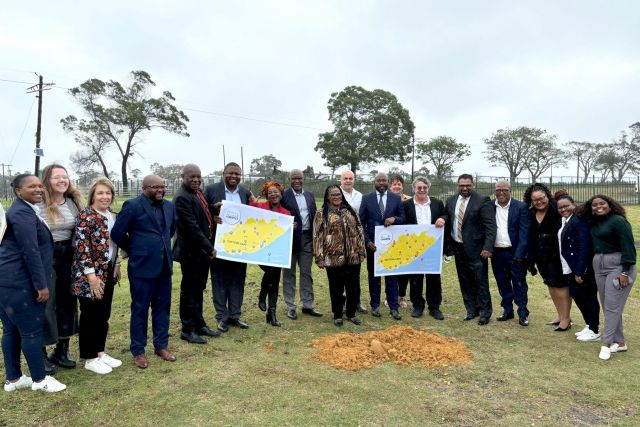
Zero Carbon Charge (CHARGE), in partnership with the Automotive Industry Development Centre Eastern Cape (AIDC-EC), together with the Eastern Cape Provincial Government, broke ground on the province’s first off-grid, ultra-fast, green electric vehicle charging network.
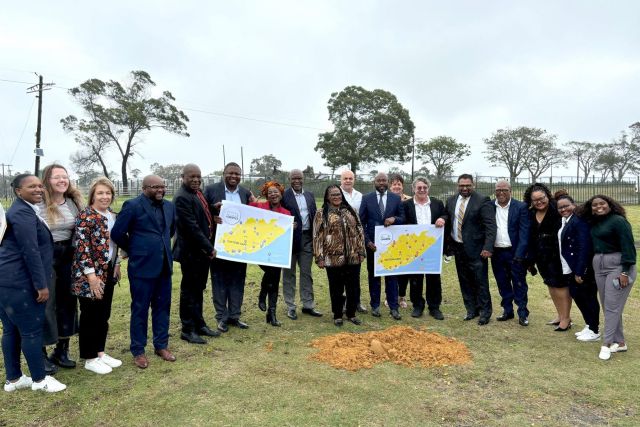
This marks a significant milestone in South Africa's efforts to build a sustainable transport network that contributes to climate emission reduction.
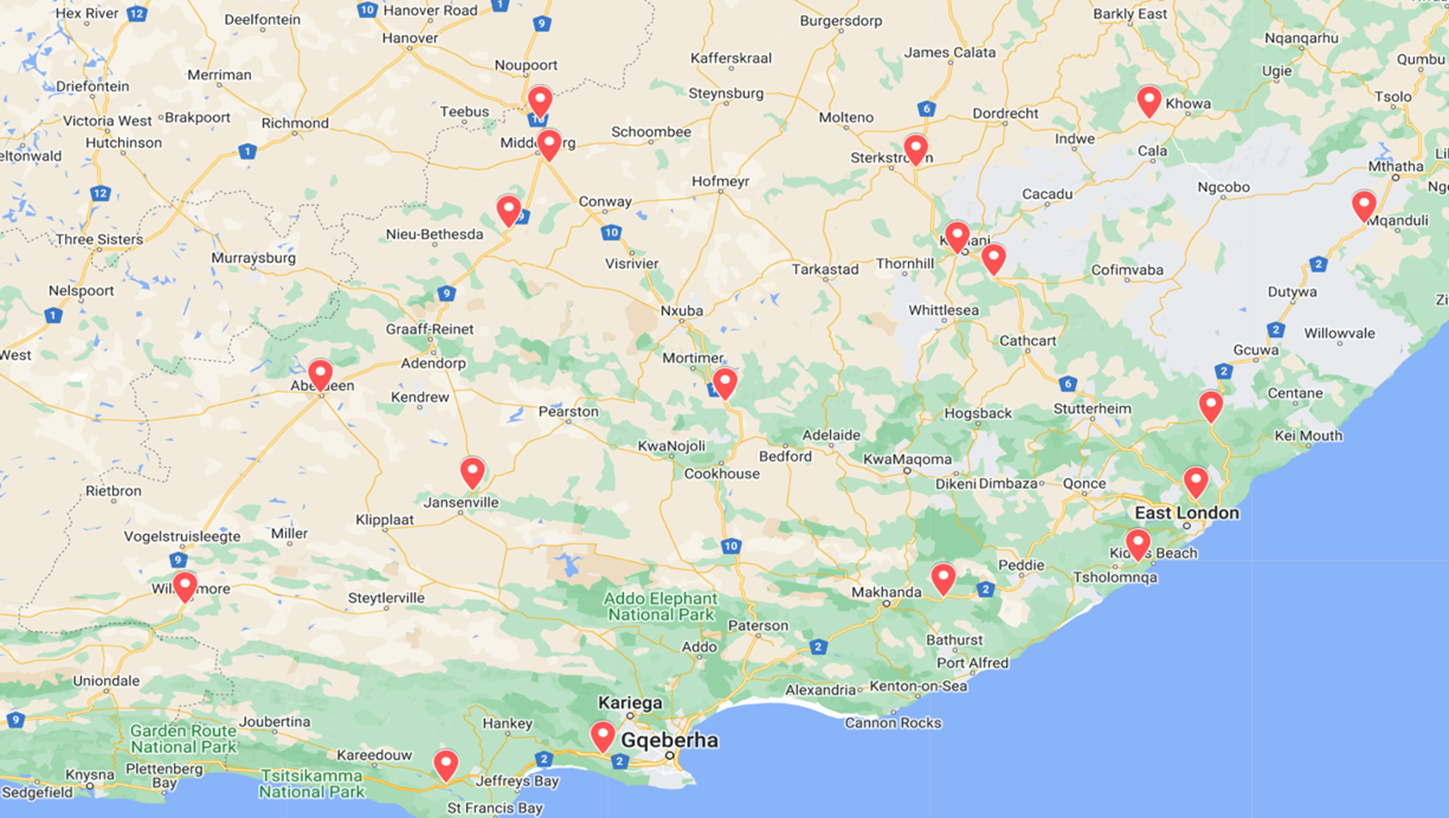
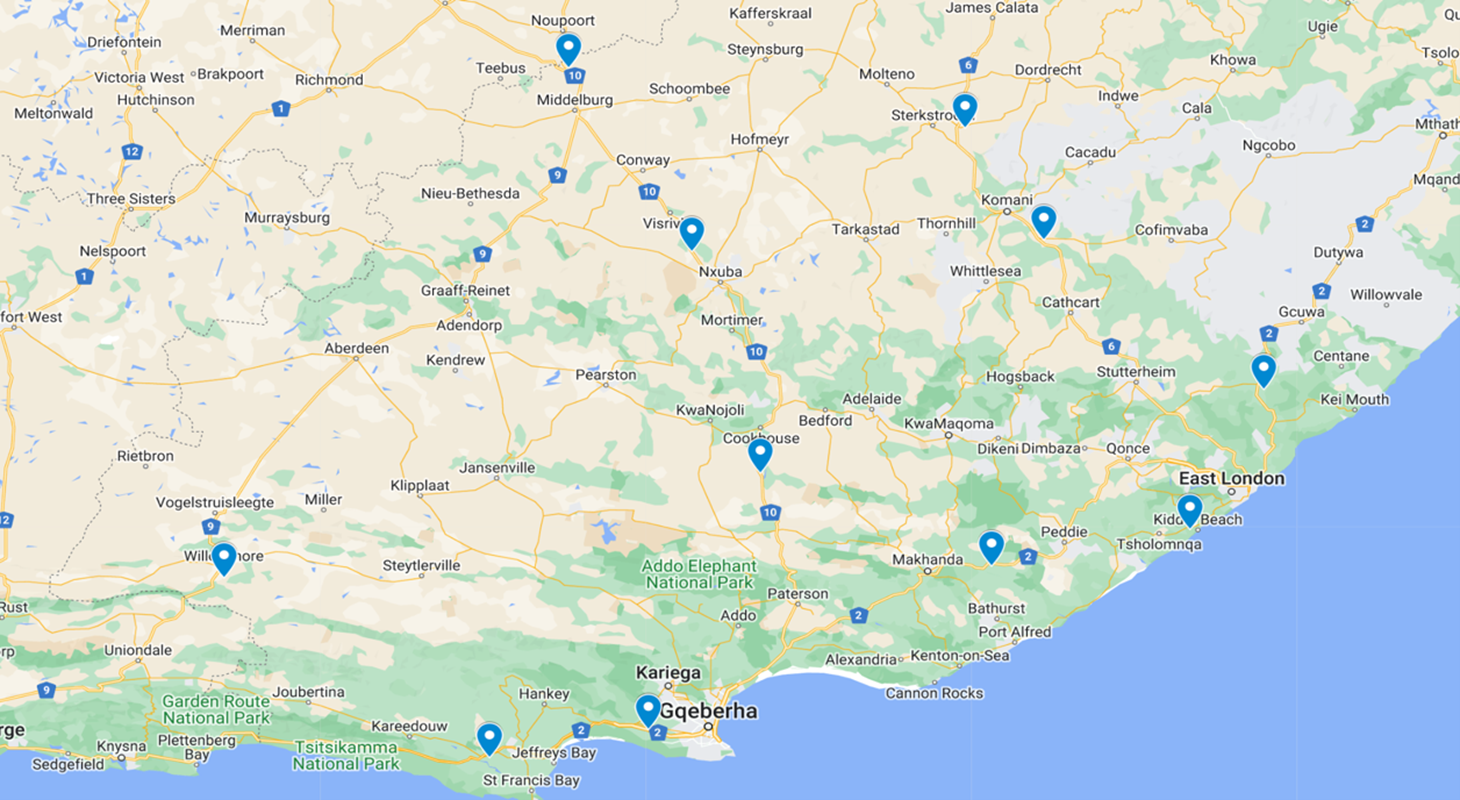
The network in the Eastern Cape will consist of 29 sites, 18 of which will be dedicated to electric passenger and light commercial vehicles, while 11 will be for off-grid electric truck charging stations.
Zero Carbon Charge will be investing a total of R11.4 billion in the roll-out of the electric vehicle charging stations in the Eastern Cape. This forms part of its broader project of building a national network of 120 off-grid electric passenger and light commercial vehicle charging stations and 120 electric truck charging stations.
The development of the 11 sites for solar-powered electric truck charging stations will be completed on a route-by-route basis, similar to the launch of the N3 Electric Highway planned between Johannesburg and Durban. Crucially, both electric passenger and light commercial vehicles and electric truck charging sites will be completely independent of Eskom’s predominantly coal-powered grid, which means they will be green and completely loadshedding-proof.
It is envisaged that construction of the charging station at Wagon Wheels Farm Stall on the N6 will start in the first quarter of 2025. It will be one of five other Zero Carbon Charge charging stations in the Eastern Cape that will be rolled out simultaneously.
This marks a significant milestone in South Africa's efforts to build a sustainable transport network that contributes to climate emission reduction.
The network in the Eastern Cape will consist of 29 sites, 18 of which will be dedicated to electric passenger and light commercial vehicles, while 11 will be for off-grid electric truck charging stations.
Zero Carbon Charge will be investing a total of R11.4 billion in the roll-out of the electric vehicle charging stations in the Eastern Cape. This forms part of its broader project of building a national network of 120 off-grid electric passenger and light commercial vehicle charging stations and 120 electric truck charging stations.
The development of the 11 sites for solar-powered electric truck charging stations will be completed on a route-by-route basis, similar to the launch of the N3 Electric Highway planned between Johannesburg and Durban. Crucially, both electric passenger and light commercial vehicles and electric truck charging sites will be completely independent of Eskom’s predominantly coal-powered grid, which means they will be green and completely loadshedding-proof.
It is envisaged that construction of the charging station at Wagon Wheels Farm Stall on the N6 will start in the first quarter of 2025. It will be one of five other Zero Carbon Charge charging stations in the Eastern Cape that will be rolled out simultaneously.
Two leading Springbok rugby players, Aphelele Fassi and Jordan Hendrikse, have taken delivery of their new Nissan Navara Pro4X bakkies in Durban.
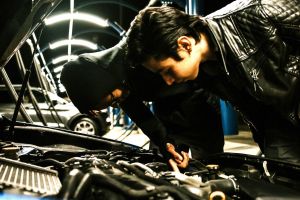
Dealership service departments know the pattern: the moment warranties and service plans expire; a portion of owners quietly migrate to the independent aftermarket.

Mercedes-Benz Vans South Africa announced its top-performing Agents and Dealers for 2025, recognising their exceptional dedication, customer service and commitment to the brand.
 Advertisement
 Advertisement
Have you ever noticed that anybody driving slower than you is an idiot, and anyone going faster than you is a maniac?
George Carlin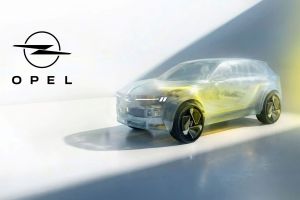
Opel has unveiled a key project under development in its model strategy: a completely new, all-electric SUV in the important and highly competitive C-segment that would extend the current line-up.
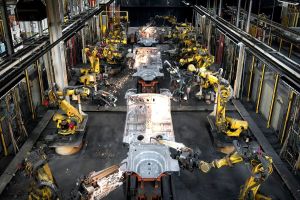
Nissan’s decision to drop a planned $500 million investment in electric vehicle (EV) production at its Canton, Mississippi plant is the latest indication that established manufacturers are reassessing how quickly the market will shift to battery power.
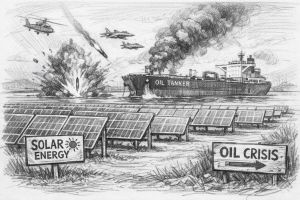
Zero Carbon Charge (CHARGE) welcomes the government’s extension of short term fuel levy relief measures aimed at cushioning consumers from rising fuel prices, but cautions that these interventions do not address the underlying structural challenge facing South Africa’s transport economy.