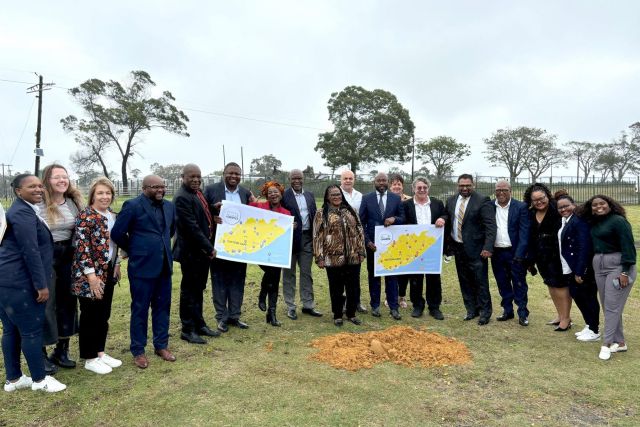
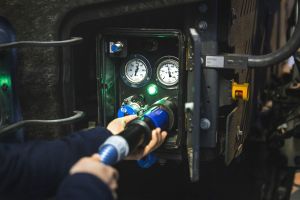
Zero Carbon Charge (CHARGE), in partnership with the Automotive Industry Development Centre Eastern Cape (AIDC-EC), together with the Eastern Cape Provincial Government, broke ground on the province’s first off-grid, ultra-fast, green electric vehicle charging network.
Share with friends
This marks a significant milestone in South Africa's efforts to build a sustainable transport network that contributes to climate emission reduction.
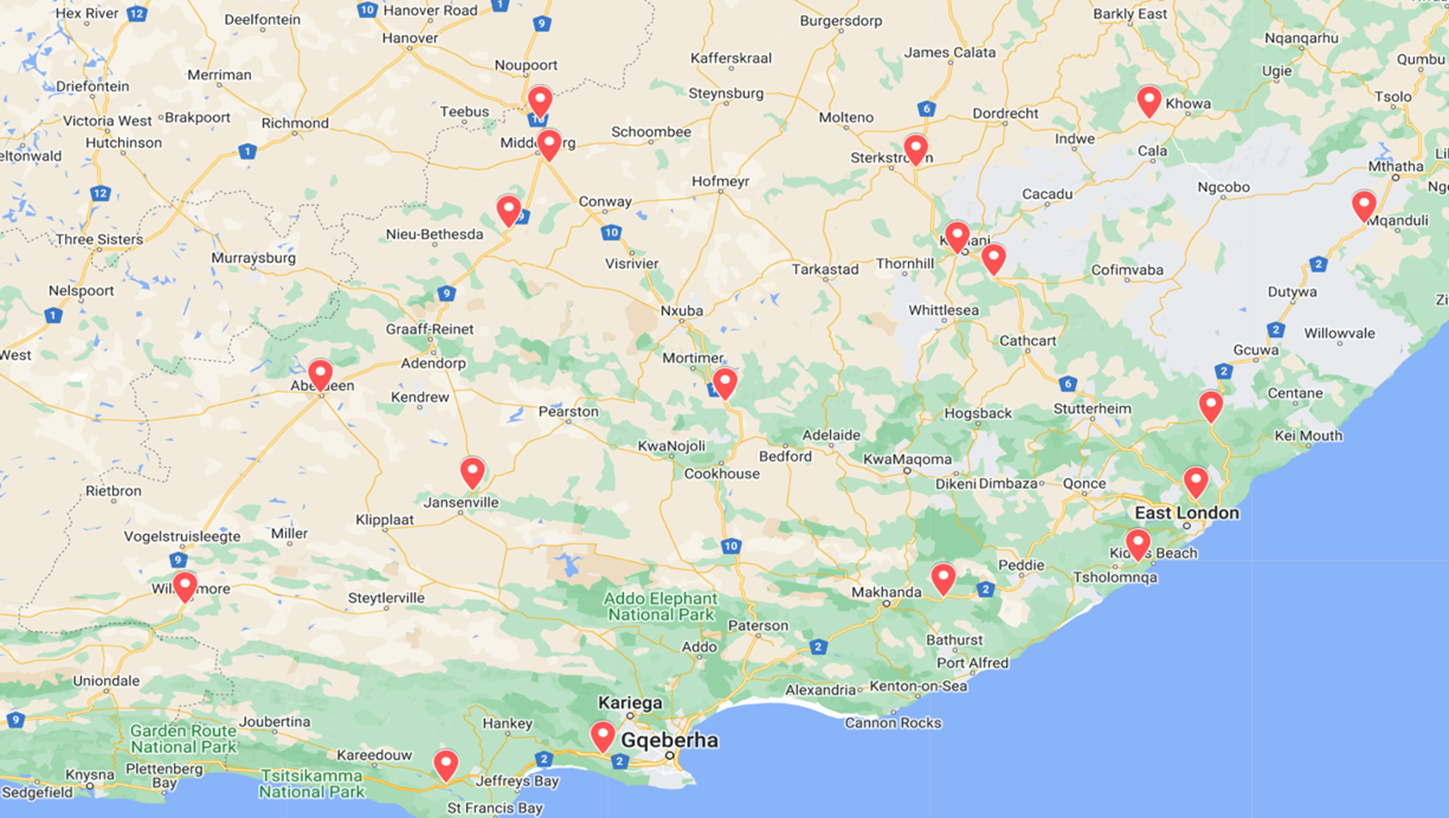
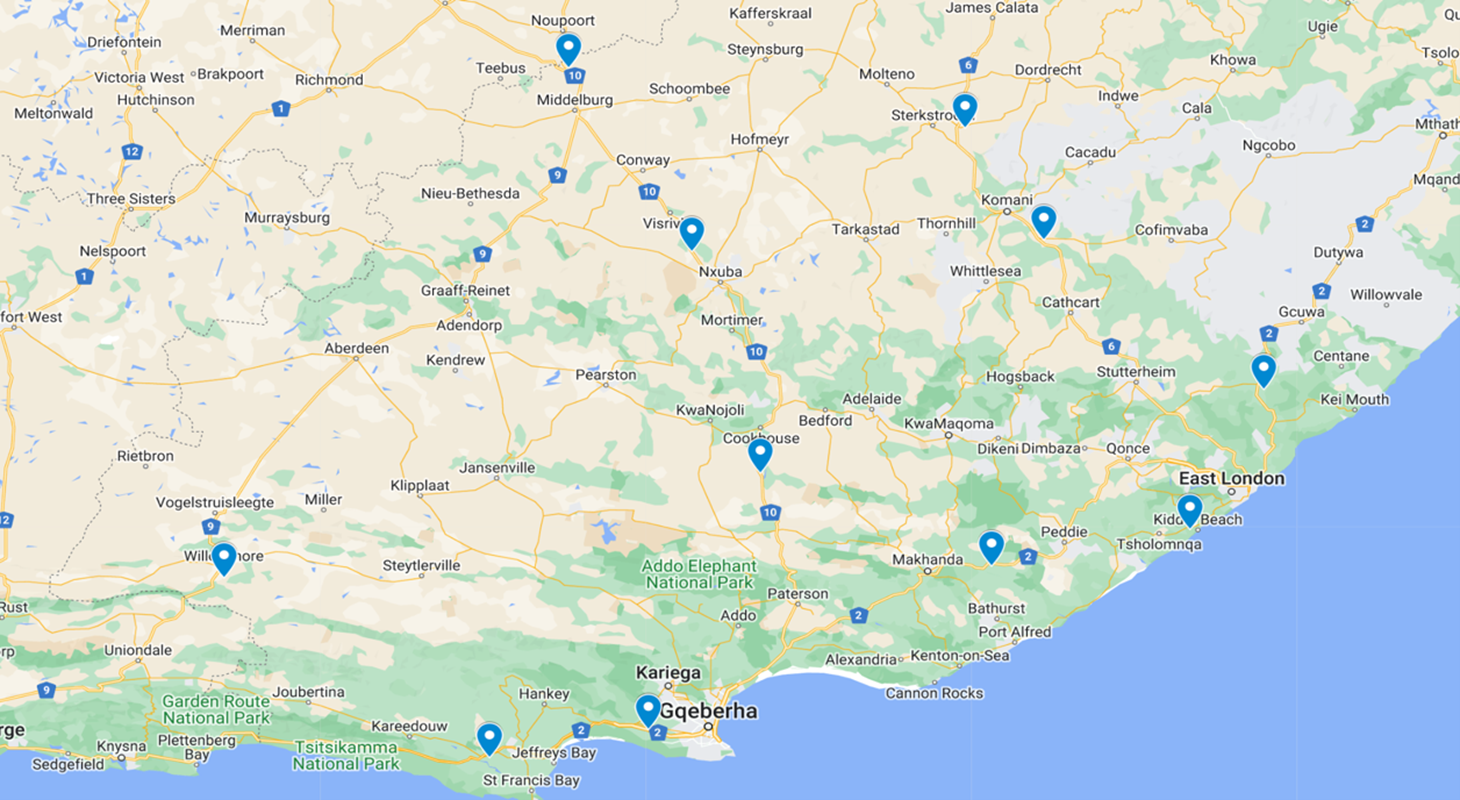
The network in the Eastern Cape will consist of 29 sites, 18 of which will be dedicated to electric passenger and light commercial vehicles, while 11 will be for off-grid electric truck charging stations.
Zero Carbon Charge will be investing a total of R11.4 billion in the roll-out of the electric vehicle charging stations in the Eastern Cape. This forms part of its broader project of building a national network of 120 off-grid electric passenger and light commercial vehicle charging stations and 120 electric truck charging stations.
The development of the 11 sites for solar-powered electric truck charging stations will be completed on a route-by-route basis, similar to the launch of the N3 Electric Highway planned between Johannesburg and Durban. Crucially, both electric passenger and light commercial vehicles and electric truck charging sites will be completely independent of Eskom’s predominantly coal-powered grid, which means they will be green and completely loadshedding-proof.
It is envisaged that construction of the charging station at Wagon Wheels Farm Stall on the N6 will start in the first quarter of 2025. It will be one of five other Zero Carbon Charge charging stations in the Eastern Cape that will be rolled out simultaneously.
The network of off-grid electric passenger and light commercial vehicle charging stations in the Eastern Cape.The network of off-grid electric truck charging stations in the Eastern Cape.
This marks a significant milestone in South Africa's efforts to build a sustainable transport network that contributes to climate emission reduction.
The network in the Eastern Cape will consist of 29 sites, 18 of which will be dedicated to electric passenger and light commercial vehicles, while 11 will be for off-grid electric truck charging stations.
Zero Carbon Charge will be investing a total of R11.4 billion in the roll-out of the electric vehicle charging stations in the Eastern Cape. This forms part of its broader project of building a national network of 120 off-grid electric passenger and light commercial vehicle charging stations and 120 electric truck charging stations.
The development of the 11 sites for solar-powered electric truck charging stations will be completed on a route-by-route basis, similar to the launch of the N3 Electric Highway planned between Johannesburg and Durban. Crucially, both electric passenger and light commercial vehicles and electric truck charging sites will be completely independent of Eskom’s predominantly coal-powered grid, which means they will be green and completely loadshedding-proof.
It is envisaged that construction of the charging station at Wagon Wheels Farm Stall on the N6 will start in the first quarter of 2025. It will be one of five other Zero Carbon Charge charging stations in the Eastern Cape that will be rolled out simultaneously.
Toyota South Africa Motors (TSAM) is set to make history with a series of Guinness World Records attempts, bringing Hilux owners together from across the country in a bold, large-scale celebration of the all-new 9th generation Toyota Hilux.
To be named the overall Hyundai Dealer of the Year is not something that simply happens. It is the result of hard work, dedication, looking after your staff and customers, and maintaining a clear focus on your goal. That goal is to be the best.
Chery is intensifying its European expansion by exploring partnerships that would allow the company to utilise existing automotive factories rather than constructing new ones.
BYD and Tesla, two giants of the electric vehicle industry, are navigating diverging challenges. BYD faces mounting competition in China and questions over its pricing strategy, while Tesla grapples with fading incentives and unsold inventory in the United States.
Volvo has commenced on-road testing of heavy trucks powered by hydrogen combustion engines. This pioneering solution places Volvo at the forefront of the industry, with commercial launch planned before 2030.
While rising fuel prices often trigger spikes in interest around electric vehicles, Volvo Car South Africa believes the real reasons South Africans are starting to consider EVs go far beyond the petrol pump.