
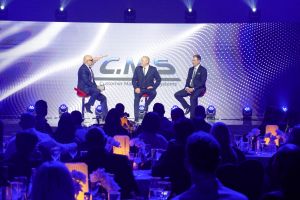
CMS Systems marks 25 years in automotive retail technology
CMS Systems is celebrating 25 years in business, marking a significant milestone for a company that has become a central player in automotive retail technology.
- Industry News
- 24 April 2026
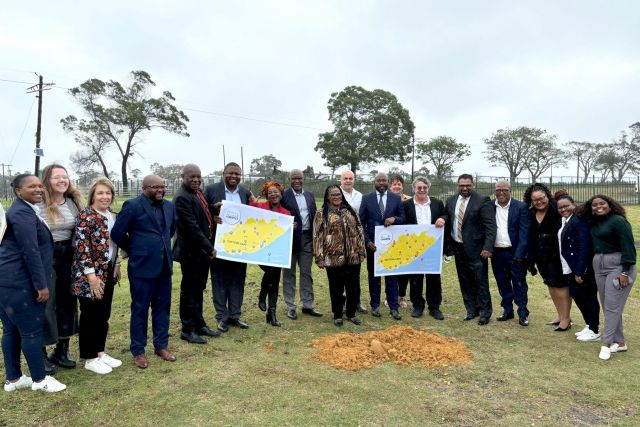
Zero Carbon Charge (CHARGE), in partnership with the Automotive Industry Development Centre Eastern Cape (AIDC-EC), together with the Eastern Cape Provincial Government, broke ground on the province’s first off-grid, ultra-fast, green electric vehicle charging network.
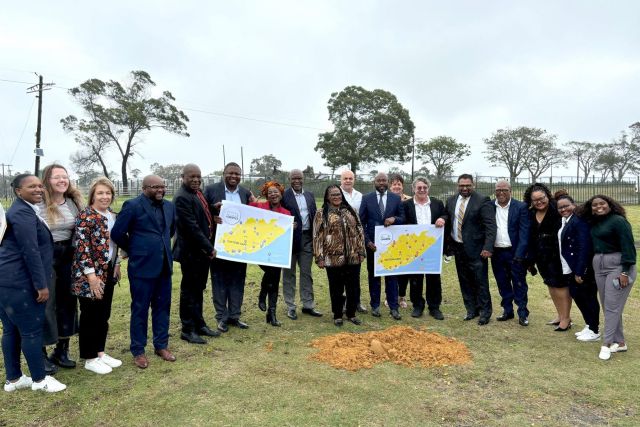
This marks a significant milestone in South Africa's efforts to build a sustainable transport network that contributes to climate emission reduction.
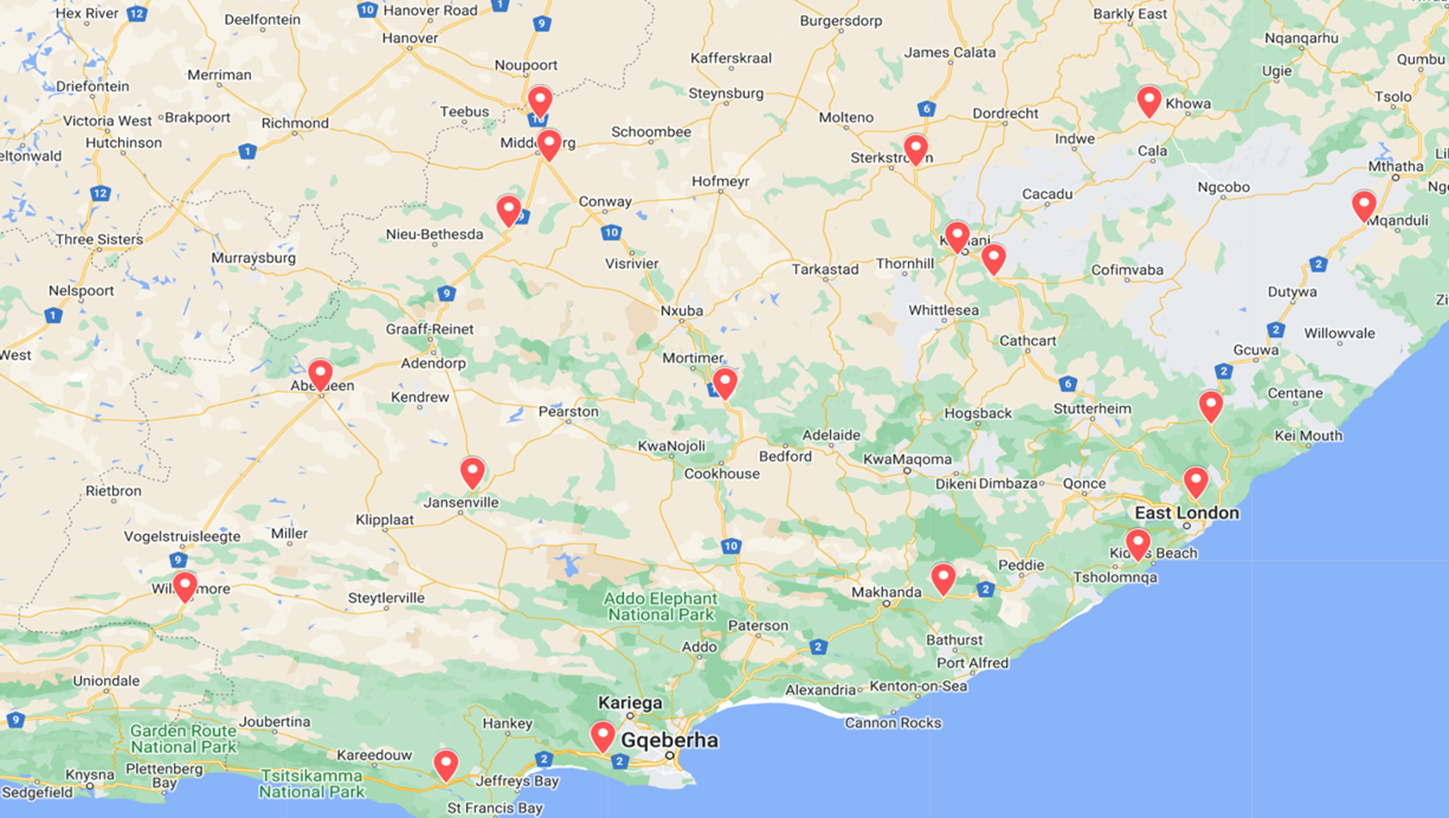
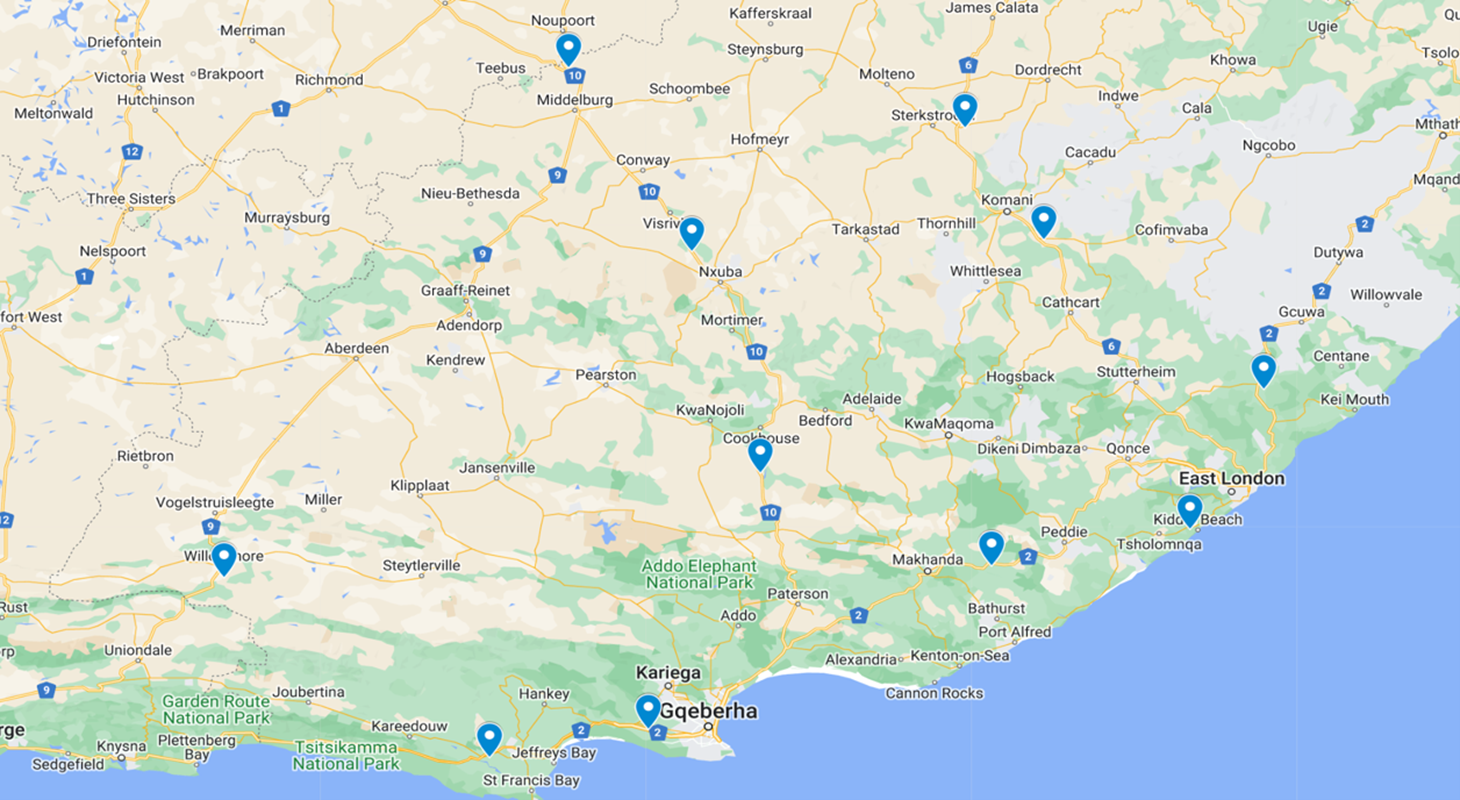
The network in the Eastern Cape will consist of 29 sites, 18 of which will be dedicated to electric passenger and light commercial vehicles, while 11 will be for off-grid electric truck charging stations.
Zero Carbon Charge will be investing a total of R11.4 billion in the roll-out of the electric vehicle charging stations in the Eastern Cape. This forms part of its broader project of building a national network of 120 off-grid electric passenger and light commercial vehicle charging stations and 120 electric truck charging stations.
The development of the 11 sites for solar-powered electric truck charging stations will be completed on a route-by-route basis, similar to the launch of the N3 Electric Highway planned between Johannesburg and Durban. Crucially, both electric passenger and light commercial vehicles and electric truck charging sites will be completely independent of Eskom’s predominantly coal-powered grid, which means they will be green and completely loadshedding-proof.
It is envisaged that construction of the charging station at Wagon Wheels Farm Stall on the N6 will start in the first quarter of 2025. It will be one of five other Zero Carbon Charge charging stations in the Eastern Cape that will be rolled out simultaneously.
This marks a significant milestone in South Africa's efforts to build a sustainable transport network that contributes to climate emission reduction.
The network in the Eastern Cape will consist of 29 sites, 18 of which will be dedicated to electric passenger and light commercial vehicles, while 11 will be for off-grid electric truck charging stations.
Zero Carbon Charge will be investing a total of R11.4 billion in the roll-out of the electric vehicle charging stations in the Eastern Cape. This forms part of its broader project of building a national network of 120 off-grid electric passenger and light commercial vehicle charging stations and 120 electric truck charging stations.
The development of the 11 sites for solar-powered electric truck charging stations will be completed on a route-by-route basis, similar to the launch of the N3 Electric Highway planned between Johannesburg and Durban. Crucially, both electric passenger and light commercial vehicles and electric truck charging sites will be completely independent of Eskom’s predominantly coal-powered grid, which means they will be green and completely loadshedding-proof.
It is envisaged that construction of the charging station at Wagon Wheels Farm Stall on the N6 will start in the first quarter of 2025. It will be one of five other Zero Carbon Charge charging stations in the Eastern Cape that will be rolled out simultaneously.
CMS Systems is celebrating 25 years in business, marking a significant milestone for a company that has become a central player in automotive retail technology.
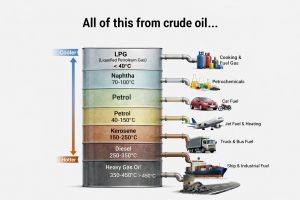
Oil prices jumped on Wednesday after Iran's seizure of container ships in the strait.
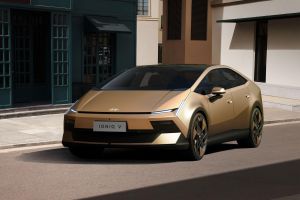
Hyundai Motor is preparing an aggressive comeback in China, unveiling plans to launch 20 new vehicles over the next five years as it tries to rebuild its position in the world’s largest car market.
 Advertisement
Advertisement
Advertisement
I have bad reflexes. I was once run over by a car being pushed by two guys
Woody Allen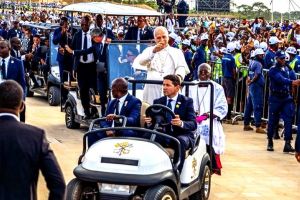
Supporting the Pope on Africa soil in or on vehicles assembled on the continent, is the story of OPAIA Motors.
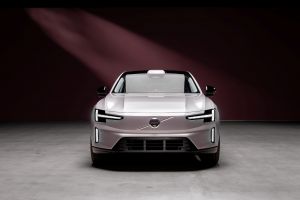
Europe’s shift to electric vehicles (EVs) gathered fresh momentum at the start of 2026, as soaring petrol prices prompted drivers to rethink the cost and security of running petrol and diesel vehicles.
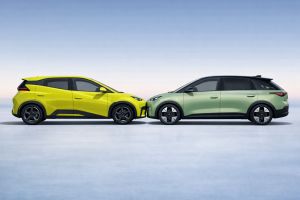
Two years ago, the cheapest mainstream electrical vehicles (EVs) in South Africa were mostly premium products priced well above R700 000.