Leapmotor at Stellantis South Africa announced a partnership agreement with boutique car rental company, Drive Electric, to make premium electric mobility more accessible to local driving consumers.
Share with friends
Drive Electric brands itself as South Africa’s first vehicle rental provider with an exclusively electric vehicle (EV) fleet.
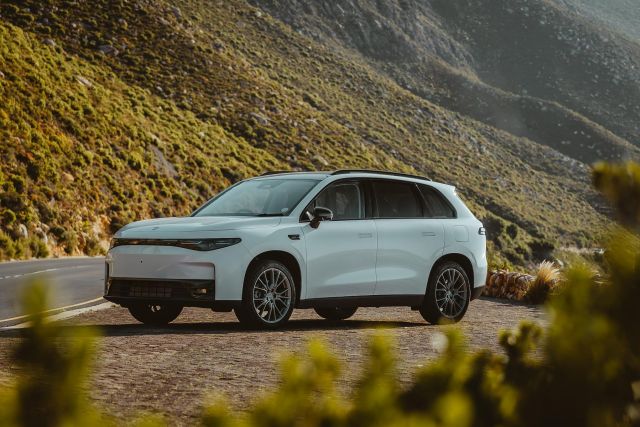
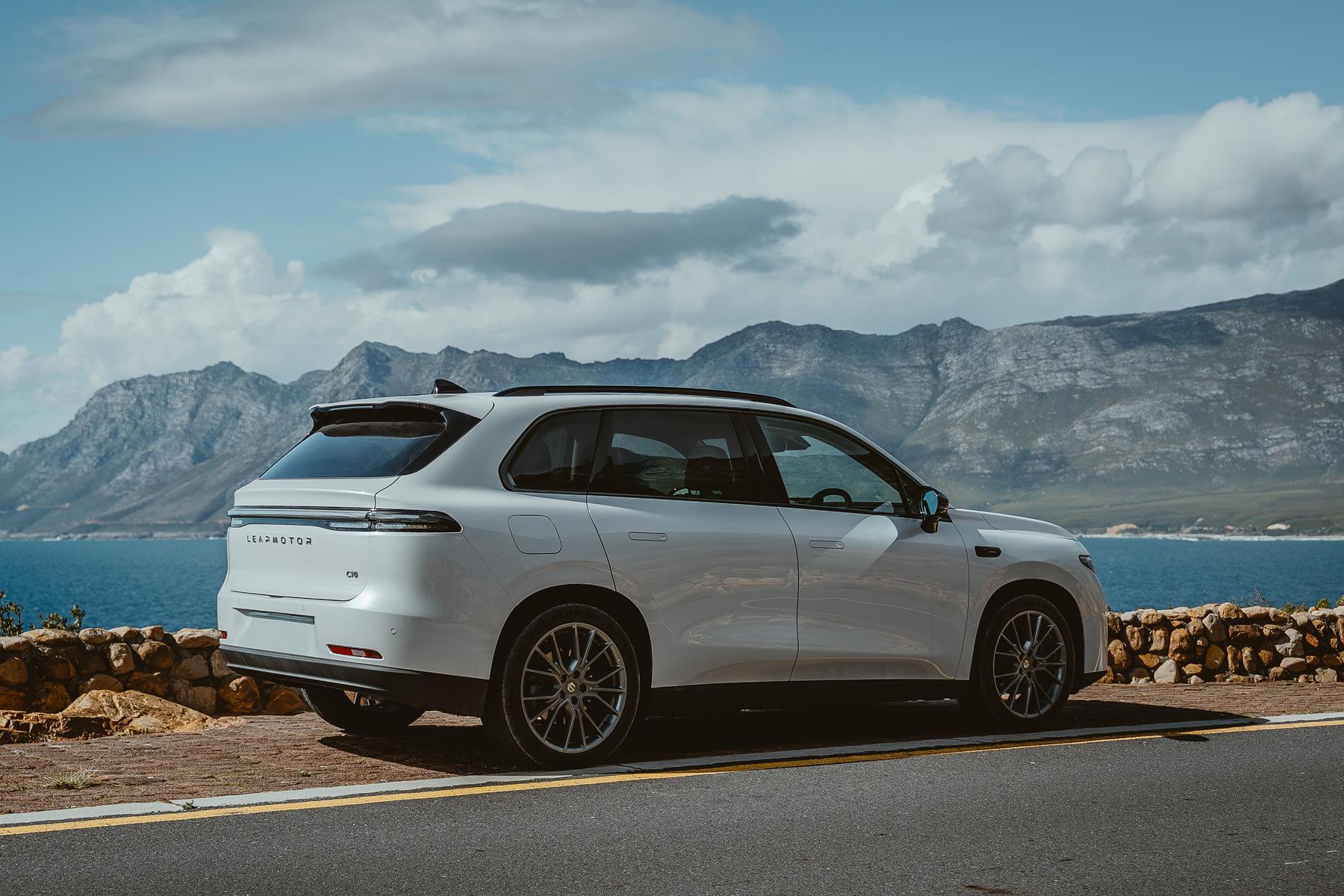
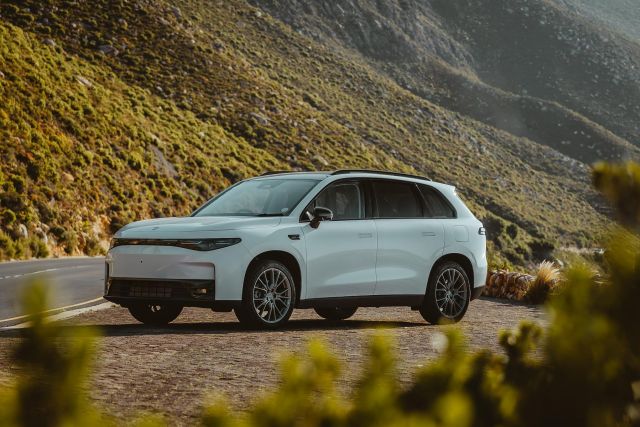
As part of the agreement, Leapmotor will supply Drive Electric with a fleet of Leapmotor C10 REEV (range extender electric vehicle). These vehicles will be added to Drive Electric’s existing electric fleet, strengthening the company’s ability to deliver premium rental, executive transport and chauffeur-driven services built around electric mobility.
“Leapmotor represents a new generation of intelligent electric vehicles that align closely with Drive Electric’s vision of premium, tech-forward mobility,” says Janus Janse van Rensburg, Head of Marketing and Sales for Leapmotor at Stellantis South Africa.
“The C10 REEV is designed around real-world electric use,” Janus says. “It enables full electric commuting while providing the confidence of extended range for longer journeys, supported by advanced technology and a refined interior experience.”
For Drive Electric, the partnership supports its strategy of delivering seamless electric mobility at scale. “We chose to partner with Leapmotor because of their world-renowned innovative mobility solutions, aiming to shape the future of transport and electric mobility,” says Chris O’Connor, Founder and CEO of Drive Electric.
“For premium rental and chauffeur-driven services like ours, reliability, range and passenger experience are critical. The C10 REEV delivers on all three through top-tier comfort, advanced safety and intuitive smart technology,” Chris says.
The Leapmotor C10 REEV operates exclusively as an electric vehicle, driven by an electric motor, while a 1.5-litre Atkinson Cycle petrol engine is used as a generator to maintain battery charge when needed. This enables everyday electric driving while extending the range for longer journeys, without having to search for charging stations along the route.
With an electric-only range suited to daily commuting and a combined range approaching 1 000km with generator assistance, the C10 REEV bridges the gap between full battery electric vehicles and conventional hybrids. Fast DC charging enables rapid top-ups, while AC charging supports convenient overnight charging.
Inside, the Leapmotor C10 REEV offers a spacious five-seat cabin designed around comfort, connectivity and refinement. High-quality materials, power-adjustable seating and advanced climate control contribute to a calm and comfortable environment.
The digital cockpit features a large central infotainment display, intuitive smart controls and over-the-air software updates, making sure the vehicle stays current throughout its life. There’s also a comprehensive suite of advanced safety and driver assistance systems to support confident and relaxed driving.
The Leapmotor C10 REEV is integrated into the Drive Electric rental platform (www.driveelectric.co.za) and will soon be available to customers in Johannesburg and Cape Town.
Toyota South Africa Motors (TSAM) is set to make history with a series of Guinness World Records attempts, bringing Hilux owners together from across the country in a bold, large-scale celebration of the all-new 9th generation Toyota Hilux.
To be named the overall Hyundai Dealer of the Year is not something that simply happens. It is the result of hard work, dedication, looking after your staff and customers, and maintaining a clear focus on your goal. That goal is to be the best.
Chery is intensifying its European expansion by exploring partnerships that would allow the company to utilise existing automotive factories rather than constructing new ones.
BYD and Tesla, two giants of the electric vehicle industry, are navigating diverging challenges. BYD faces mounting competition in China and questions over its pricing strategy, while Tesla grapples with fading incentives and unsold inventory in the United States.
Volvo has commenced on-road testing of heavy trucks powered by hydrogen combustion engines. This pioneering solution places Volvo at the forefront of the industry, with commercial launch planned before 2030.
While rising fuel prices often trigger spikes in interest around electric vehicles, Volvo Car South Africa believes the real reasons South Africans are starting to consider EVs go far beyond the petrol pump.