
Funky wheels: China’s big drive in South Africa
No, the Chinese are not coming to take over – they are already busy accomplishing it.
- Industry News
- 4 May 2026
Stellantis has announced its decision to discontinue its hydrogen fuel cell technology development programme.
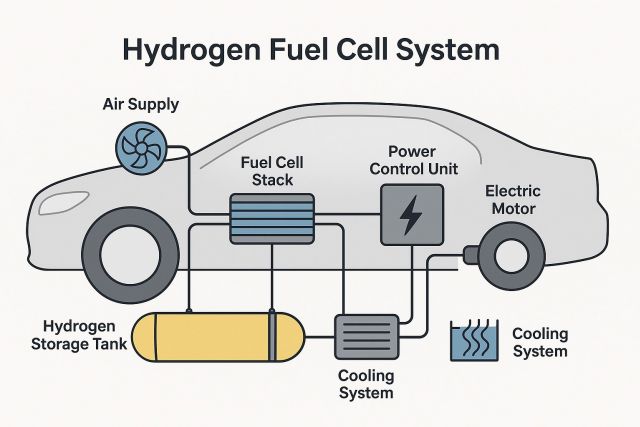
Owing to the limited availability of hydrogen refuelling infrastructure, high capital requirements, and the need for stronger consumer purchasing incentives, the Company does not anticipate the adoption of hydrogen-powered light commercial vehicles before the end of the decade.
As a result, Stellantis will no longer launch its new range of hydrogen-powered Pro One vehicles this year. Serial production was scheduled to start this summer in Hordain, France (medium-sized vans) and Gliwice, Poland (large vans).
“In a context where the Company is mobilising to respond to demanding CO2 regulations in Europe, Stellantis has decided to discontinue its hydrogen fuel cell technology development programme,” explains Jean-Philippe Imparato, Chief Operating Officer for Enlarged Europe.
“The hydrogen market remains a niche segment, with no prospects of mid-term economic sustainability. We must make clear and responsible choices to ensure our competitiveness and meet the expectations of our customers with our electric and hybrid passenger and light commercial vehicles’ offensive.”
This decision will not impact staffing at Stellantis’s production sites. R&D activities related to hydrogen technology will be redirected to other projects.
The current state of the hydrogen segment also presents financial challenges for various stakeholders. In this context, Stellantis has initiated discussions with the shareholders of Symbio to evaluate the current market consequences and to preserve the best interests of Symbio, in line with their respective obligations.
No, the Chinese are not coming to take over – they are already busy accomplishing it.

Motorists and households already under pressure will have to dig deeper into their pockets yet again from Wednesday, with sharp fuel and energy price hikes taking effect across South Africa.

Marcia Mayaba, Commercial Director at Dunlop Tyres South Africa, has been recognised as the top achiever at the recently held Woman of Stature Awards South Africa.
 Advertisement
 Advertisement
I have bad reflexes. I was once run over by a car being pushed by two guys
Woody Allen
Zero Carbon Charge (CHARGE) welcomes the government’s extension of short term fuel levy relief measures aimed at cushioning consumers from rising fuel prices, but cautions that these interventions do not address the underlying structural challenge facing South Africa’s transport economy.
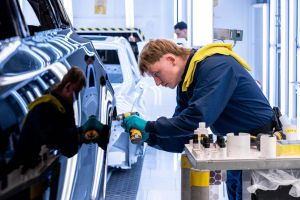
Volvo Cars has started building the fully electric EX60 at its Torslanda factory outside Gothenburg, with first customer deliveries due in early summer.
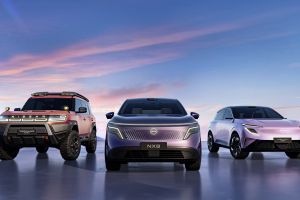
At Auto China 2026, Nissan unveiled two new NEV SUV concept cars, in its accelerated product rollout. It also highlights China’s role as one of the company’s lead markets and a global innovation and export hub, according to Nissan.