
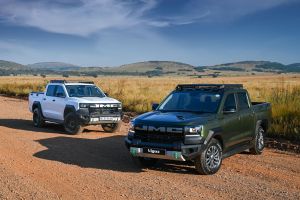
New JMC Vigus will make an impression
Following the official brand re-launch by the Salvador Caetano Group, JMC South Africa announce the arrival of the All-New JMC Vigus.
- Product News
- 17 April 2026
Stellantis has announced its decision to discontinue its hydrogen fuel cell technology development programme.
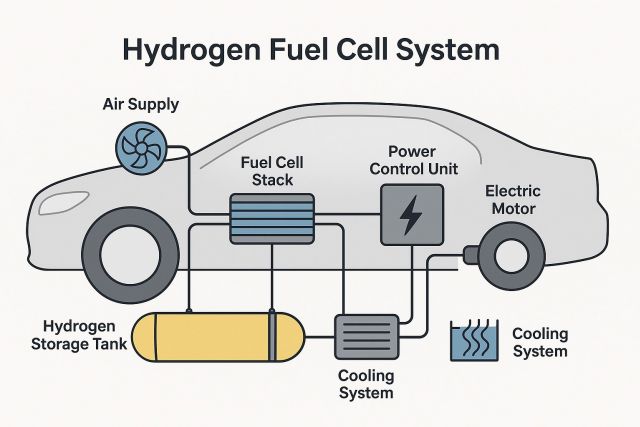
Owing to the limited availability of hydrogen refuelling infrastructure, high capital requirements, and the need for stronger consumer purchasing incentives, the Company does not anticipate the adoption of hydrogen-powered light commercial vehicles before the end of the decade.
As a result, Stellantis will no longer launch its new range of hydrogen-powered Pro One vehicles this year. Serial production was scheduled to start this summer in Hordain, France (medium-sized vans) and Gliwice, Poland (large vans).
“In a context where the Company is mobilising to respond to demanding CO2 regulations in Europe, Stellantis has decided to discontinue its hydrogen fuel cell technology development programme,” explains Jean-Philippe Imparato, Chief Operating Officer for Enlarged Europe.
“The hydrogen market remains a niche segment, with no prospects of mid-term economic sustainability. We must make clear and responsible choices to ensure our competitiveness and meet the expectations of our customers with our electric and hybrid passenger and light commercial vehicles’ offensive.”
This decision will not impact staffing at Stellantis’s production sites. R&D activities related to hydrogen technology will be redirected to other projects.
The current state of the hydrogen segment also presents financial challenges for various stakeholders. In this context, Stellantis has initiated discussions with the shareholders of Symbio to evaluate the current market consequences and to preserve the best interests of Symbio, in line with their respective obligations.
Following the official brand re-launch by the Salvador Caetano Group, JMC South Africa announce the arrival of the All-New JMC Vigus.
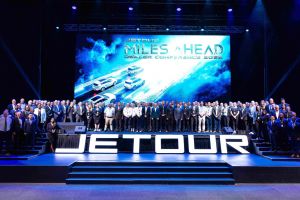
Jetour South Africa hosted its inaugural Dealer of the Year Awards on Tuesday night, bringing together its national dealer network of nearly 60 dealerships.
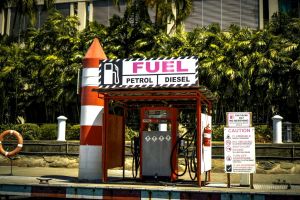
South Africa’s motorists and automotive sector are facing a fresh layer of uncertainty as the Middle East conflict continues to disrupt global oil markets, but for now the country’s fuel supply remains stable even as costs rise.
 Advertisement
 Advertisement
You can't buy happiness but you can buy cars and that's kind of the same thing.
Unknown
Geely Auto has lifted the curtain on a new hybrid technology that it believes can redraw the balance of power in a segment dominated for decades by Japanese brands.
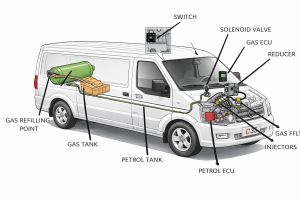
As fuel prices continue to place pressure on South African consumers and businesses, DFSK South Africa has introduced an LPG Autogas conversion solution aimed at reducing operating costs and improving vehicle efficiency across its petrol range.
Toyota Motor Corporation and Isuzu Motors are stepping up plans to bring hydrogen power into Japan’s light‑duty truck market, confirming a jointly developed fuel cell model scheduled for production in the 2027 financial year.