

Springboks score tries in Nissan Navara Pro4X
Two leading Springbok rugby players, Aphelele Fassi and Jordan Hendrikse, have taken delivery of their new Nissan Navara Pro4X bakkies in Durban.
- Industry News
- 12 May 2026
Stellantis, in partnership with Saft (a TotalEnergies subsidiary), has unveiled a groundbreaking prototype vehicle featuring Intelligent Battery Integrated System (IBIS) technology after years of research.

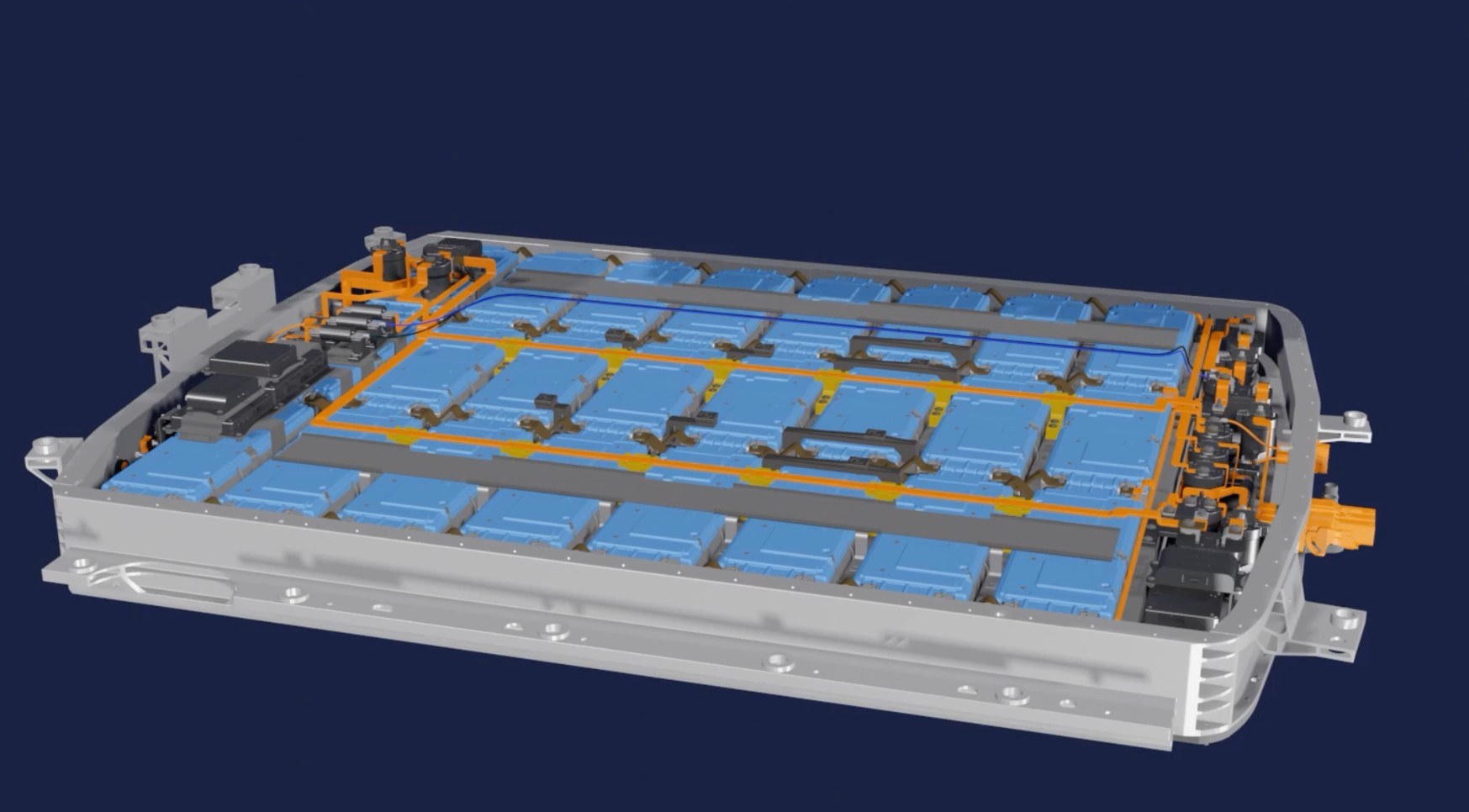
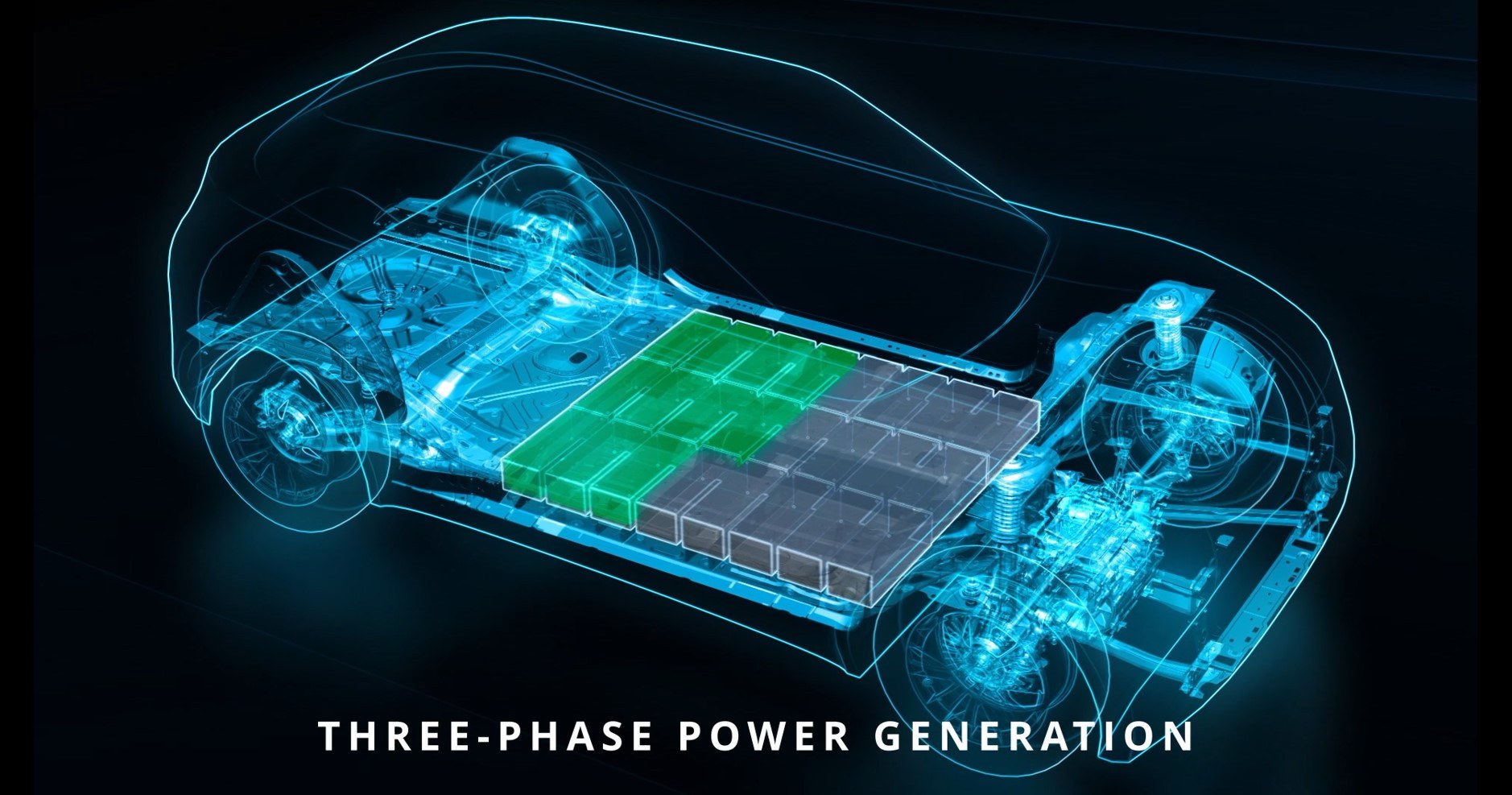
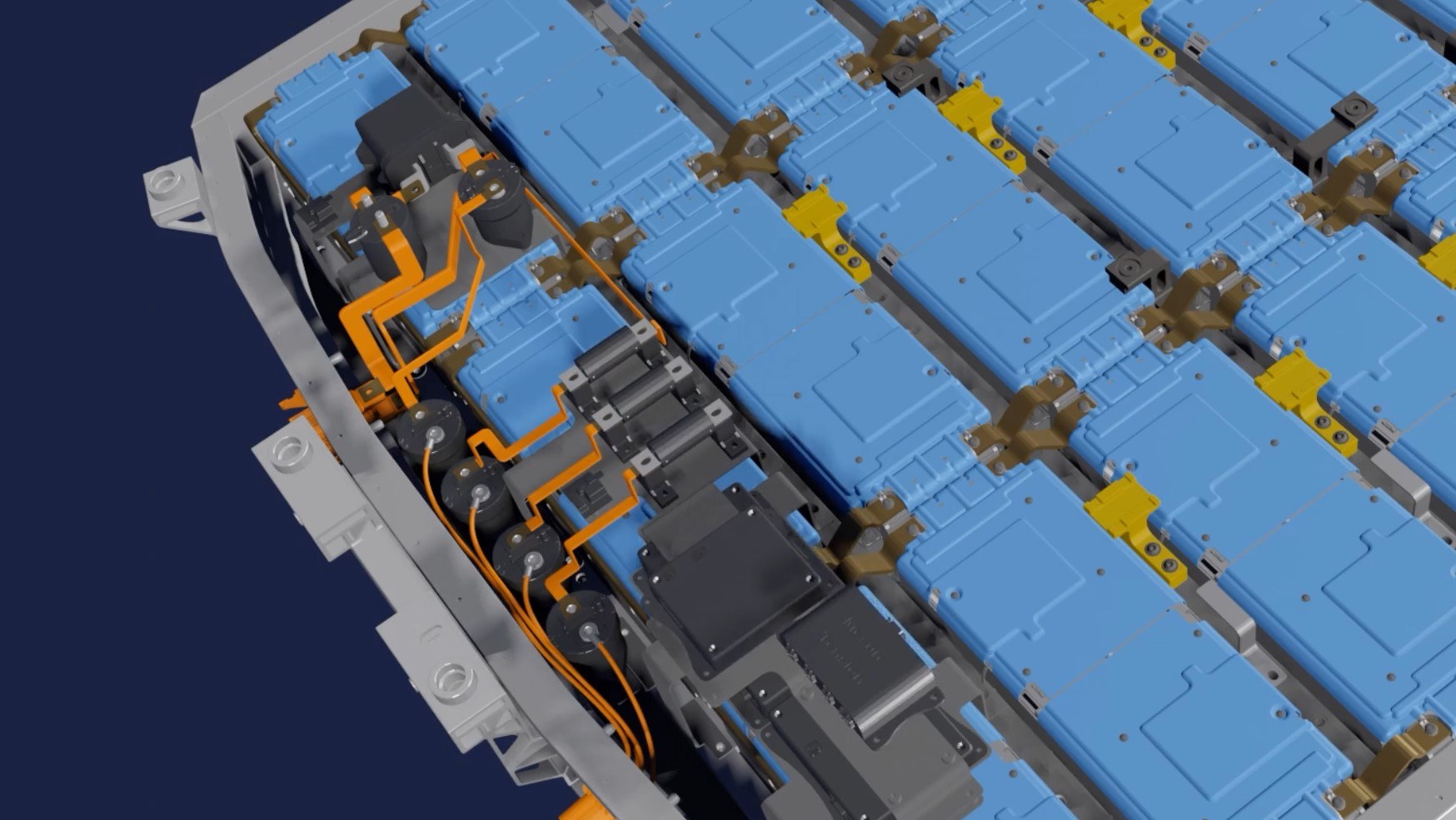
The French-based collaborative research project is aimed at developing a more efficient, sustainable and cost-effective energy storage and electric conversion system. With real-world road testing now underway, this milestone marks a major leap forward in advancing electrification for both mobile and stationary energy applications.
IBIS reimagines the electric powertrain by embedding inverter and charger functionalities directly into the battery, regardless of chemistry or application. This architecture supports both alternating current (AC) and direct current (DC), supplying electric energy directly to the motor or grid, while simultaneously supplying the vehicle’s 12V network and auxiliary systems.
Efficiency and performance: Up to 10% energy efficiency improvement (WLTC cycle) and 15% power gain (172kW vs 150kW) with the same battery size.
Weight and space savings: Reduces vehicle weight by 40kg and frees up to 17 litres of volume, enabling better aerodynamics and design flexibility.
Faster charging: Early results show a 15% reduction in charging time (for example, from 7 to 6 hours on a 7kW AC charger), along with 10% energy savings.
Simplified maintenance: Easier servicing and enhanced potential for second-life battery reuse in both automotive and stationary applications.
IBIS also streamlines maintenance and facilitates the reuse of second-life batteries in stationary automotive applications by reducing the need for extensive reconditioning.
According to Ned Curic, Chief Engineering and Technology Officer at Stellantis, this project confirms their belief that simplification is innovation. “By rethinking and simplifying the electric powertrain architecture, we are making it lighter, more efficient and more cost-effective. These are the kinds of innovations that help us deliver better, more affordable EVs to our customers.”
Hervé Amossé, EVP Energy Storage Systems at Saft, states that the IBIS project is a powerful testament to Saft’s innovative leadership. “By embedding IBIS technology into our next-generation applications, we’re unlocking a new era of intelligent, flexible and sustainable energy solutions. Saft continues to lead the way in advanced research, offering long-term, cost-effective solutions tailored to evolving market needs.”
What is next? Phase 2 of the project will continue to 2030. The focus now shifts to real-world testing under representative driving conditions, which could pave the way for the integration of IBIS technology into Stellantis’s production vehicles by the end of the decade.
Beyond automotive, the IBIS architecture holds promise for a wide range of applications, including rail, aerospace, marine and data centres, underscoring Stellantis and Saft’s commitment to scalable, sustainable electrification.

Two leading Springbok rugby players, Aphelele Fassi and Jordan Hendrikse, have taken delivery of their new Nissan Navara Pro4X bakkies in Durban.

Dealership service departments know the pattern: the moment warranties and service plans expire; a portion of owners quietly migrate to the independent aftermarket.

Mercedes-Benz Vans South Africa announced its top-performing Agents and Dealers for 2025, recognising their exceptional dedication, customer service and commitment to the brand.
 Advertisement
Advertisement
Advertisement
I have bad reflexes. I was once run over by a car being pushed by two guys
Woody Allen
Opel has unveiled a key project under development in its model strategy: a completely new, all-electric SUV in the important and highly competitive C-segment that would extend the current line-up.
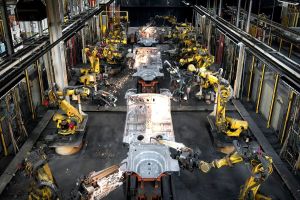
Nissan’s decision to drop a planned $500 million investment in electric vehicle (EV) production at its Canton, Mississippi plant is the latest indication that established manufacturers are reassessing how quickly the market will shift to battery power.

Zero Carbon Charge (CHARGE) welcomes the government’s extension of short term fuel levy relief measures aimed at cushioning consumers from rising fuel prices, but cautions that these interventions do not address the underlying structural challenge facing South Africa’s transport economy.