

New JMC Vigus will make an impression
Following the official brand re-launch by the Salvador Caetano Group, JMC South Africa announce the arrival of the All-New JMC Vigus.
- Product News
- 17 April 2026
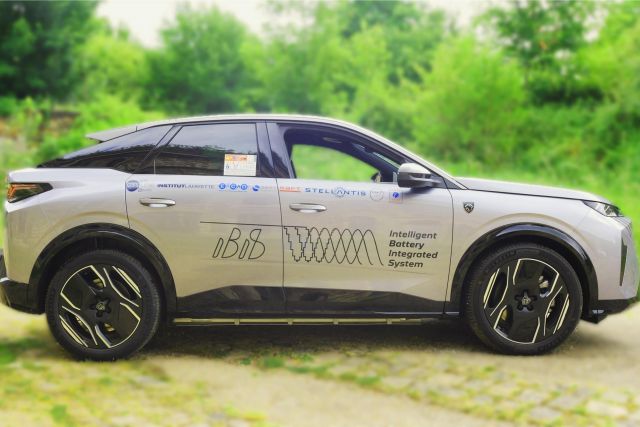
Stellantis, in partnership with Saft (a TotalEnergies subsidiary), has unveiled a groundbreaking prototype vehicle featuring Intelligent Battery Integrated System (IBIS) technology after years of research.
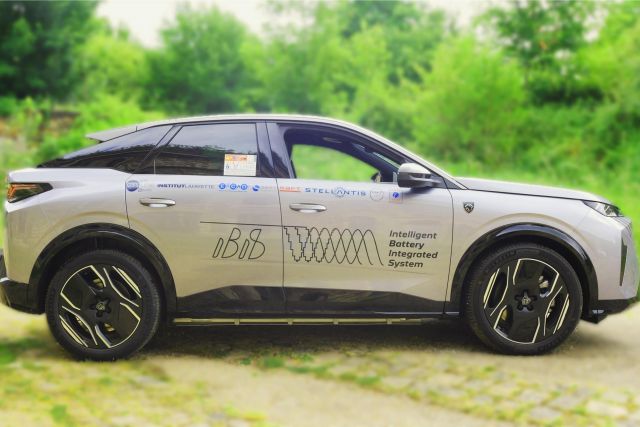
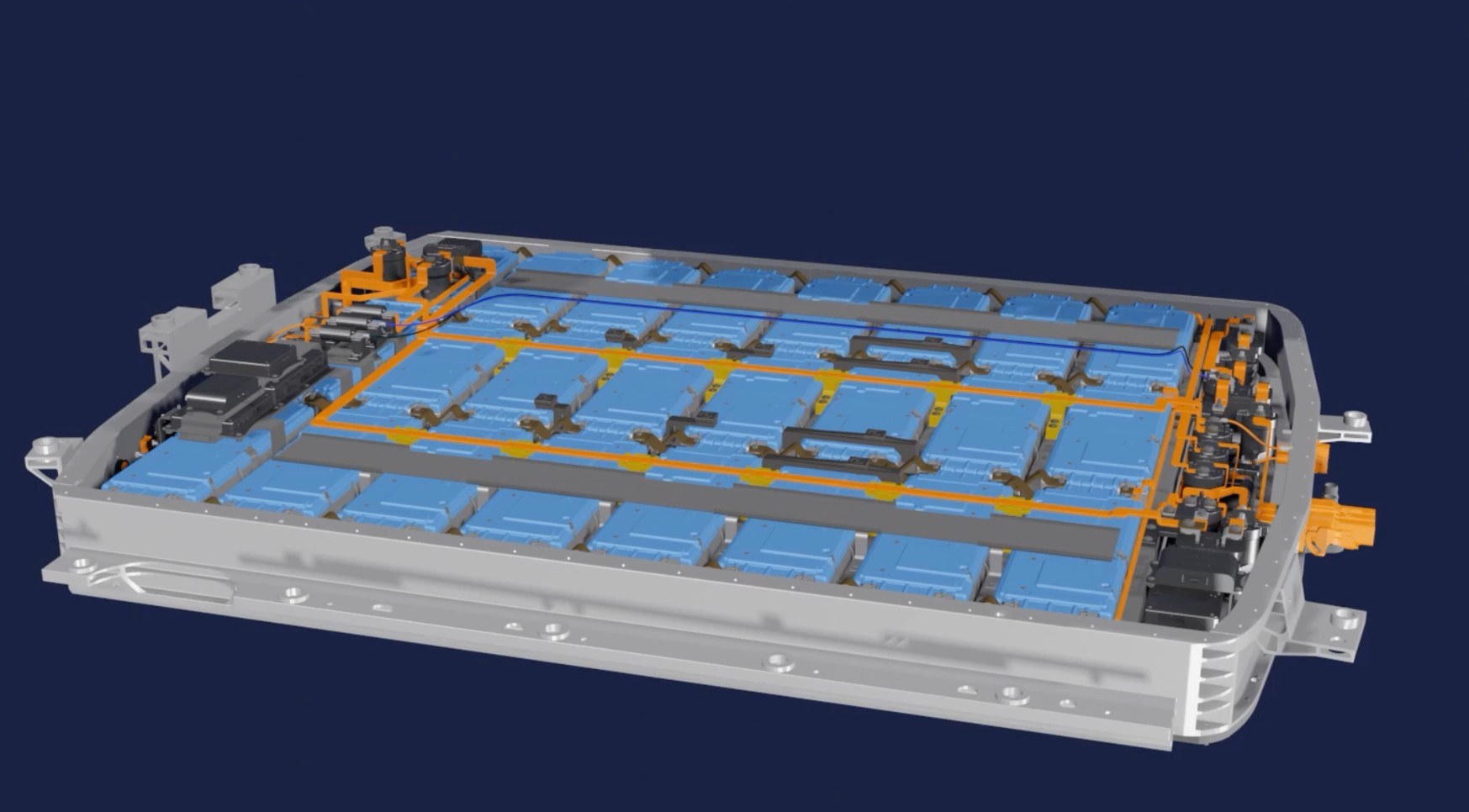
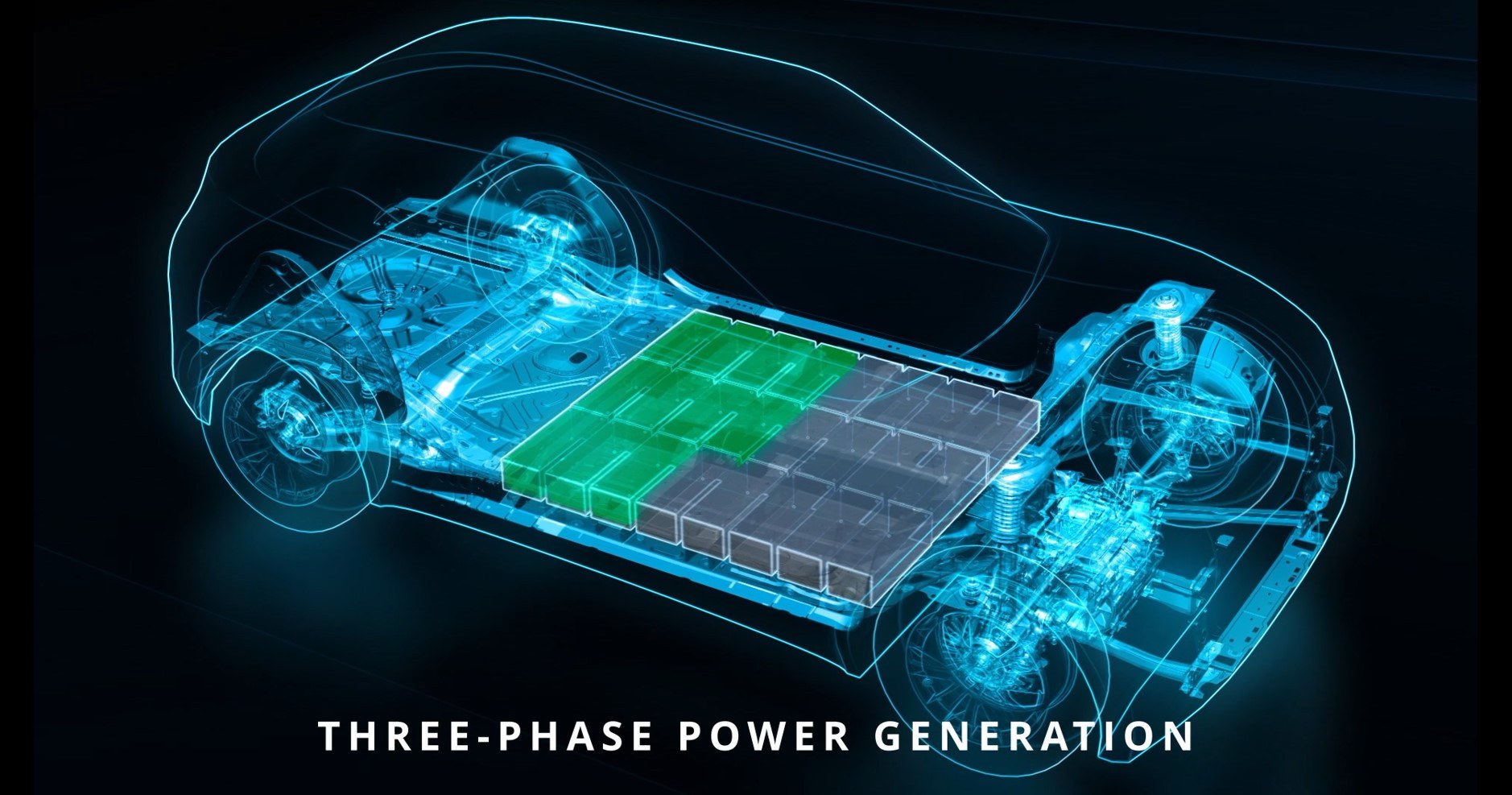
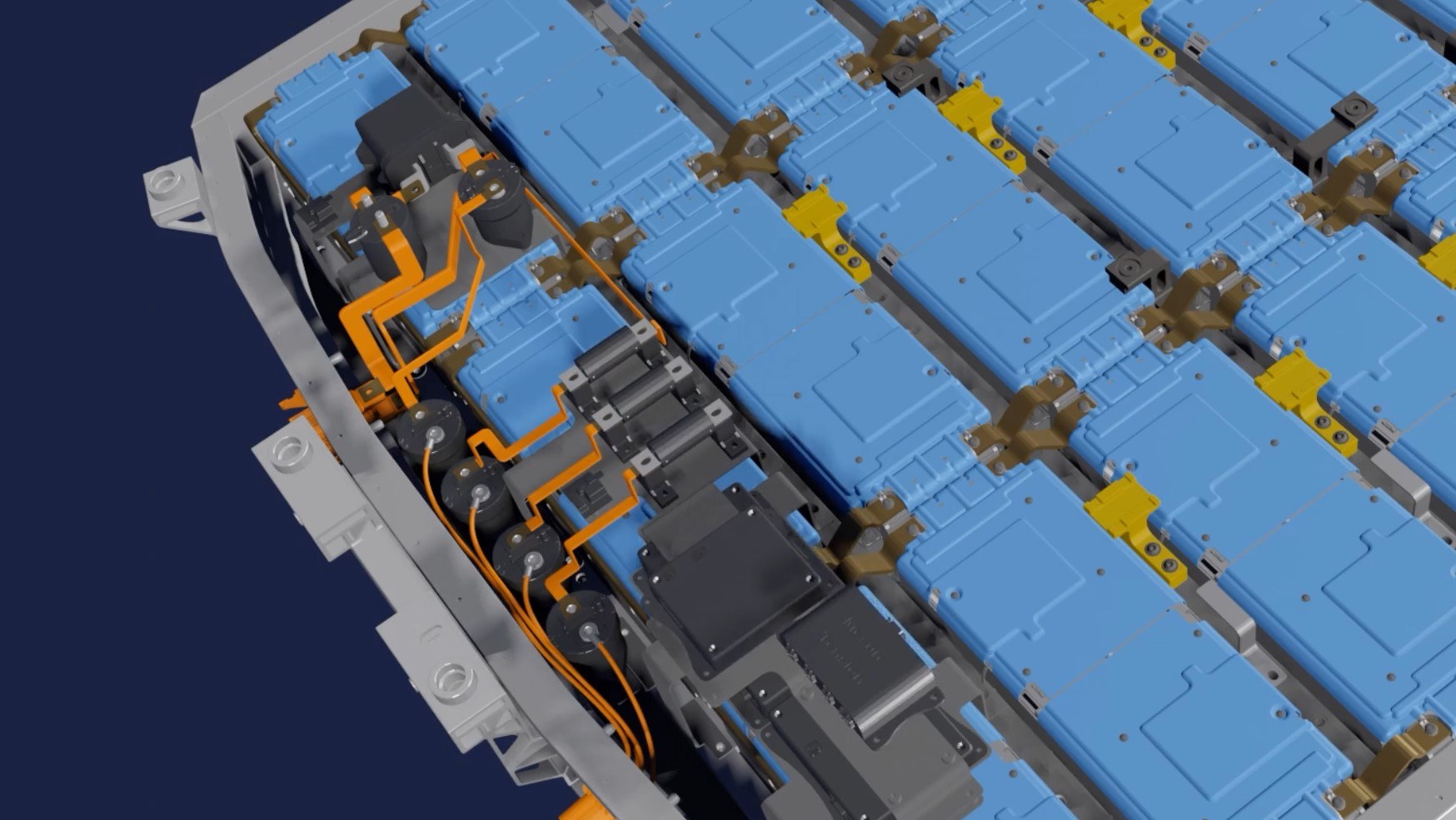
The French-based collaborative research project is aimed at developing a more efficient, sustainable and cost-effective energy storage and electric conversion system. With real-world road testing now underway, this milestone marks a major leap forward in advancing electrification for both mobile and stationary energy applications.
IBIS reimagines the electric powertrain by embedding inverter and charger functionalities directly into the battery, regardless of chemistry or application. This architecture supports both alternating current (AC) and direct current (DC), supplying electric energy directly to the motor or grid, while simultaneously supplying the vehicle’s 12V network and auxiliary systems.
Efficiency and performance: Up to 10% energy efficiency improvement (WLTC cycle) and 15% power gain (172kW vs 150kW) with the same battery size.
Weight and space savings: Reduces vehicle weight by 40kg and frees up to 17 litres of volume, enabling better aerodynamics and design flexibility.
Faster charging: Early results show a 15% reduction in charging time (for example, from 7 to 6 hours on a 7kW AC charger), along with 10% energy savings.
Simplified maintenance: Easier servicing and enhanced potential for second-life battery reuse in both automotive and stationary applications.
IBIS also streamlines maintenance and facilitates the reuse of second-life batteries in stationary automotive applications by reducing the need for extensive reconditioning.
According to Ned Curic, Chief Engineering and Technology Officer at Stellantis, this project confirms their belief that simplification is innovation. “By rethinking and simplifying the electric powertrain architecture, we are making it lighter, more efficient and more cost-effective. These are the kinds of innovations that help us deliver better, more affordable EVs to our customers.”
Hervé Amossé, EVP Energy Storage Systems at Saft, states that the IBIS project is a powerful testament to Saft’s innovative leadership. “By embedding IBIS technology into our next-generation applications, we’re unlocking a new era of intelligent, flexible and sustainable energy solutions. Saft continues to lead the way in advanced research, offering long-term, cost-effective solutions tailored to evolving market needs.”
What is next? Phase 2 of the project will continue to 2030. The focus now shifts to real-world testing under representative driving conditions, which could pave the way for the integration of IBIS technology into Stellantis’s production vehicles by the end of the decade.
Beyond automotive, the IBIS architecture holds promise for a wide range of applications, including rail, aerospace, marine and data centres, underscoring Stellantis and Saft’s commitment to scalable, sustainable electrification.
Following the official brand re-launch by the Salvador Caetano Group, JMC South Africa announce the arrival of the All-New JMC Vigus.

Jetour South Africa hosted its inaugural Dealer of the Year Awards on Tuesday night, bringing together its national dealer network of nearly 60 dealerships.
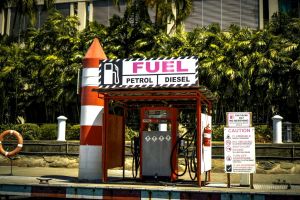
South Africa’s motorists and automotive sector are facing a fresh layer of uncertainty as the Middle East conflict continues to disrupt global oil markets, but for now the country’s fuel supply remains stable even as costs rise.
 Advertisement
 Advertisement
You can't buy happiness but you can buy cars and that's kind of the same thing.
Unknown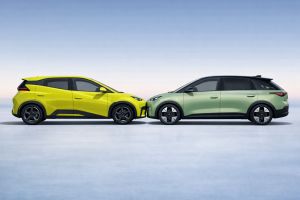
Two years ago, the cheapest mainstream electrical vehicles (EVs) in South Africa were mostly premium products priced well above R700 000.

Geely Auto has lifted the curtain on a new hybrid technology that it believes can redraw the balance of power in a segment dominated for decades by Japanese brands.
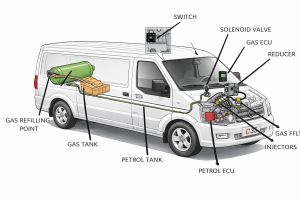
As fuel prices continue to place pressure on South African consumers and businesses, DFSK South Africa has introduced an LPG Autogas conversion solution aimed at reducing operating costs and improving vehicle efficiency across its petrol range.