Despite the sometimes negative criticisms and opinion of South Africa’s relations to the Red Dragon, one can only hope that some of China’s ways in this regard (that is, NEVs) will rub off on the powers that be.
This week, Reuters reported that China unveiled a 520-billion-yuan ($72.3 billion) package to boost sales of electric vehicles (EVs) and other green cars over the next four years to prop up a softening auto demand, sending shares of automakers sharply higher.
The package, widely expected after an earlier government pledge to promote the industry, comes as softening sales in the world's biggest auto market have raised concerns over economic growth, which is losing momentum after a brisk start to the year.
New energy vehicles (NEVs) purchased in 2024 and 2025 will be exempt from purchase tax amounting to as much as 30,000 yuan per vehicle, with the exemption halving for purchases made in 2026 and 2027, the Ministry of Finance said in a statement.
The total tax breaks will amount to 520-billion-yuan, Vice Minister of Finance Xu Hongcai said at a press conference.
The move is an extension of the current policy under which NEVs – which include all-battery electric vehicles (EVs), plug-in petrol-electric hybrids and hydrogen fuel-cell vehicles – are exempt from purchase tax until the end of 2023.
The announcement follows a cabinet meeting during which authorities said they would extend and optimise the tax exemption and study policies to promote NEV development.
The incentives put NEVs, a mainstay of big-ticket spending, on the front burner of a broad-based push to rekindle growth in the world's second-largest economy.
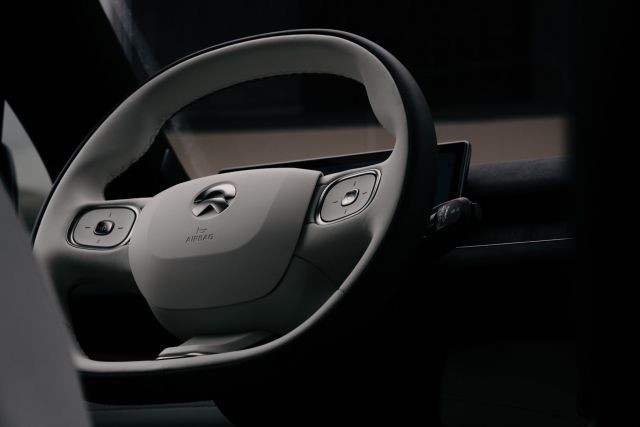
The government heavily promoted NEVs in recent years through incentives that supported the rise of local players such as Li Auto, NIO and BYD.
NEV sales rose 10.5% in May from a month earlier, according to data from the China Passenger Car Association. Sales jumped 60.9% from a year earlier when COVID-19 curbs still roiled auto production and sales.
Wednesday's announcement is the fourth extension. The tax break was announced in 2014 and extended in 2017, 2020 and 2022.