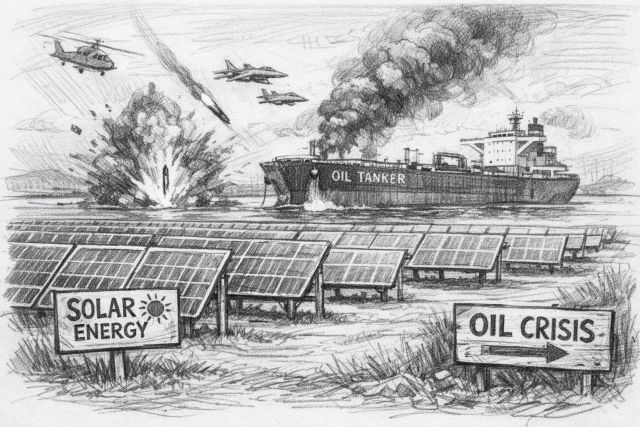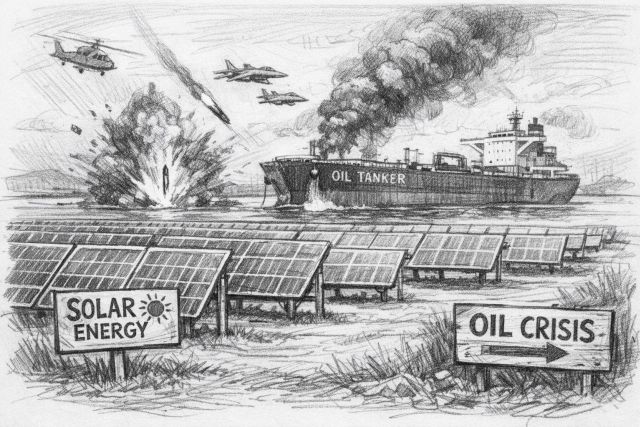
National Treasury has extended the temporary fuel levy reduction of up to R3 per litre for petrol, alongside increased relief for diesel and a phased withdrawal by the end of June 2026. While this provides immediate relief to households and businesses, CHARGE notes that the measures come at a significant fiscal cost and will ultimately be reversed, with levies returning to full levels from July.
“Government’s intervention is necessary and welcome in the short term, but it highlights the reality that South Africans remain exposed to global oil price volatility,” says Joubert Roux, Co-Founder and Chair of CHARGE. “This is not a problem that can be solved through temporary tax relief.”
South Africa currently spends an estimated R300 billion annually on petrol and diesel, much of it tied to imported energy, leaving the economy vulnerable to external shocks. CHARGE emphasises that the only sustainable, long term solution lies in reducing dependence on imported fuel by transitioning to electric mobility powered by locally generated energy.
Using CHARGE’s internal savings model, the cost difference between petrol and electric vehicles is already material and continues to widen over time. Over a typical seven year ownership period, and based on current fuel prices alongside a blended charging approach combining home and public charging, the total cost of ownership trends strongly in favour of electric vehicles.
On average, a petrol hatchback can cost approximately 25 to 30% more over its lifetime when factoring in fuel, maintenance and purchase price. An equivalent electric vehicle benefits from significantly lower running and maintenance costs, resulting in a total cost reduction of roughly 20 to 30%. This translates into meaningful long term savings per vehicle, while also offering greater protection against fuel price volatility, according to CHARGE.
These savings are driven primarily by lower energy costs and reduced maintenance requirements, even under conservative assumptions such as equal purchase prices and rising electricity tariffs.
“As fuel prices rise, the savings gap continues to widen,” Joubert says. “Electric vehicles are not just an environmental choice anymore, they are increasingly the financially rational one.”
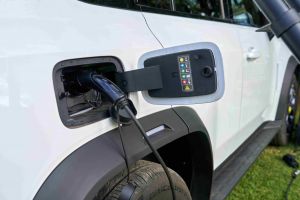
CHARGE believes the current cycle of fuel price shocks followed by temporary relief measures underscores the need for a fundamental shift in how South Africa powers transport. CHARGE is actively enabling this transition through the rollout of a national network of off grid, solar powered EV charging stations, designed to support both electric passenger vehicles and electric trucks.
“We cannot continue to respond to a structural problem with temporary measures,” Joubert says. “If we want to protect the economy from repeated financial shocks, we need to reduce our dependence on imported fuel. That means scaling locally generated renewable energy for transport and doing it with urgency.”