
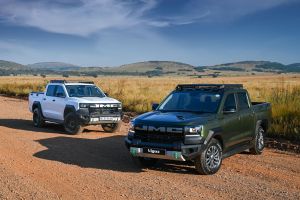
New JMC Vigus will make an impression
Following the official brand re-launch by the Salvador Caetano Group, JMC South Africa announce the arrival of the All-New JMC Vigus.
- Product News
- 17 April 2026
Widespread rains over large parts of South Africa recently led to rivers breaking their banks and, in some cases, flooding streets and homes. The volume of water has raised concerns among agricultural economists over possible damage to crops.
The irony is that despite the rain, South Africa remains a water-stressed country, receiving less than half the global average rainfall and experiencing significant regional variations in water availability. Climate change, including droughts and increasing evaporation, exacerbates the issue, putting pressure on water resources. Poor infrastructure, mismanagement and increasing demand owing to population and economic growth further contribute to the crisis.
It's for these reasons and others that the Ford Motor Company of Southern Africa (Manufacturing) (Pty) Limited (“Ford South Africa”) is boosting its efforts and investment to reduce its water consumption as well as its energy and carbon footprint.
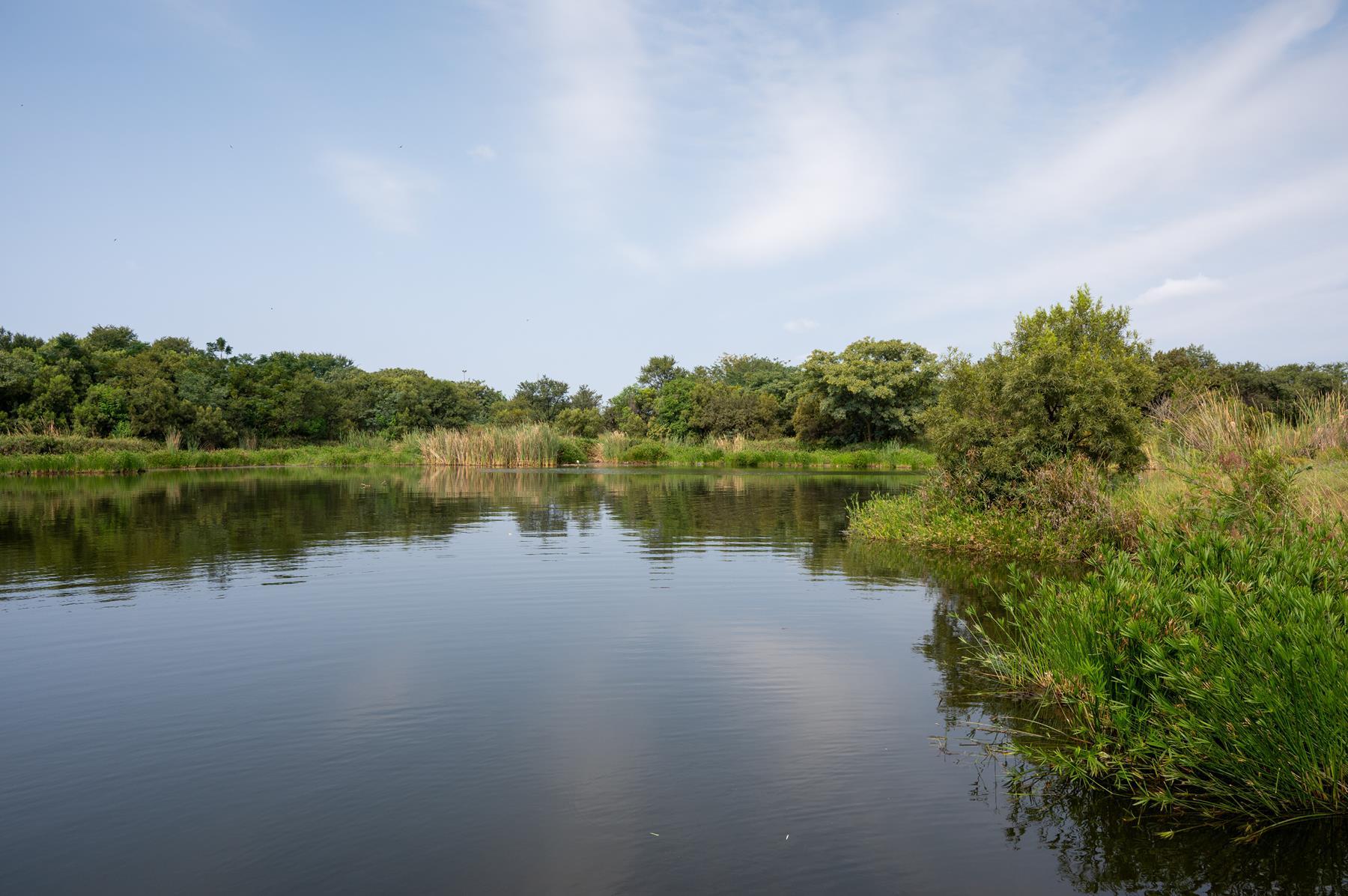
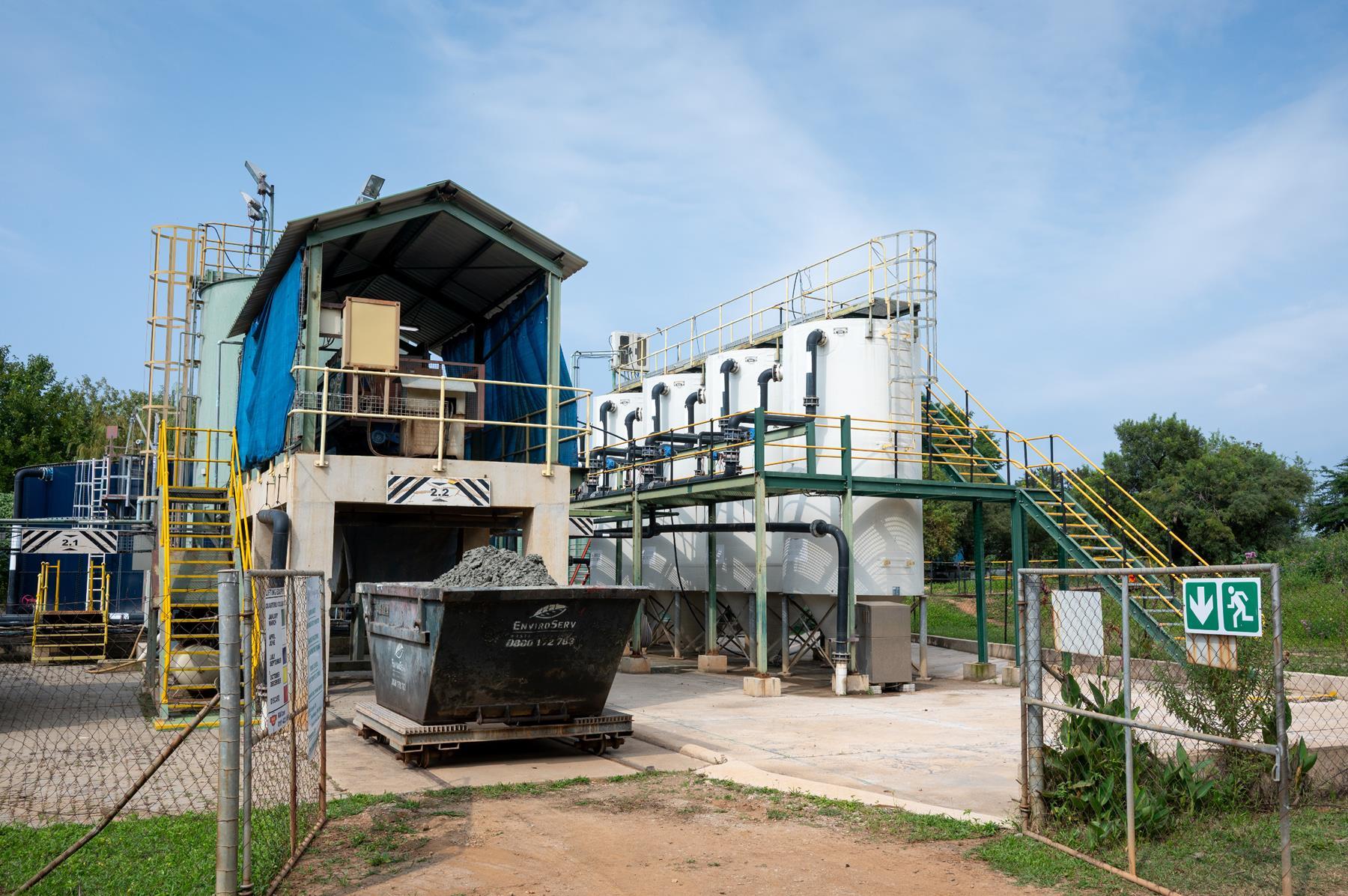
On Earth Day (22 April), Rhys Davies, Operations Director at Ford South Africa discusses the progress being made at the Silverton Manufacturing Plant: “The most recent example is the recycling of effluent in our Silverton plant back into the Paint Shop, where it’s repurposed in a perpetual loop with no wastage, thereby eliminating the need to buy fresh water.
“A lot of South Africans will look out of the windows of their homes, offices and vehicles and assume that the county has as much water as it needs. Unfortunately, the opposite is true. That’s why measures to conserve and reuse water are critically important, and our new water recycling project will save almost 15 million litres of water a year.” Plans are also afoot to replicate the closed-loop, zero-waste cycle of reusing water elsewhere in the plant, Rhys notes.
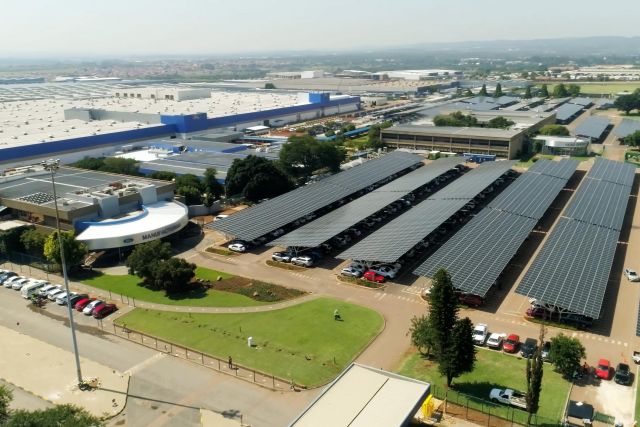
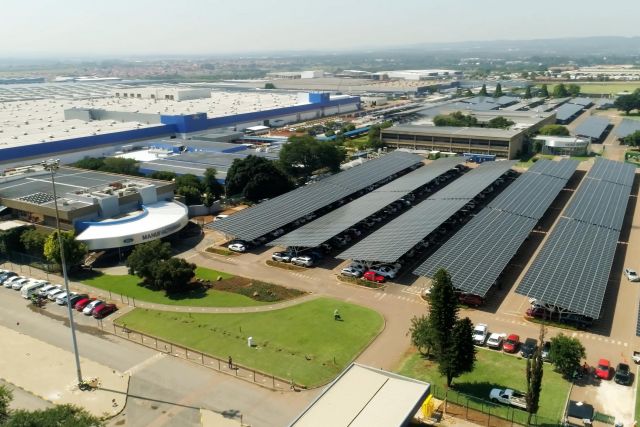
These initiatives are complemented by the plant’s solar carpark, which uses more than 30 000 solar panels to generate 13.4MW of electricity, which is sufficient to power the entire plant during the day. The company is investigating the installation of batteries, as well as other sources of renewable energy to enable it to fully operate independently of the national grid.
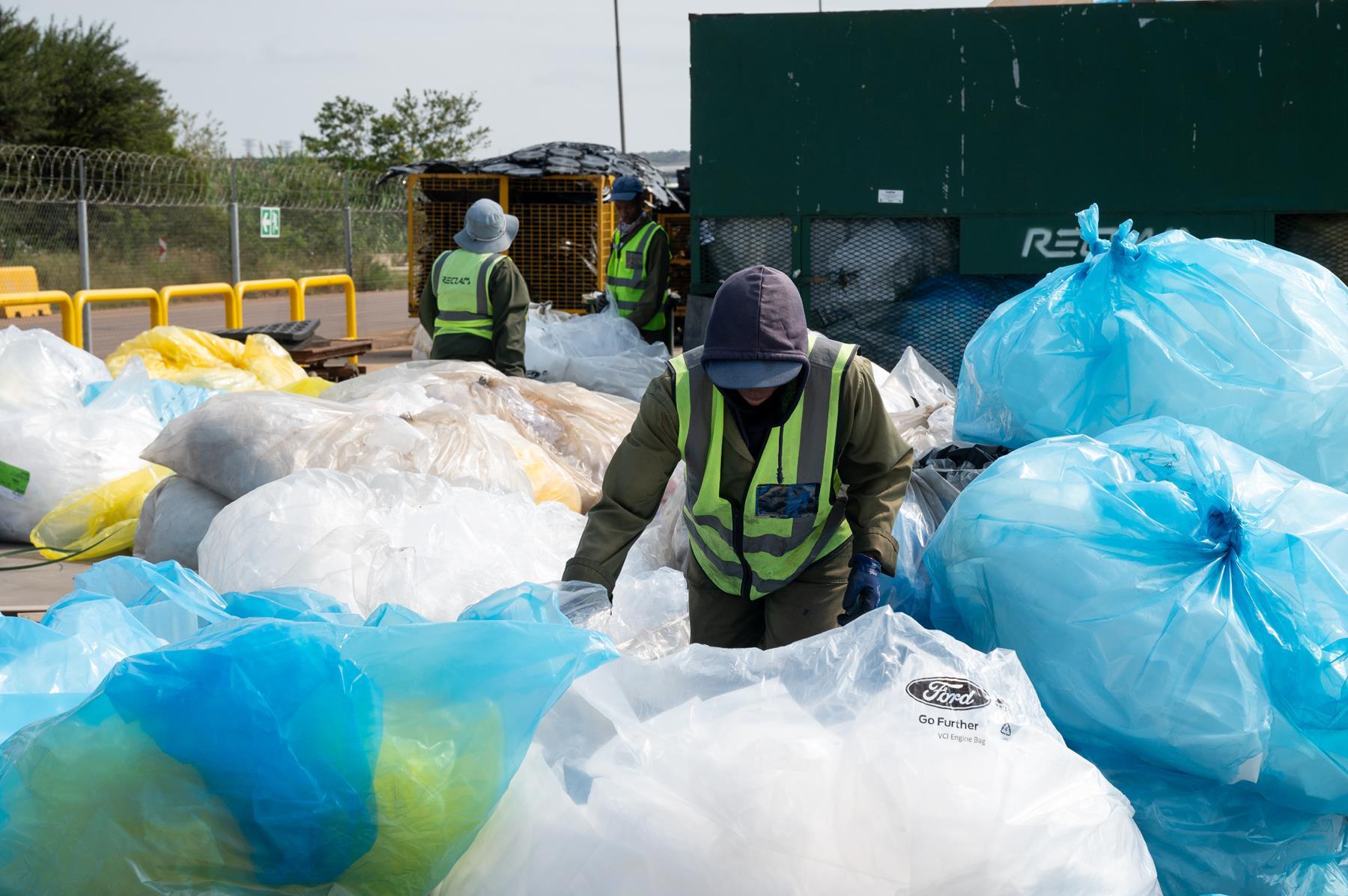
A new scrapyard has been constructed, which increases the amount of cardboard, paper and plastic waste that is sorted on site and recycled, in line with Ford Motor Company’s objective of reaching zero waste to landfill across its global operations. The Silverton plant team continues to investigate other alternatives for its waste to turn this into a sustainable by-product that can benefit both the environment and future business opportunities.


Following the official brand re-launch by the Salvador Caetano Group, JMC South Africa announce the arrival of the All-New JMC Vigus.

Jetour South Africa hosted its inaugural Dealer of the Year Awards on Tuesday night, bringing together its national dealer network of nearly 60 dealerships.
South Africa’s motorists and automotive sector are facing a fresh layer of uncertainty as the Middle East conflict continues to disrupt global oil markets, but for now the country’s fuel supply remains stable even as costs rise.
 Advertisement
 Advertisement
I have bad reflexes. I was once run over by a car being pushed by two guys
Woody Allen
Geely Auto has lifted the curtain on a new hybrid technology that it believes can redraw the balance of power in a segment dominated for decades by Japanese brands.
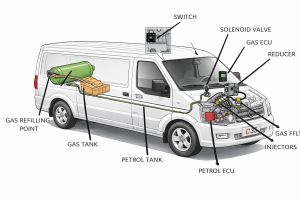
As fuel prices continue to place pressure on South African consumers and businesses, DFSK South Africa has introduced an LPG Autogas conversion solution aimed at reducing operating costs and improving vehicle efficiency across its petrol range.

Toyota Motor Corporation and Isuzu Motors are stepping up plans to bring hydrogen power into Japan’s light‑duty truck market, confirming a jointly developed fuel cell model scheduled for production in the 2027 financial year.