

Springboks score tries in Nissan Navara Pro4X
Two leading Springbok rugby players, Aphelele Fassi and Jordan Hendrikse, have taken delivery of their new Nissan Navara Pro4X bakkies in Durban.
- Industry News
- 12 May 2026
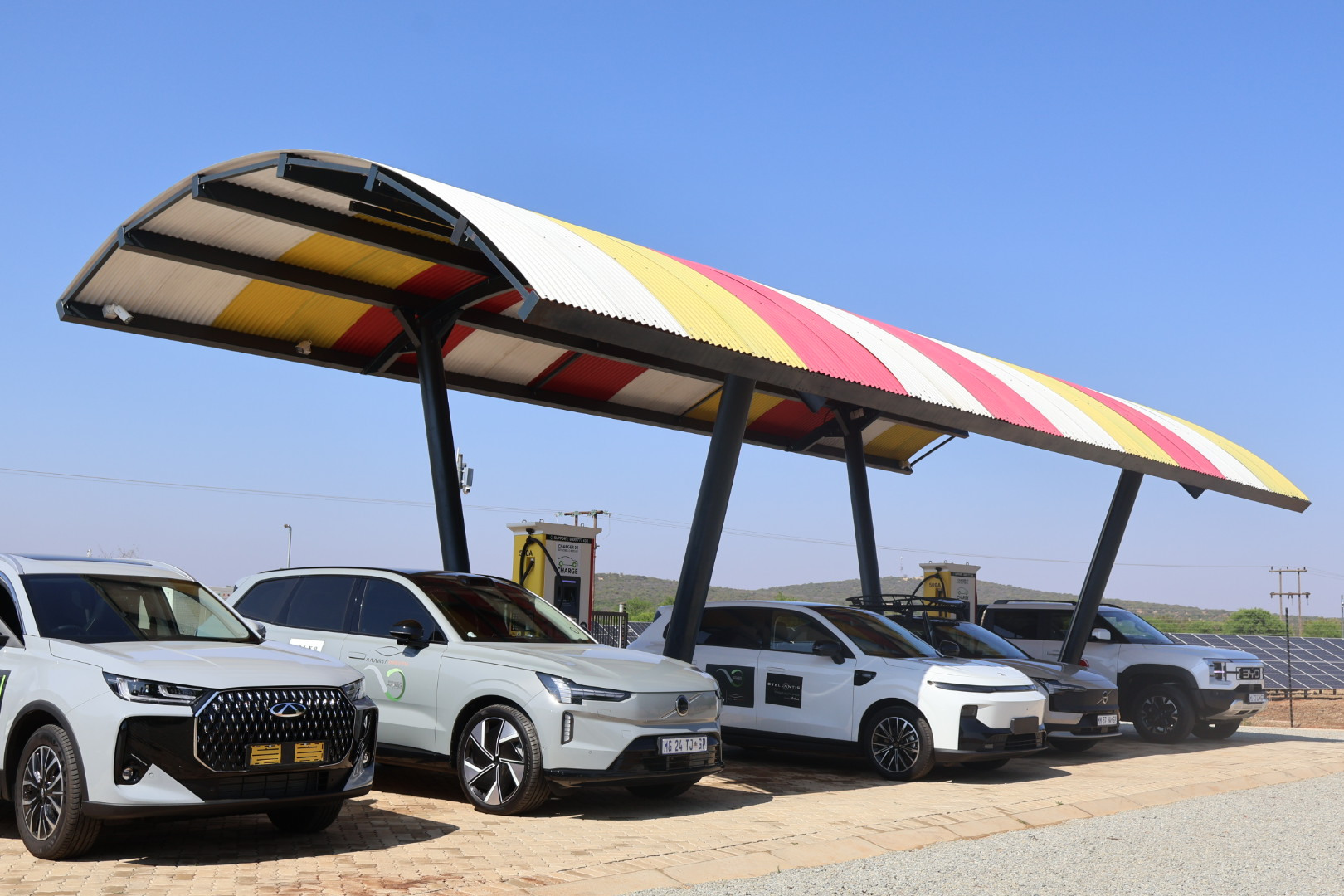
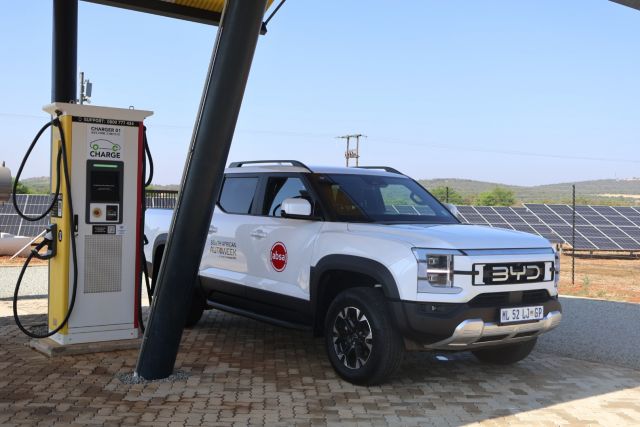
Zero Carbon Charge (CHARGE) hosted the Naamsa New Energy Vehicle (NEV) Road Trip 2025 at its flagship, self-funded, off-grid, solar-powered ultra-fast EV-charging station.
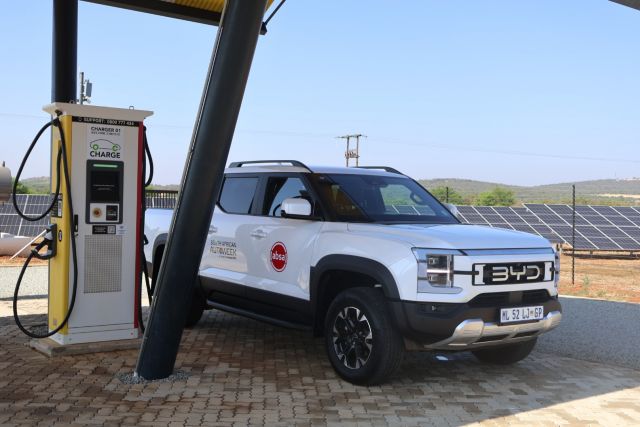
The event marked a significant milestone, both for CHARGE and for the future of clean transport in South Africa.
Joubert Roux, founder and executive chairman of CHARGE, welcomed the recognition, saying: “We welcome the acknowledgement from naamsa to officially recognise CHARGE, South Africa’s first and only fully off-grid, solar-powered EV-charging station, as a charging destination during this awareness road trip. This was the first visit from naamsa, and we welcome many more.”
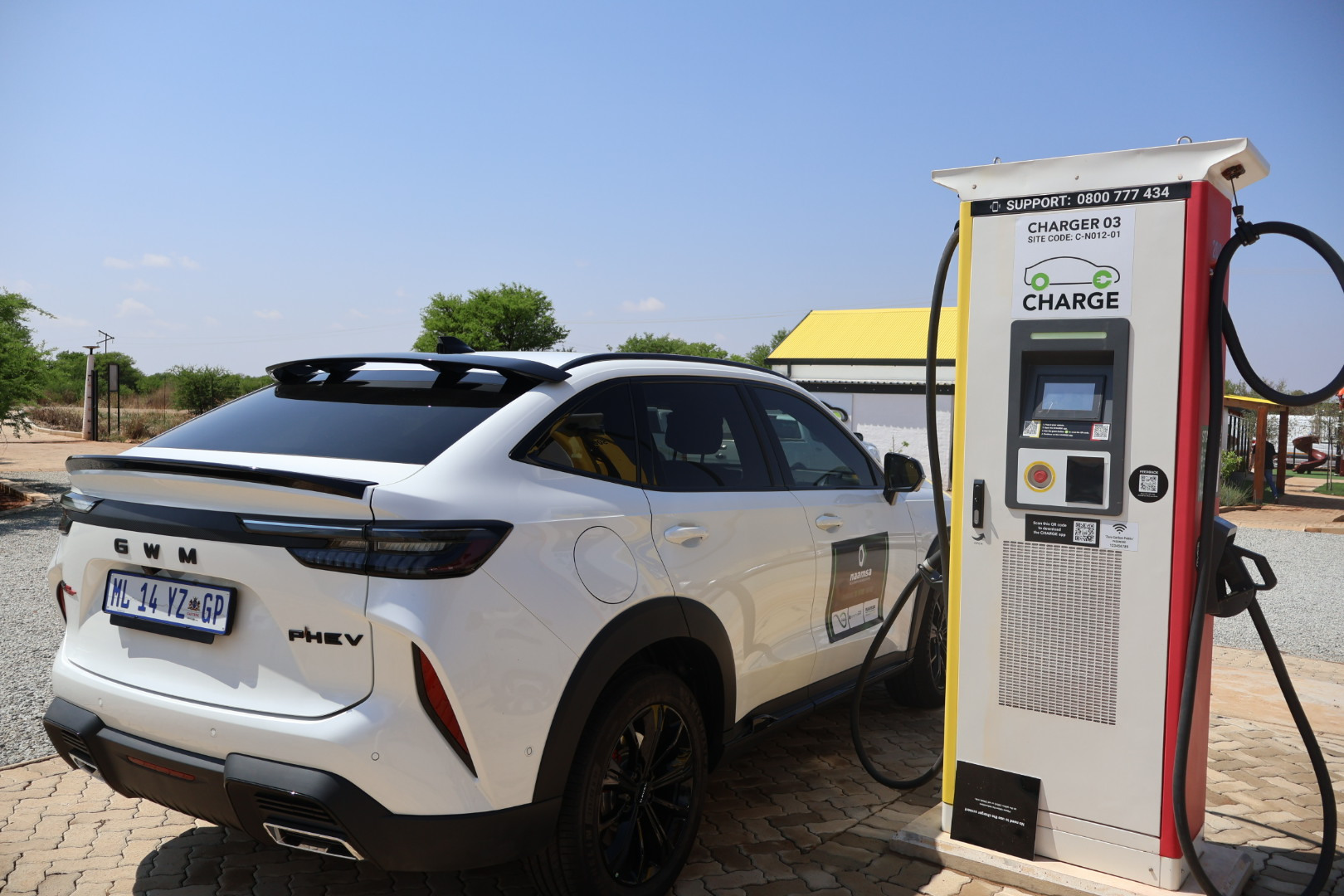
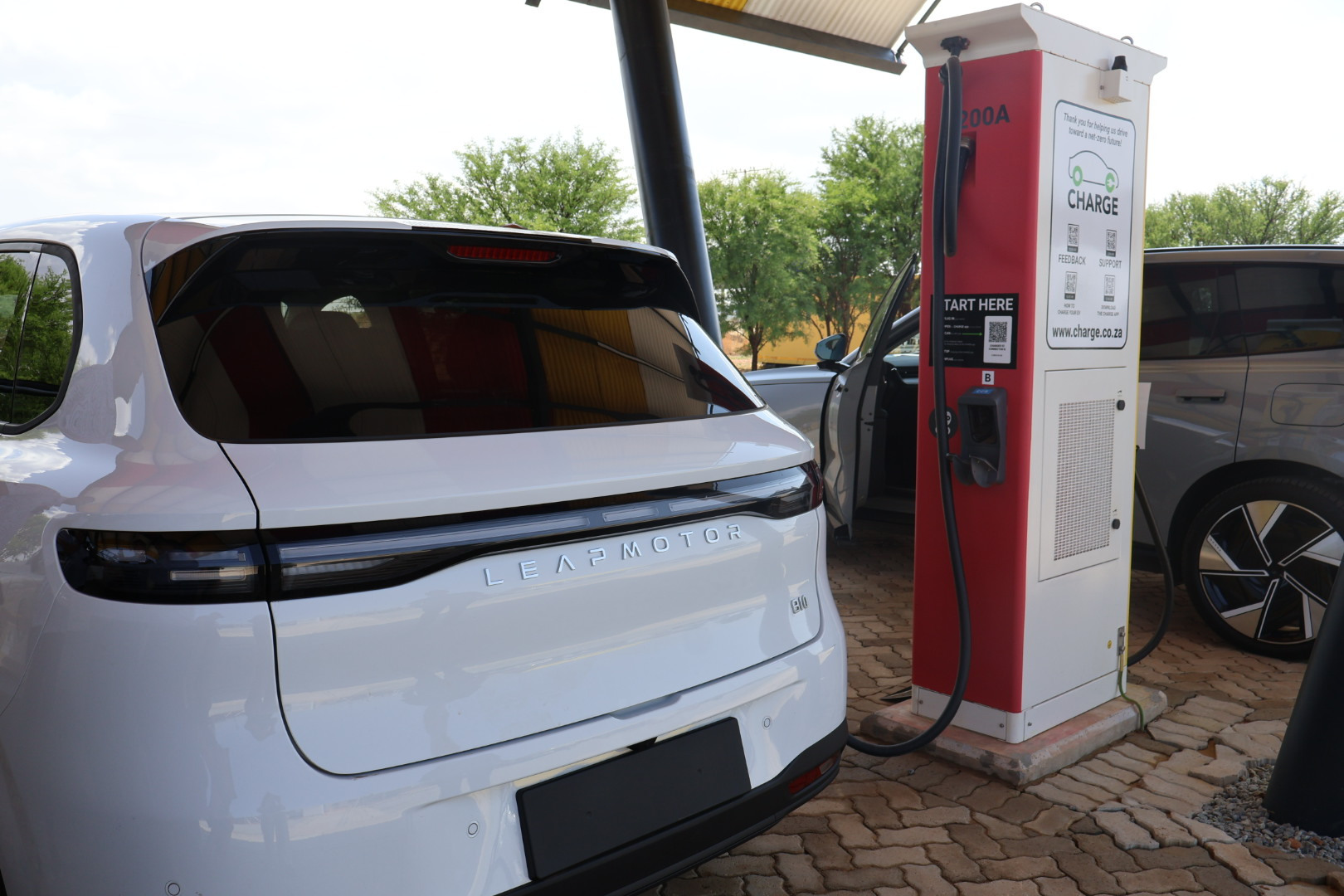
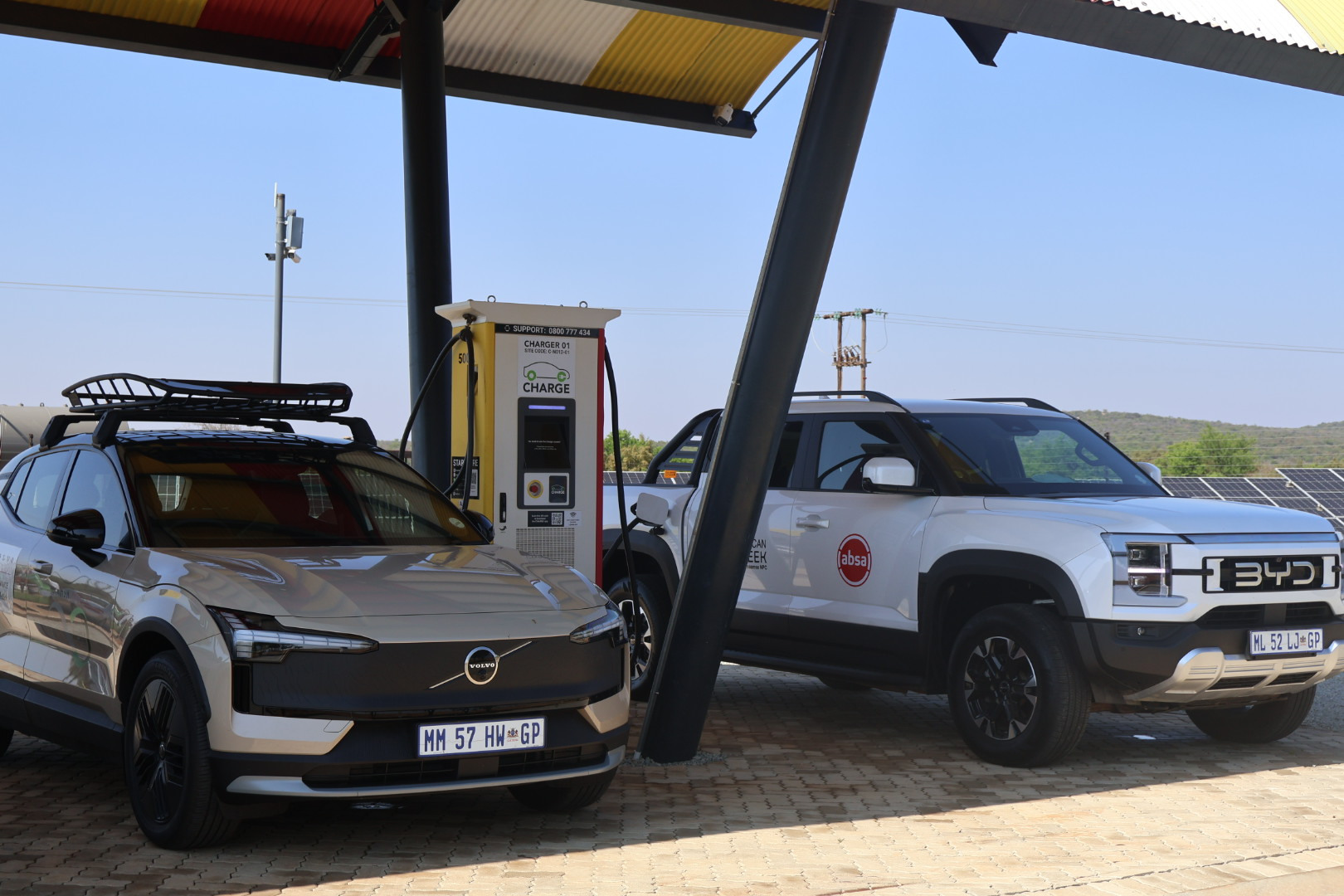
To celebrate the occasion, CHARGE offered free charging to all participants, thanking them for their role in raising awareness of New Energy Vehicles nationwide. This gesture also allowed CHARGE to demonstrate the strength of its technology. Almost a year after the official opening of the site, the CHARGE station successfully charged six NEVs simultaneously, making full use of its three 480kW chargers and six DC dispensers.
The line-up of vehicles reflected the growing diversity of the NEV market, with models such as the Volvo EX90, Volvo EX30 Cross Country, BMW Mini SE, Leap Motor B10 BEV, Chery Tiggo 7 PHEV, BYD Shark, GWM H6 GT PHEV, and Lexus NX450+ all charging side by side.
Accenture, which is a Premium Associate Member of naamsa and co-organiser of the NEV road trip ahead of the SA Autoweek conference held in Gqeberha on 30 September until 3 October 2025, was represented by Greg Cress, Principal Director of Automotive and eMobility.
Greg described CHARGE’s achievement as a glimpse into South Africa’s EV future: “What’s amazing is that the charging of 6 NEVs is powered by clean energy, directly from solar panels, not even touching Eskom’s power. This is really the future of EV driving in South Africa using renewable energy to charge, and Zero Carbon Charge is the first to be able to do this, with 120 more stations planned for South Africa.”
Reflecting on the moment, Joubert added: “It is an extremely illustrious milestone, a year after our opening, to see 6 NEVs charging simultaneously, without a hitch, powered only by PV solar. This proves that the future of EV charging lies in micro-grids – the only truly future-proof way to deliver reliable clean energy for mobility.”
Looking ahead, CHARGE is preparing to expand its network. With the N3 and N1 national highway charging stations set to begin development following the finalisation of the Development Bank of Southern Africa (DBSA) financing, CHARGE is ready to welcome NEV drivers nationwide to the future of off-grid, renewable-powered charging.
Two leading Springbok rugby players, Aphelele Fassi and Jordan Hendrikse, have taken delivery of their new Nissan Navara Pro4X bakkies in Durban.
Dealership service departments know the pattern: the moment warranties and service plans expire; a portion of owners quietly migrate to the independent aftermarket.

Mercedes-Benz Vans South Africa announced its top-performing Agents and Dealers for 2025, recognising their exceptional dedication, customer service and commitment to the brand.
 Advertisement
 Advertisement
I have bad reflexes. I was once run over by a car being pushed by two guys
Woody Allen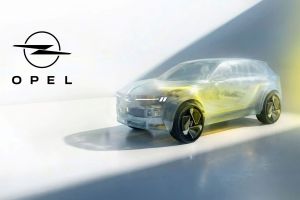
Opel has unveiled a key project under development in its model strategy: a completely new, all-electric SUV in the important and highly competitive C-segment that would extend the current line-up.
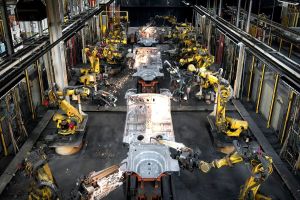
Nissan’s decision to drop a planned $500 million investment in electric vehicle (EV) production at its Canton, Mississippi plant is the latest indication that established manufacturers are reassessing how quickly the market will shift to battery power.
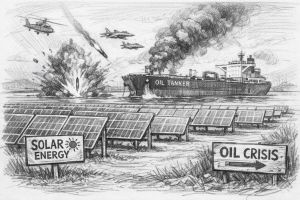
Zero Carbon Charge (CHARGE) welcomes the government’s extension of short term fuel levy relief measures aimed at cushioning consumers from rising fuel prices, but cautions that these interventions do not address the underlying structural challenge facing South Africa’s transport economy.