
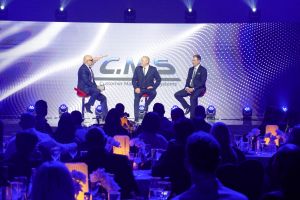
CMS Systems marks 25 years in automotive retail technology
CMS Systems is celebrating 25 years in business, marking a significant milestone for a company that has become a central player in automotive retail technology.
- Industry News
- 24 April 2026
In a dramatic departure from bulky rooftop solar panels, Mercedes-Benz has engineered an almost impossibly thin photovoltaic coating that blankets entire vehicle surfaces, potentially adding thousands of kilometres to electric vehicles’ range annually without compromising design aesthetics.
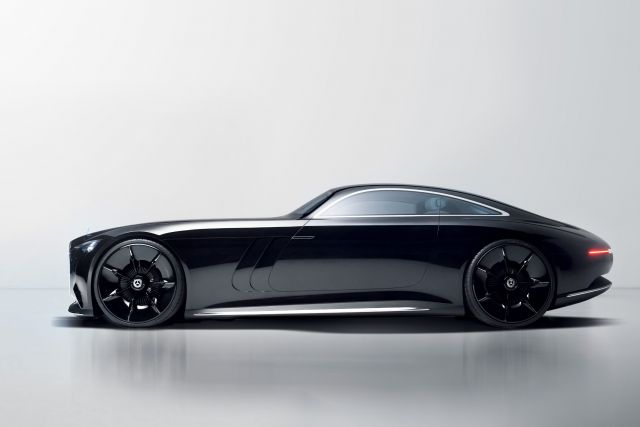
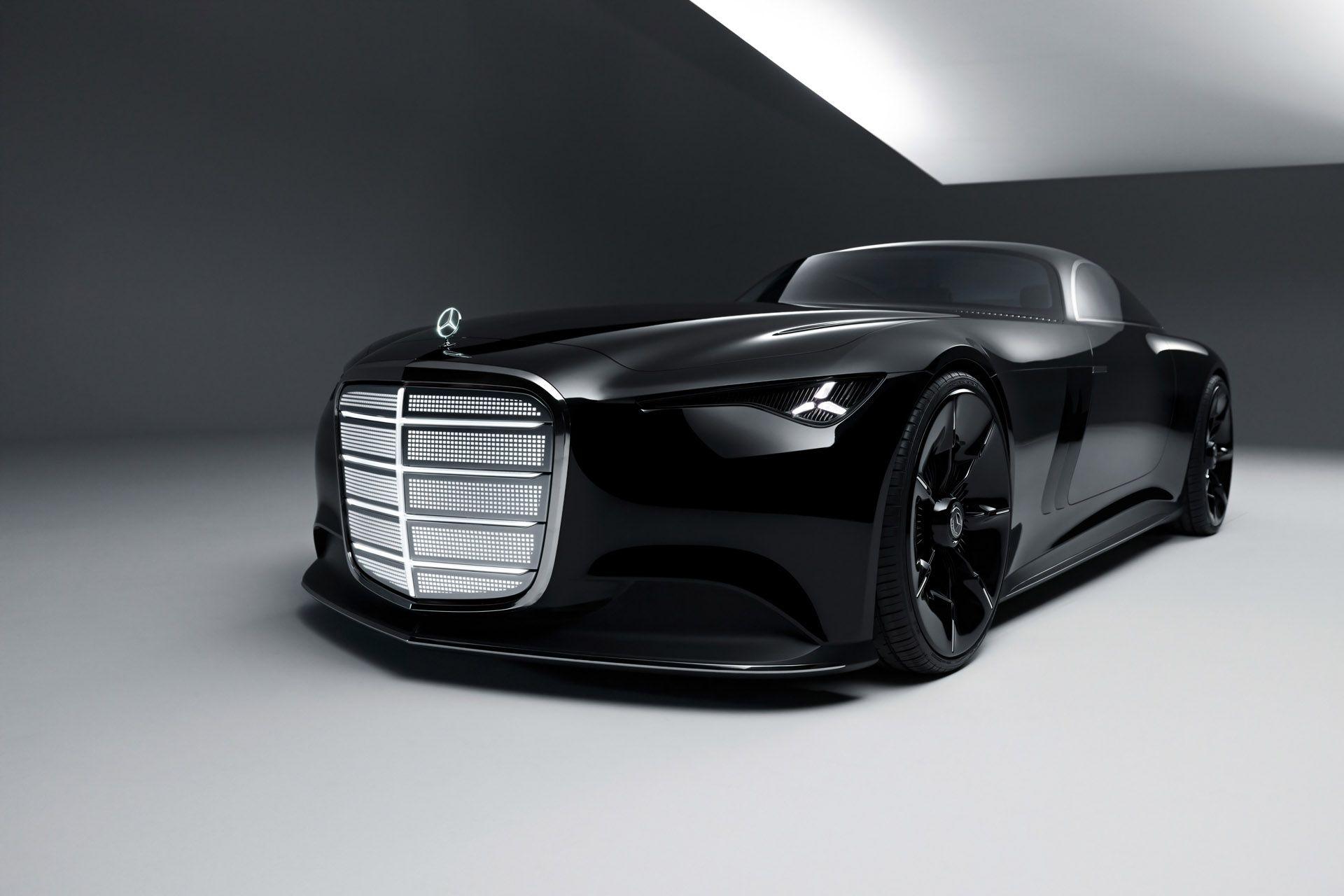
The breakthrough technology, showcased on the Vision Iconic concept car, measures a mere 5 micrometres, making it thinner than a human hair yet capable of transforming every curve and panel into an electricity generator.
Unlike conventional approaches that mount rigid solar cells onto limited roof space, this innovative film integrates directly into the vehicle's structure, positioned between body panels and the glossy exterior finish. The coating operates invisibly, with specially formulated nanoparticle paint allowing 94 percent of solar energy to penetrate and reach the photovoltaic layer below.
Environmental sustainability drives the technology's design philosophy. Mercedes engineers deliberately avoided silicon and rare-earth materials common in traditional solar panels, instead developing recyclable nanoparticle-based components that minimise ecological impact throughout the product life cycle.
The system's versatility extends beyond aesthetics. It generates power continuously, whether vehicles are actively driving, sitting in parking lots, or stored in garages, potentially providing passive charging that reduces dependence on grid infrastructure.
Real-world applications appear promising. Mercedes projects that an 11-square-metre installation, typical for midsize SUVs, could deliver energy equivalent to 12 000 kilometres of annual driving in Stuttgart's climate conditions. Sunnier regions show even greater potential, with Los Angeles projections reaching 20 000 kilometres yearly.
"Automotive solar concepts have existed for years, but practical implementation across complex vehicle shapes remained elusive," Jochen Schmid, senior manager for future electric drive at Mercedes-Benz, explained to Automotive News Europe.
The engineering challenge is centred on material flexibility. "Developing a coating that conforms to intricate three-dimensional contours while maintaining efficiency was our breakthrough moment," Jochen says.
Cost management remains crucial for commercialisation. The development team continues to refine application processes to ensure affordability. "Our research must yield solutions that don't burden customers with additional €10,000 costs, which would negate ownership advantages," he emphasises.
Aesthetic versatility may expand beyond the current black finish. Engineers are exploring colour options: blues, reds and greens, using light-filtering technologies that preserve substantial energy collection capabilities, though performance correlates inversely with colour brightness.
"Blue finishes might sacrifice roughly 5 percent efficiency compared to black," Jochen notes. "White presents the steepest performance penalty."
This innovation exemplifies Mercedes-Benz's strategic commitment to advancing electric vehicle efficiency and sustainability, potentially influencing industry-wide approaches to renewable energy integration in automotive manufacturing.
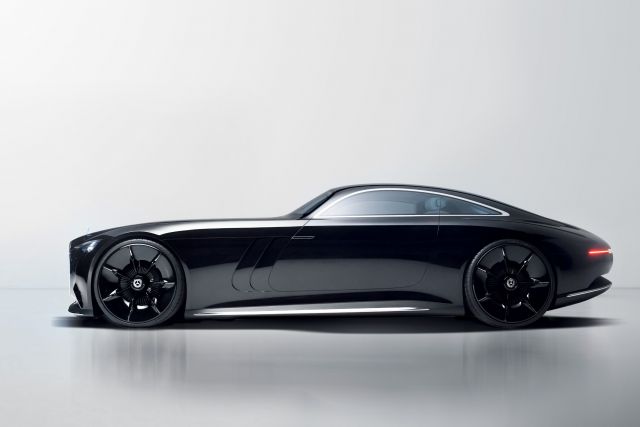
CMS Systems is celebrating 25 years in business, marking a significant milestone for a company that has become a central player in automotive retail technology.
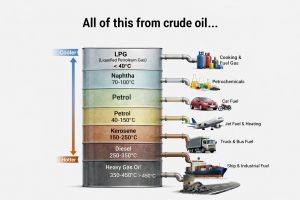
Oil prices jumped on Wednesday after Iran's seizure of container ships in the strait.
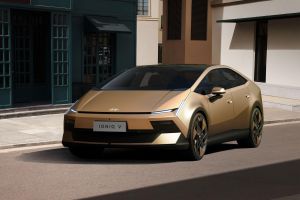
Hyundai Motor is preparing an aggressive comeback in China, unveiling plans to launch 20 new vehicles over the next five years as it tries to rebuild its position in the world’s largest car market.
 Advertisement
Advertisement
Advertisement
You can't buy happiness but you can buy cars and that's kind of the same thing.
Unknown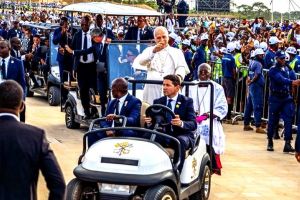
Supporting the Pope on Africa soil in or on vehicles assembled on the continent, is the story of OPAIA Motors.
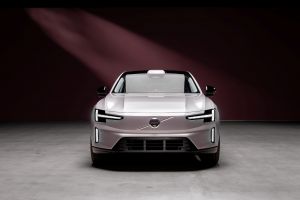
Europe’s shift to electric vehicles (EVs) gathered fresh momentum at the start of 2026, as soaring petrol prices prompted drivers to rethink the cost and security of running petrol and diesel vehicles.
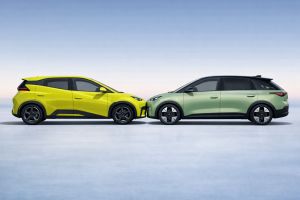
Two years ago, the cheapest mainstream electrical vehicles (EVs) in South Africa were mostly premium products priced well above R700 000.