

Springboks score tries in Nissan Navara Pro4X
Two leading Springbok rugby players, Aphelele Fassi and Jordan Hendrikse, have taken delivery of their new Nissan Navara Pro4X bakkies in Durban.
- Industry News
- 12 May 2026
Mercedes-Benz and Rivian have abandoned their partnership that would have seen them building electric vans together.
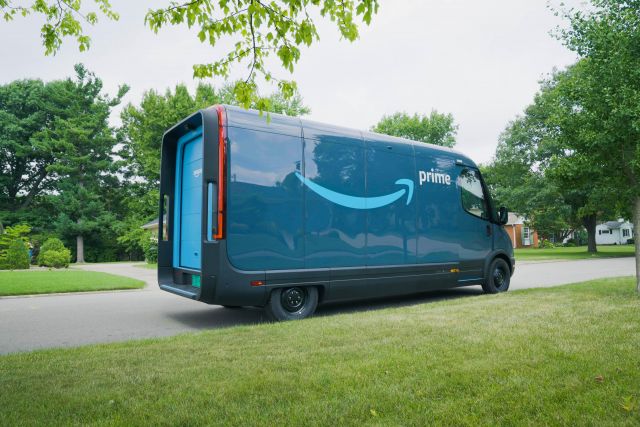
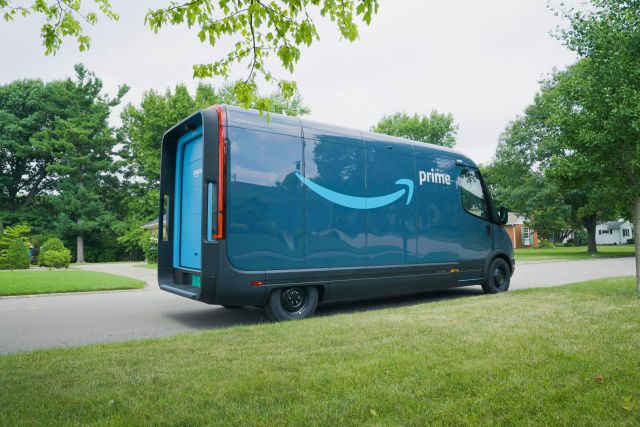
The two manufacturers signed a Memorandum of Understanding in September that supposedly paved the way for a van being built for each brand. But on 12 December they disbanded the partnership.
Rivian CEO, RJ Scaringe, said the company decided that it would be more valuable to rather focus on its current consumer and commercial business operations, while Mathias Geisen, head of Mercedes-Benz Vans, said he understood and respected Rivian’s decision.
Geisen did indicate, though, that the company’s electrification strategy would be pursued without change. He said Mercedes-Benz Vans were still committed to its new EV-manufacturing plant in Poland and its first dedicated electric van factory. Geisen also said that the current development did not mean that the two brands might not work together in the future.
Initially the two companies were hoping that the partnership would reduce the cost of electric vans for commercial vehicle users.
Last year also saw Rivian part ways with Ford in a partnership that was supposed to see the two companies manufacturing vehicles together.
Two leading Springbok rugby players, Aphelele Fassi and Jordan Hendrikse, have taken delivery of their new Nissan Navara Pro4X bakkies in Durban.
Dealership service departments know the pattern: the moment warranties and service plans expire; a portion of owners quietly migrate to the independent aftermarket.

Mercedes-Benz Vans South Africa announced its top-performing Agents and Dealers for 2025, recognising their exceptional dedication, customer service and commitment to the brand.
 Advertisement
 Advertisement
You can't buy happiness but you can buy cars and that's kind of the same thing.
Unknown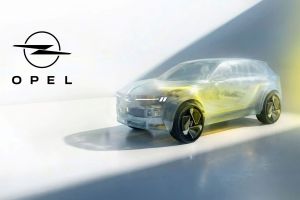
Opel has unveiled a key project under development in its model strategy: a completely new, all-electric SUV in the important and highly competitive C-segment that would extend the current line-up.
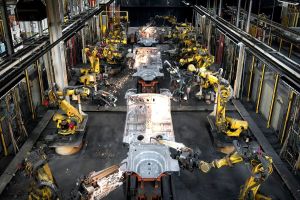
Nissan’s decision to drop a planned $500 million investment in electric vehicle (EV) production at its Canton, Mississippi plant is the latest indication that established manufacturers are reassessing how quickly the market will shift to battery power.
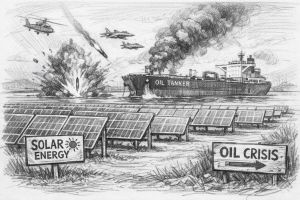
Zero Carbon Charge (CHARGE) welcomes the government’s extension of short term fuel levy relief measures aimed at cushioning consumers from rising fuel prices, but cautions that these interventions do not address the underlying structural challenge facing South Africa’s transport economy.