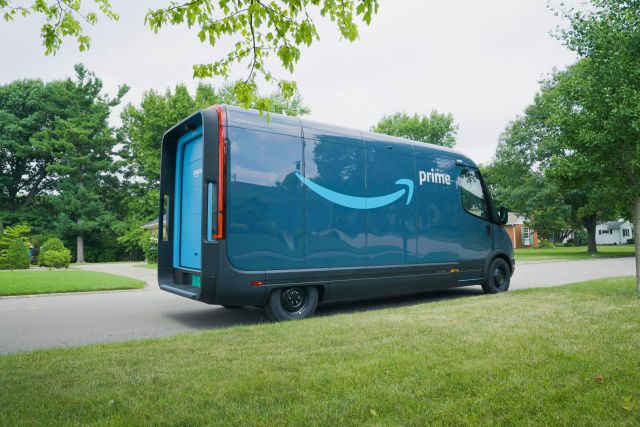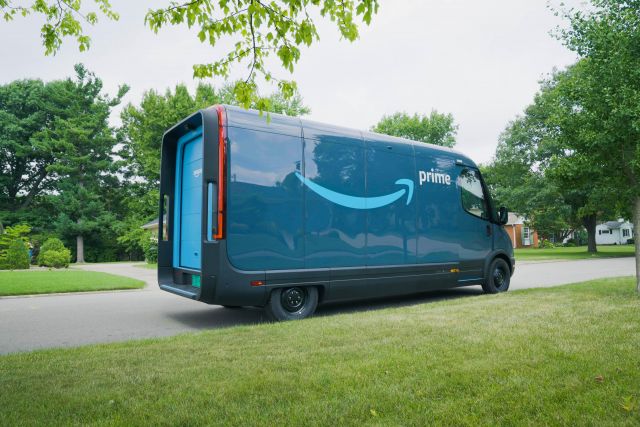
The two manufacturers signed a Memorandum of Understanding in September that supposedly paved the way for a van being built for each brand. But on 12 December they disbanded the partnership.
Rivian CEO, RJ Scaringe, said the company decided that it would be more valuable to rather focus on its current consumer and commercial business operations, while Mathias Geisen, head of Mercedes-Benz Vans, said he understood and respected Rivian’s decision.
Geisen did indicate, though, that the company’s electrification strategy would be pursued without change. He said Mercedes-Benz Vans were still committed to its new EV-manufacturing plant in Poland and its first dedicated electric van factory. Geisen also said that the current development did not mean that the two brands might not work together in the future.
Initially the two companies were hoping that the partnership would reduce the cost of electric vans for commercial vehicle users.
Last year also saw Rivian part ways with Ford in a partnership that was supposed to see the two companies manufacturing vehicles together.