
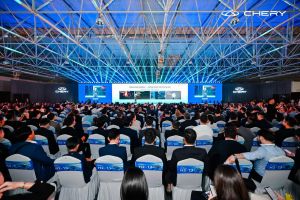
Funky wheels: China’s big drive in South Africa
No, the Chinese are not coming to take over – they are already busy accomplishing it.
- Industry News
- 4 May 2026
Mercedes-Benz and Rivian have abandoned their partnership that would have seen them building electric vans together.
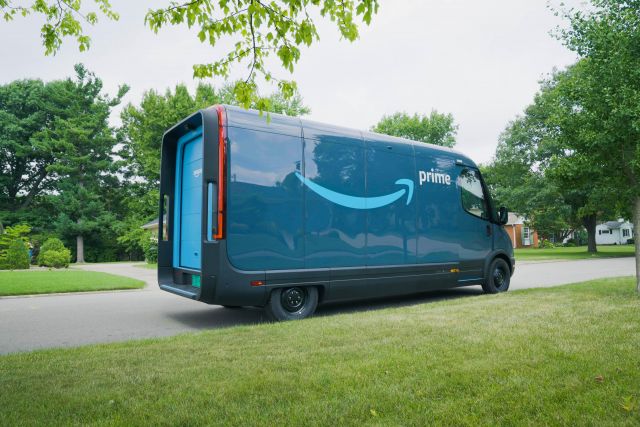
The two manufacturers signed a Memorandum of Understanding in September that supposedly paved the way for a van being built for each brand. But on 12 December they disbanded the partnership.
Rivian CEO, RJ Scaringe, said the company decided that it would be more valuable to rather focus on its current consumer and commercial business operations, while Mathias Geisen, head of Mercedes-Benz Vans, said he understood and respected Rivian’s decision.
Geisen did indicate, though, that the company’s electrification strategy would be pursued without change. He said Mercedes-Benz Vans were still committed to its new EV-manufacturing plant in Poland and its first dedicated electric van factory. Geisen also said that the current development did not mean that the two brands might not work together in the future.
Initially the two companies were hoping that the partnership would reduce the cost of electric vans for commercial vehicle users.
Last year also saw Rivian part ways with Ford in a partnership that was supposed to see the two companies manufacturing vehicles together.
No, the Chinese are not coming to take over – they are already busy accomplishing it.

Motorists and households already under pressure will have to dig deeper into their pockets yet again from Wednesday, with sharp fuel and energy price hikes taking effect across South Africa.

Marcia Mayaba, Commercial Director at Dunlop Tyres South Africa, has been recognised as the top achiever at the recently held Woman of Stature Awards South Africa.
 Advertisement
 Advertisement
You can't buy happiness but you can buy cars and that's kind of the same thing.
Unknown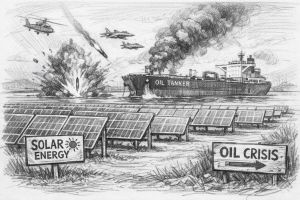
Zero Carbon Charge (CHARGE) welcomes the government’s extension of short term fuel levy relief measures aimed at cushioning consumers from rising fuel prices, but cautions that these interventions do not address the underlying structural challenge facing South Africa’s transport economy.
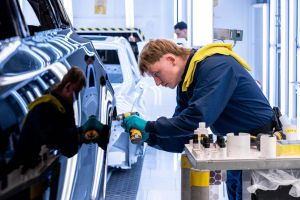
Volvo Cars has started building the fully electric EX60 at its Torslanda factory outside Gothenburg, with first customer deliveries due in early summer.
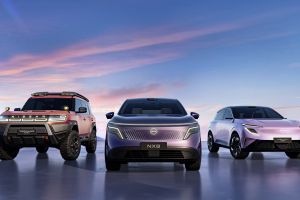
At Auto China 2026, Nissan unveiled two new NEV SUV concept cars, in its accelerated product rollout. It also highlights China’s role as one of the company’s lead markets and a global innovation and export hub, according to Nissan.