The pollution and energy challenges across the world inspired the South African government to dedicate a month to energy education. This year, Energy Month is May.
Share with friends
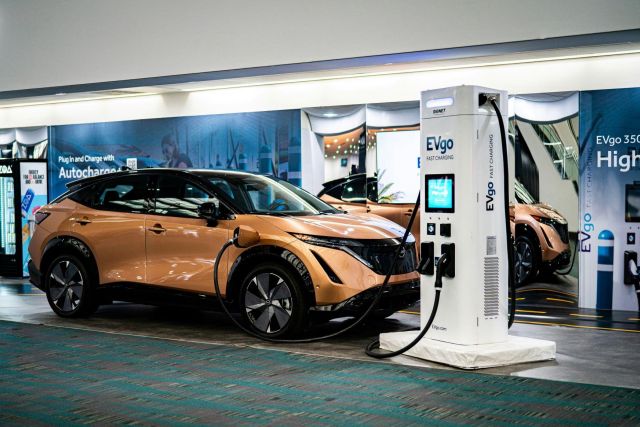
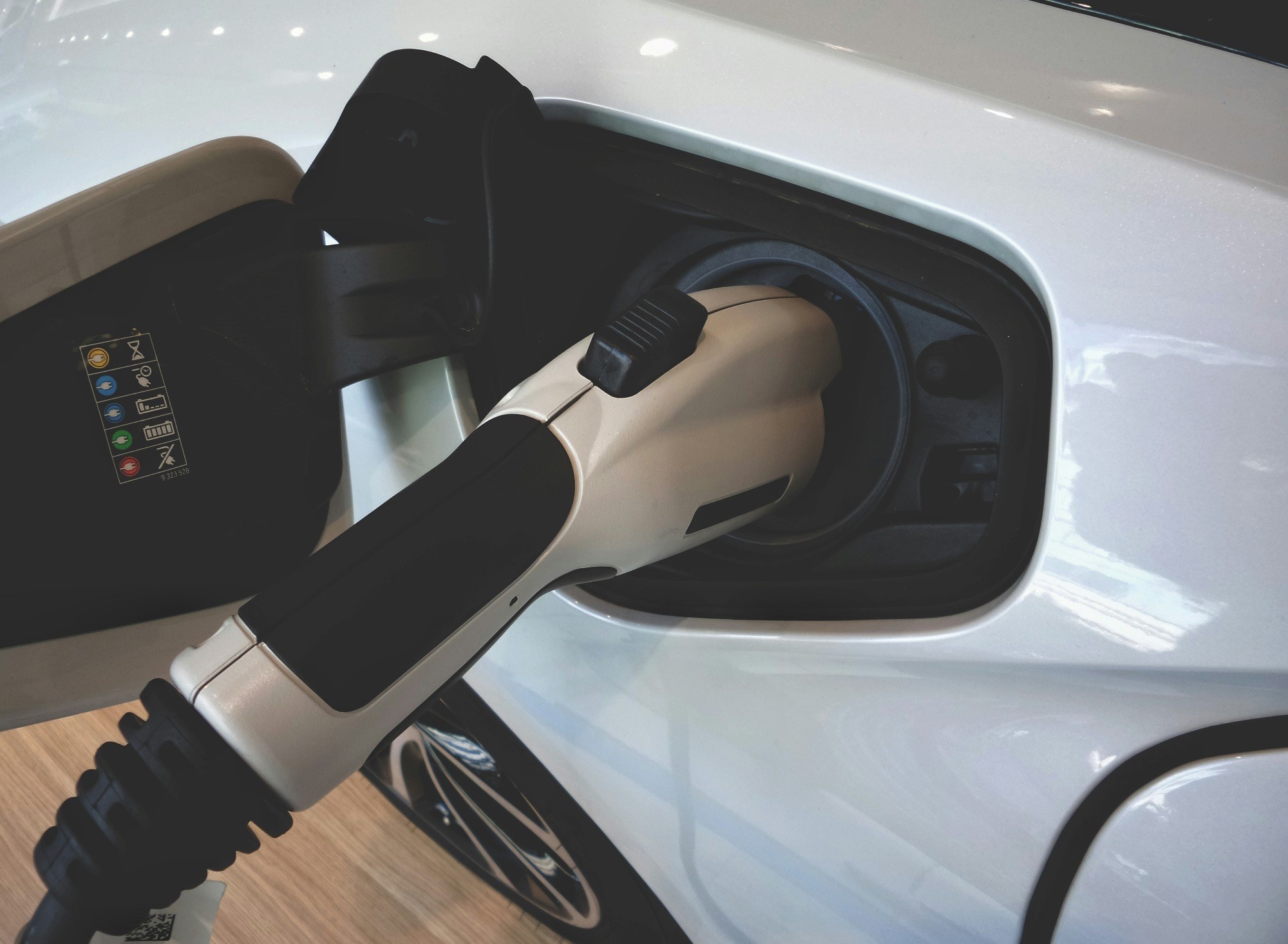
Electric Vehicles (EVs) are often propagated as one of the solutions to carbon pollution, yet opinions are divided making it a controversial issue.
Research on EVs reveals both their positive versus negative effect on the environment and whether drivers should be preparing to make the switch. The CEO of MasterDrive, Eugene Herbert, says concerns about whether EVs are actually a better alternative to internal combustion engines (ICE) can be valid but they also tend to lack a holistic view.
“Resistance to EVs in South Africa is ardent. Often people grasp onto a one-sided criticism of EVs and use that to support or justify their EV decisions. We explored some of the most commonly cited reasons why EVs are not better for the environment as well as the research conducted on that concern to provide a well-rounded view.”
More carbon emissions are created to produce an EV than an ICE vehicle:
This is true. However, research from Yale Climate Connections says carbon emissions from driving an EV are considerably less so that by the time one drives approximately 32 000 km, it would have offset production emissions. The breakeven point varies depending on the vehicle and how the electricity grid is powered.
There is no set plan or way to dispose of batteries once they reach their full lifespan:
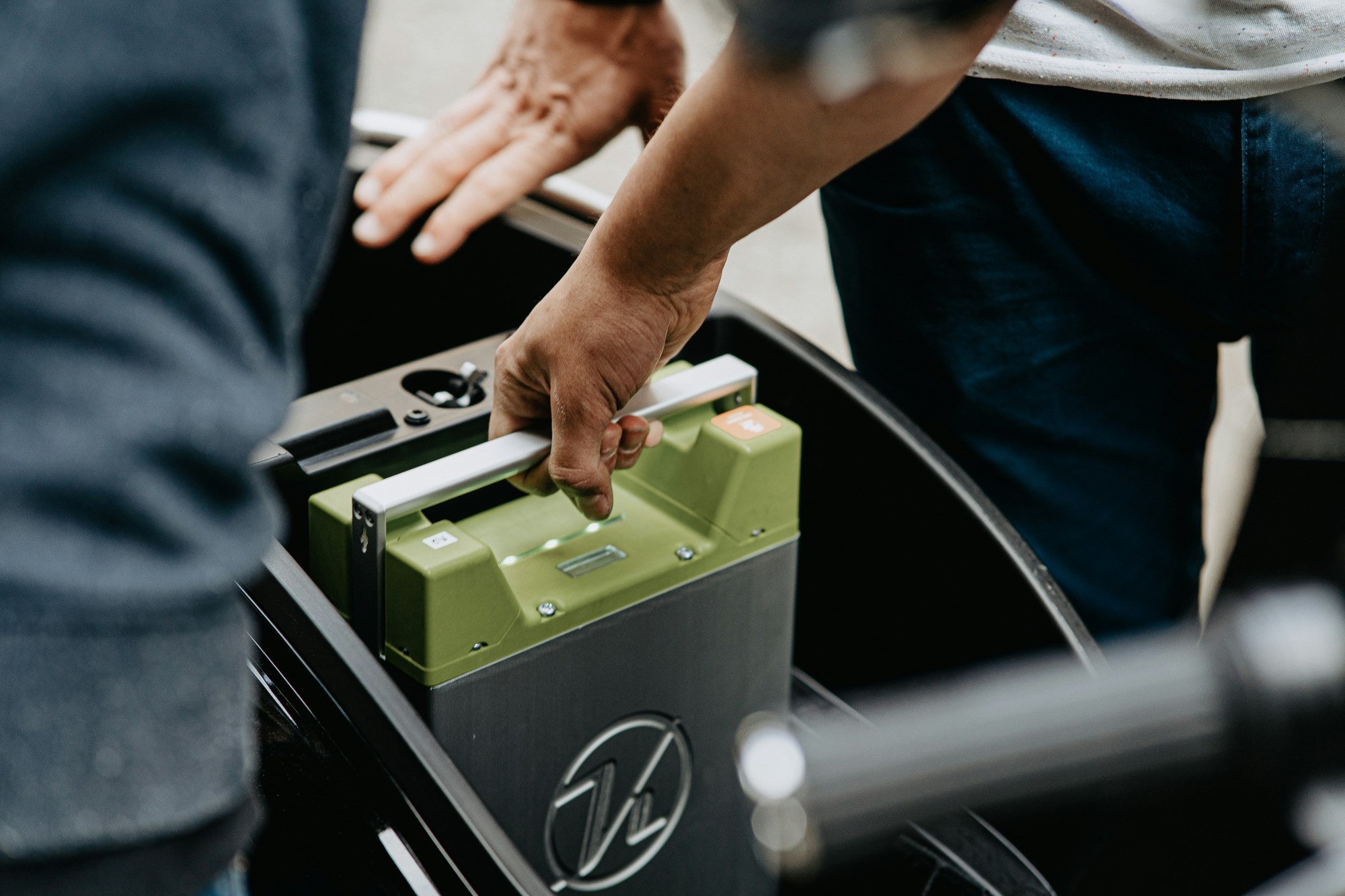
This fact is partially true. A great focus of organisations introducing EV vehicles is on what to do with the batteries. Hyundai is one of the first manufacturers to sign a deal with battery recyclers. There are two ways of doing this. One is to shred the battery and divide the components into metal, plastics and minerals. Up to 95% is then fed back into the supply chain.
The second way is to repurpose batteries that are not ready to be recycled. In this role, EV batteries act as energy banks that charge up when grid demand is low and discharge into the grid when demand is high to offset the need for excess energy generation. One manufacturer in South Africa is already looking at the possibility of implementing this in the country.
Charging EVs adds more pressure to the already strained electricity infrastructure:
The current electricity grid will not be able to handle mass EV charging. Yet, South Africa is also the first country in the world to sign a Memorandum of Understanding (MOU) worth R1 billion to instal solar-powered superchargers. Ultimately, however, this remains the greatest challenge to the environmental benefits in a coal-powered electrical grid. Fortunately, South Africa’s much slower uptake of EVs gives the country more time to resolve this challenge.
When deciding if EVs are an environmentally conscious decision, it is important to consider the issue holistically. “It can’t be denied that EVs are coming, and drivers need to prepare for how this will change their driving style as well as various other considerations. Do not waste the time you have to get ready for the change by dismissing them as not being environmentally friendly,” says Eugene.
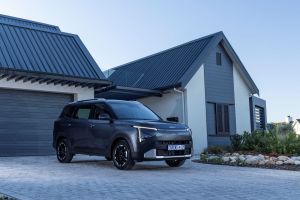
The Kia Carens nameplate makes its return to South Africa, this time as a seven‑seater designed with families in mind. It combines Sport Utility Vehicle (SUV) styling with Multi-Purpose Vehicle (MPV) practicality, offering space, comfort and efficiency, Kia says.
Volvo has confirmed that its vehicles will now integrate Google’s Gemini artificial intelligence system. This development builds on the company’s existing collaboration with Google, which already provides Android Automotive OS and Google services in Volvo models.
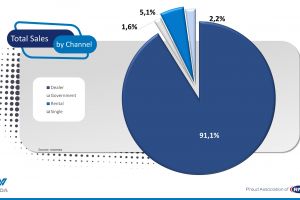
New vehicle sales in 2026 continued their positive trend in April, with the 47 979 units sold marking the best April figure since 2013. This represents a remarkable performance by local automotive retailers despite a host of economic headwinds and a challenging trading environment.
Nissan’s decision to drop a planned $500 million investment in electric vehicle (EV) production at its Canton, Mississippi plant is the latest indication that established manufacturers are reassessing how quickly the market will shift to battery power.
Zero Carbon Charge (CHARGE) welcomes the government’s extension of short term fuel levy relief measures aimed at cushioning consumers from rising fuel prices, but cautions that these interventions do not address the underlying structural challenge facing South Africa’s transport economy.
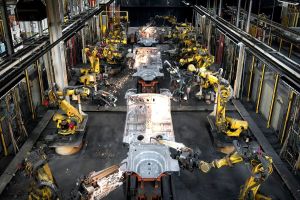
Volvo Cars has started building the fully electric EX60 at its Torslanda factory outside Gothenburg, with first customer deliveries due in early summer.