
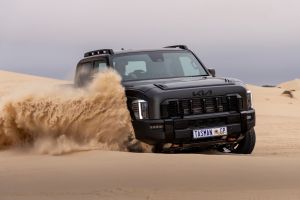
Kia’s Tasman bakkie arrives in South Africa
Kia has taken a bold step into one of South Africa’s most competitive automotive segments with the launch of the Tasman, its first-ever double cab bakkie.
- Product News
- 9 April 2026
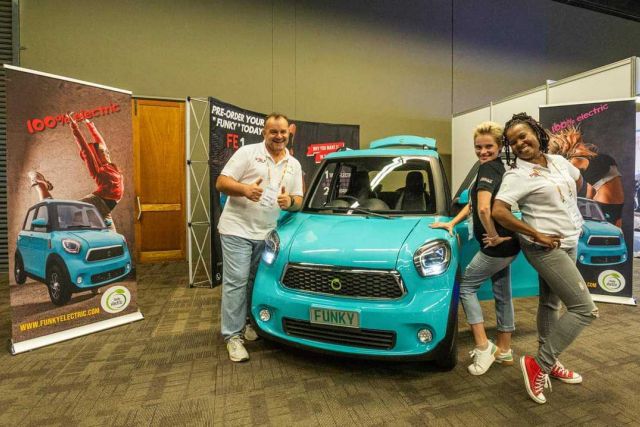
A small South African start-up, Funky Electric, hopes to introduce an affordable electric vehicle into the market no later than early 2023.
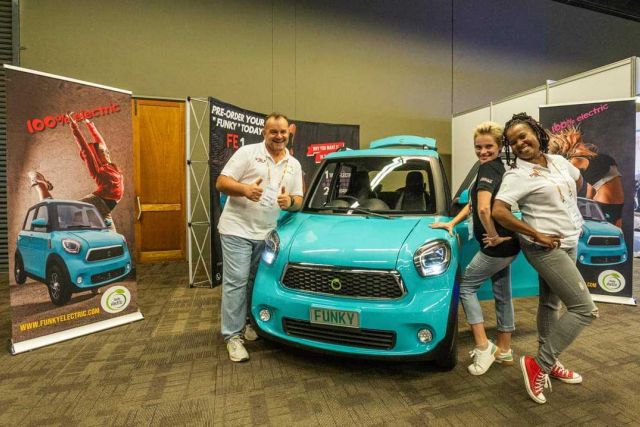
The designer of the vehicle, Stephan Theron, and his wife Adele, came across the idea during their stay in China where they own restaurants.
“In China EVs are almost old news. The Chinese government subsidises the development of EVs. We asked ourselves why we couldn’t develop an entry-level EV for inner city and suburban use that will also educate the regular man in the street in South Africa,” explained Stephan. “At the moment, EVs are all about experts arguing about battery size while the average person doesn’t know much about these vehicles,” he continued.
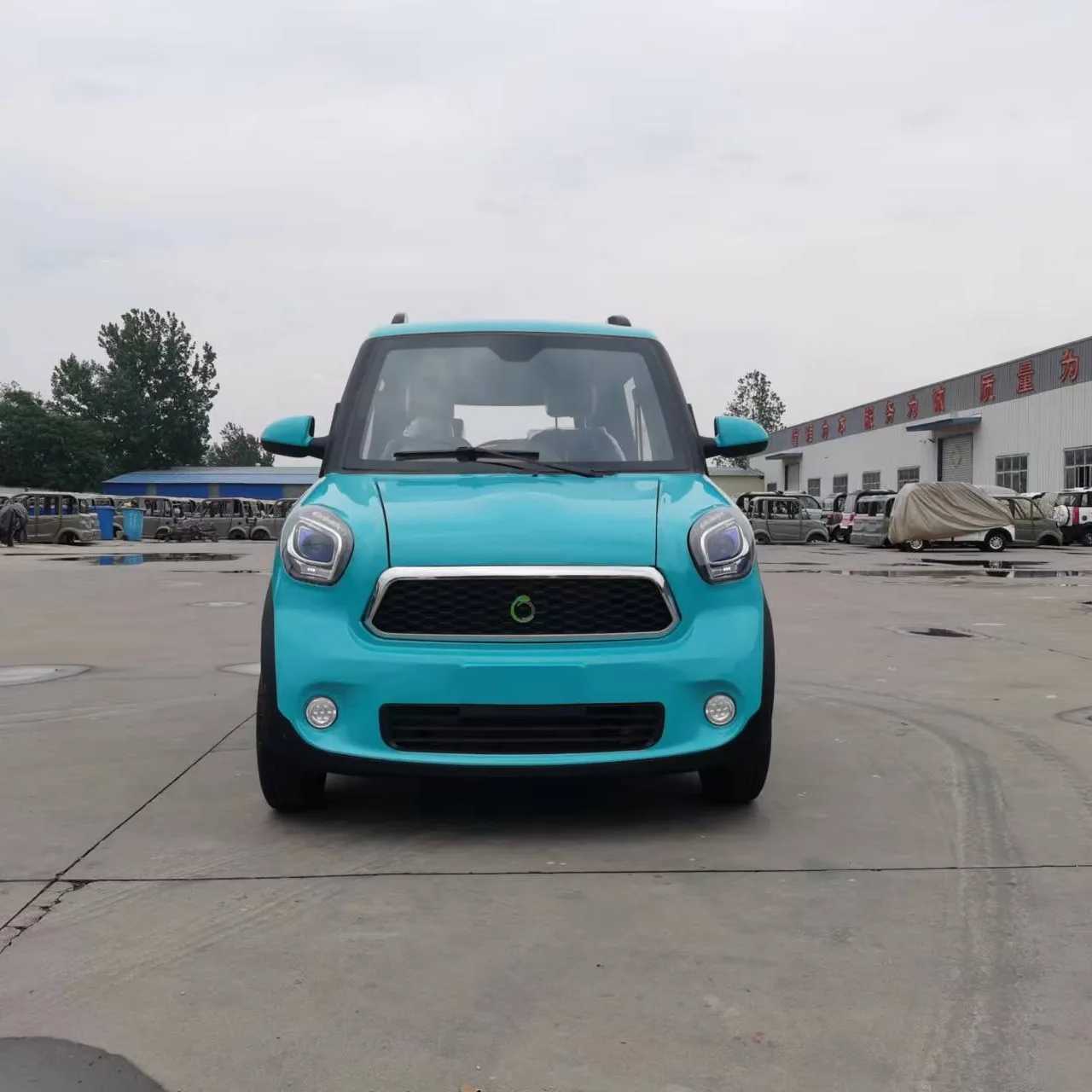
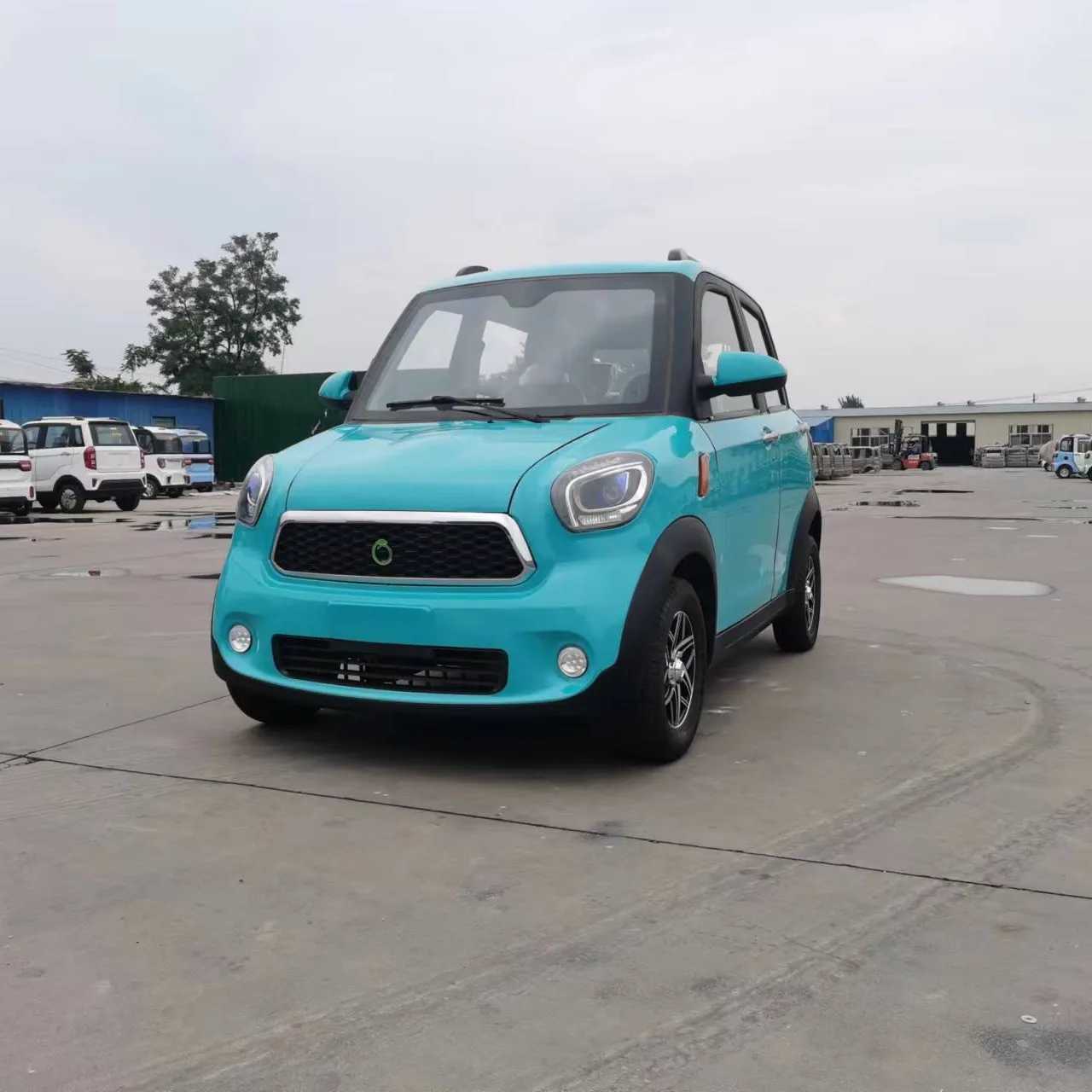
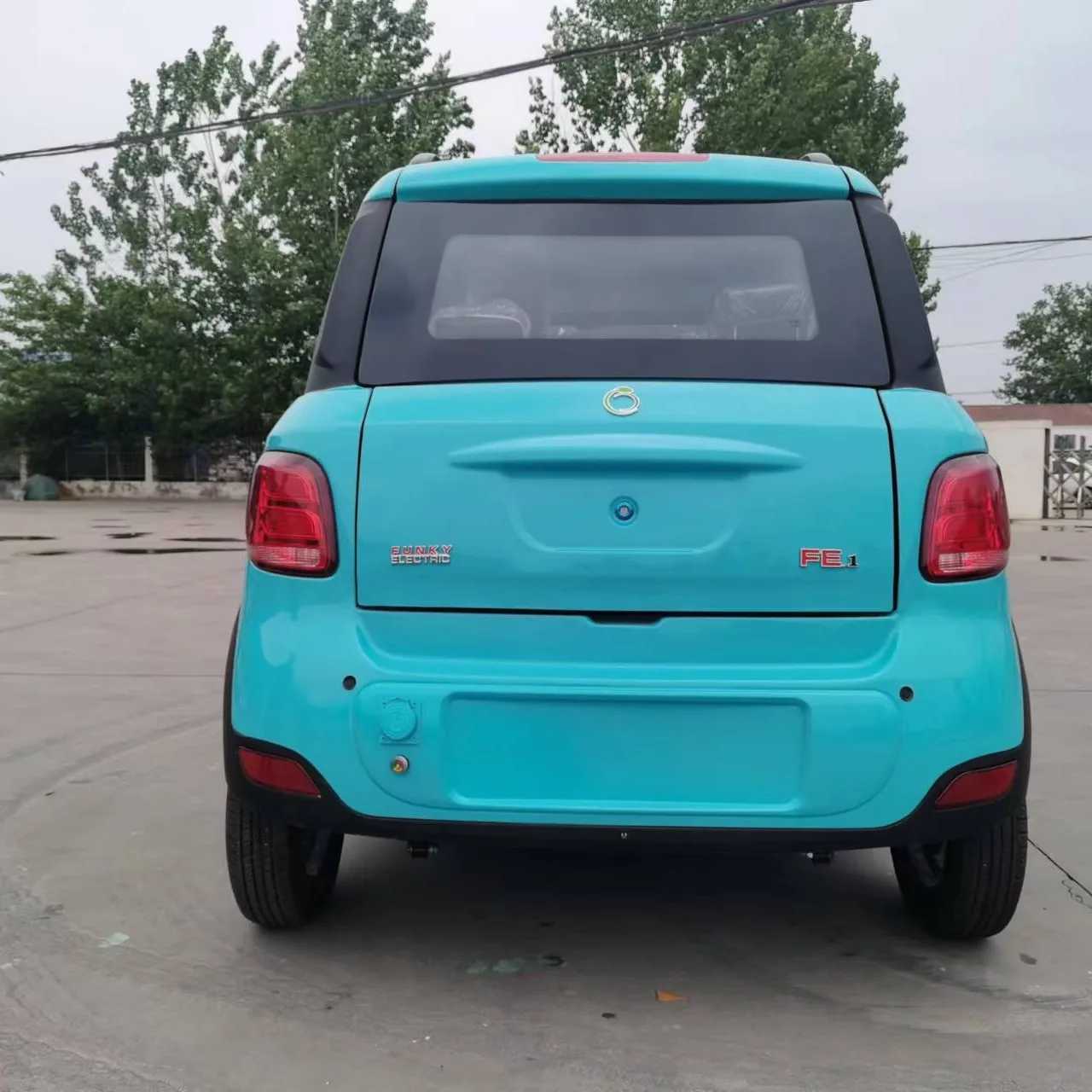
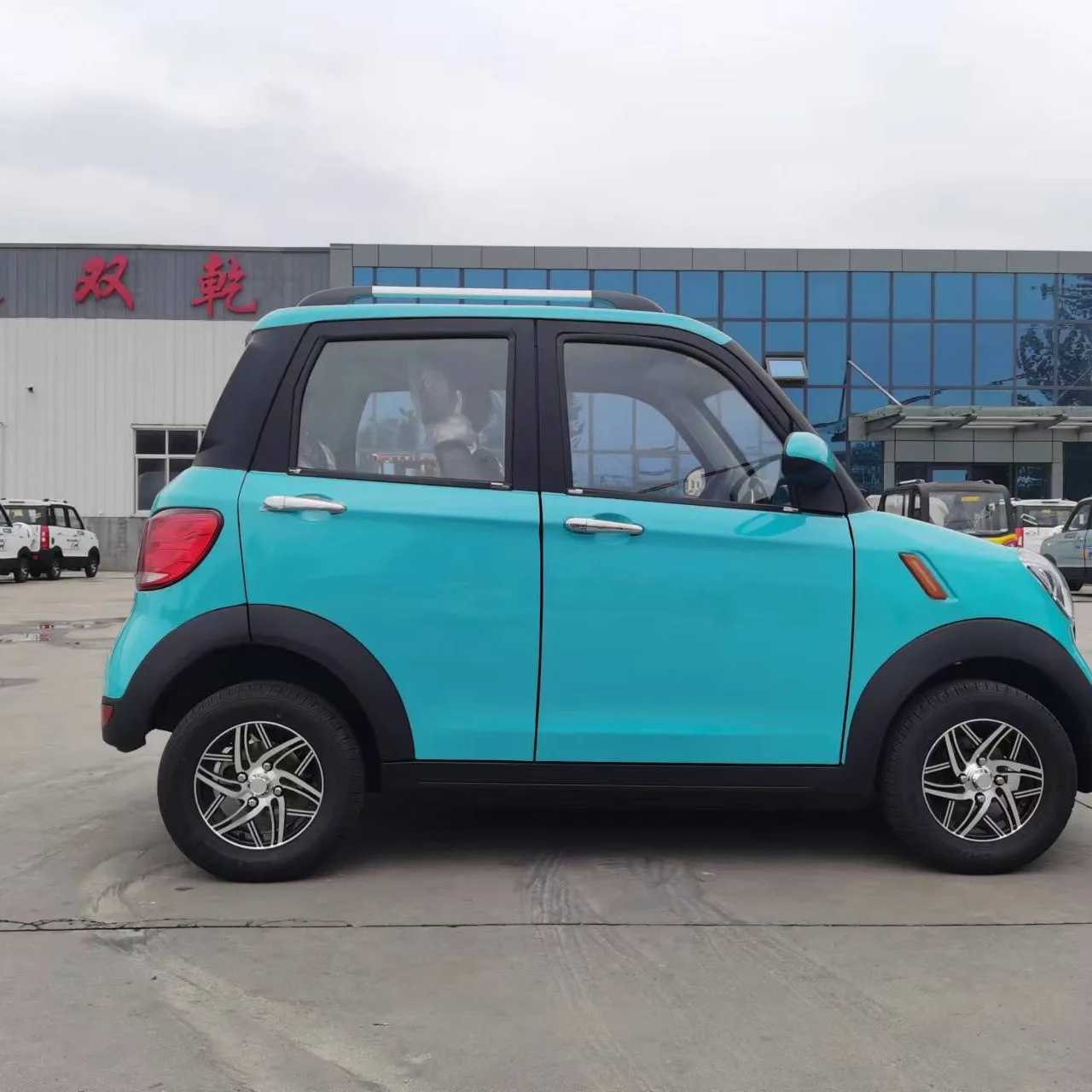
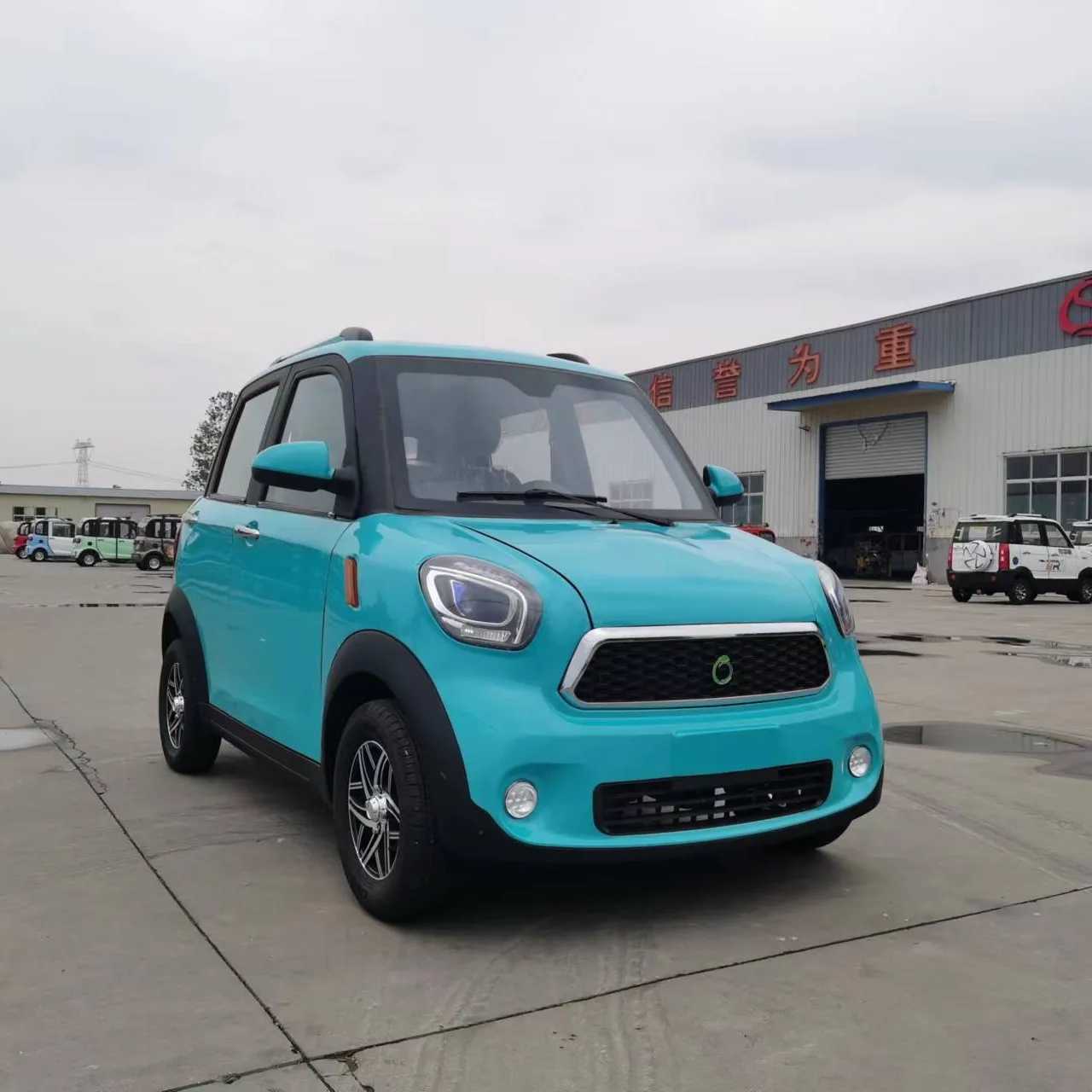
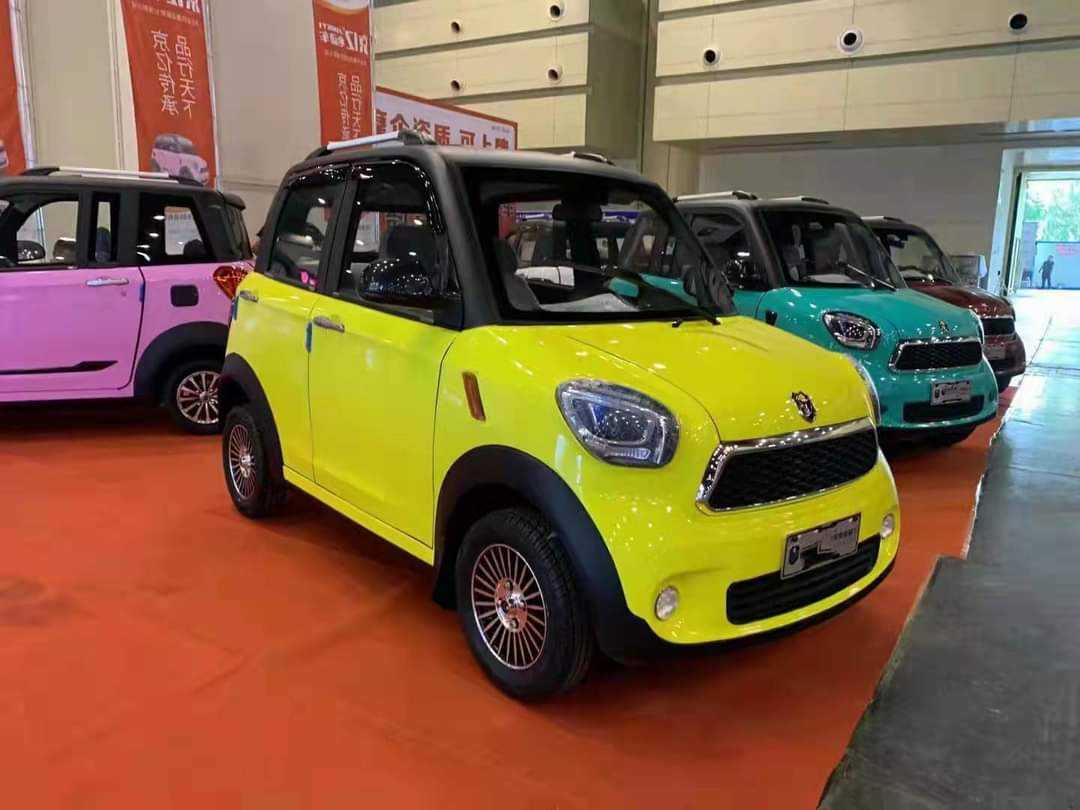
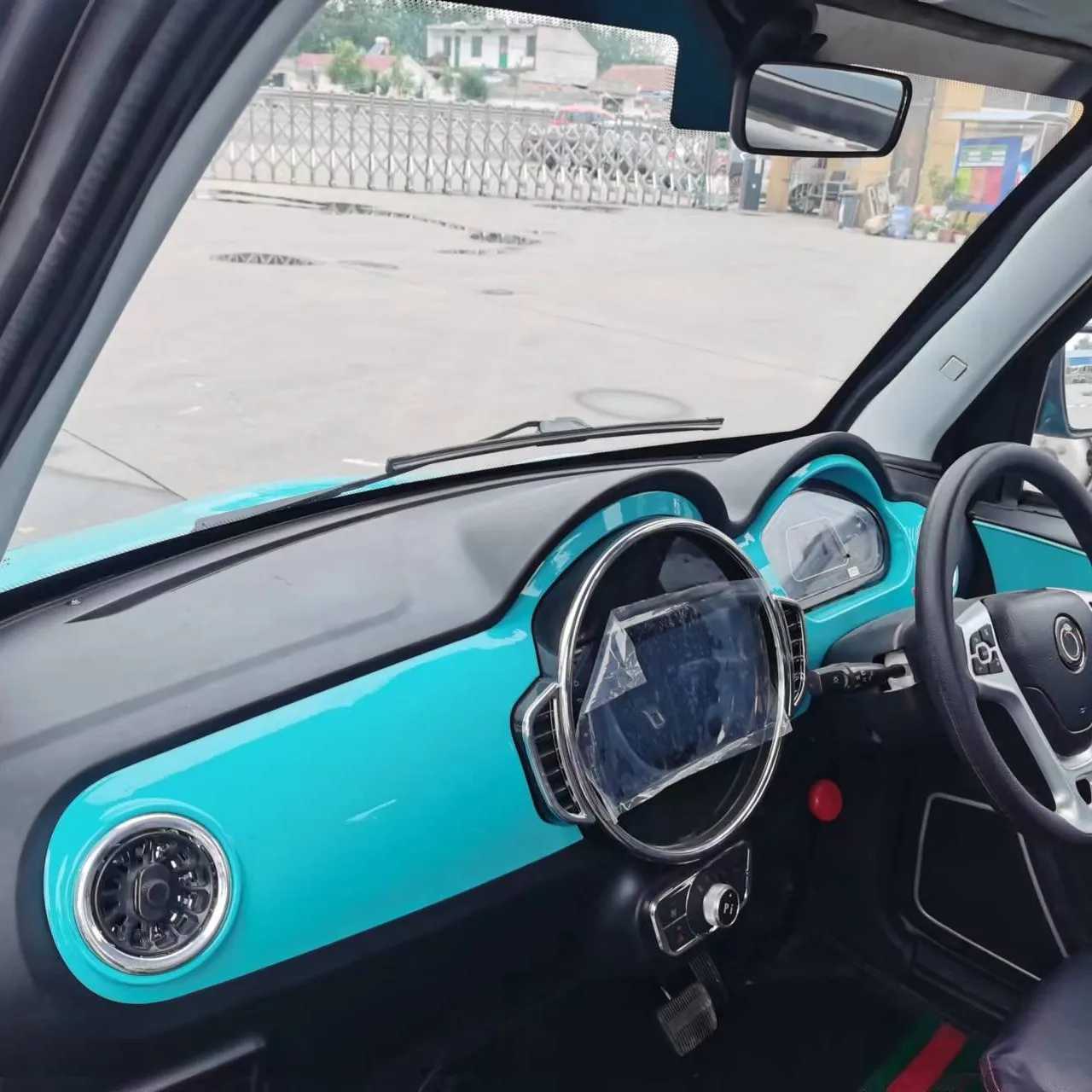
Stephan then approached the KL Group in China who helped him design the Funky FE-1. The vehicle seats four persons, has a curb weight of 400kg, a 4000W motor, electric windows, a multi-function steering wheel and reaches a maximum speed of about 60km/h.
According to Stephan, it has a range of about a 100km. The battery will take about 8 to 11 hours to charge from flat to fully charged. “This is only in very unlikely cases. Because the vehicle will only be used for suburban short distance runabouts, you will most likely never use up the full capacity of the battery. That means you will only have to top it up, which can be done in between load shedding,” said Stephan.
The 60v/100Ah Lead-acid battery (an upgrade to a Lithium-Ion battery is available) can be charged at a normal three-point socket.
The vehicle must still be homologated, but Stephan does not foresee any problems.
It will retail for around R190 000.
Kia has taken a bold step into one of South Africa’s most competitive automotive segments with the launch of the Tasman, its first-ever double cab bakkie.
Volkswagen Group Africa (VWGA) has reached another major milestone with the production of the 500 000th unit of the current Polo for the export market.
OMODA has expanded its South African lineup with the arrival of the C5 SHS hybrid, a new addition to the C5 range.
 Advertisement
 Advertisement
I have bad reflexes. I was once run over by a car being pushed by two guys
Woody Allen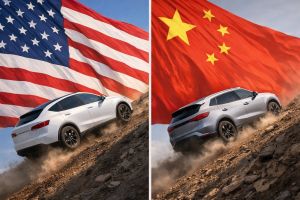
BYD and Tesla, two giants of the electric vehicle industry, are navigating diverging challenges. BYD faces mounting competition in China and questions over its pricing strategy, while Tesla grapples with fading incentives and unsold inventory in the United States.
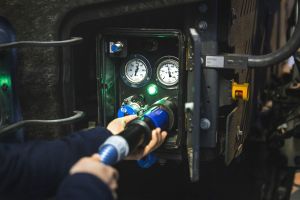
Volvo has commenced on-road testing of heavy trucks powered by hydrogen combustion engines. This pioneering solution places Volvo at the forefront of the industry, with commercial launch planned before 2030.

While rising fuel prices often trigger spikes in interest around electric vehicles, Volvo Car South Africa believes the real reasons South Africans are starting to consider EVs go far beyond the petrol pump.