
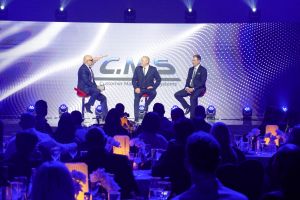
CMS Systems marks 25 years in automotive retail technology
CMS Systems is celebrating 25 years in business, marking a significant milestone for a company that has become a central player in automotive retail technology.
- Industry News
- 24 April 2026
The Kia EV9 has achieved a remarkable dual victory at the 2024 World Car Awards. Revealed during a live announcement at the World Car Awards ceremony at the New York Auto Show, the EV9 secured prestigious titles for both World Car of the Year and World Electric Vehicle.
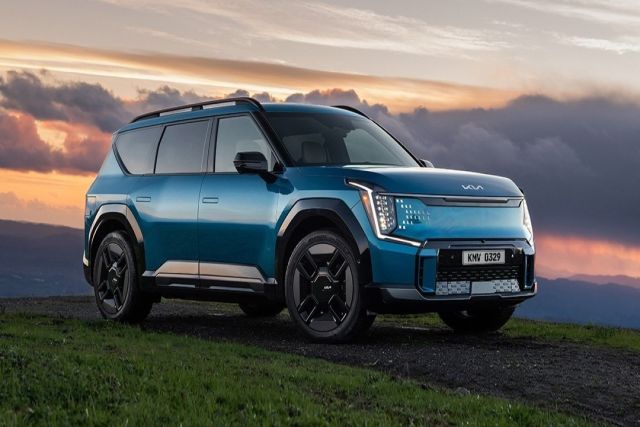
Selected by a jury of 100 distinguished automotive journalists representing 29 countries, the World Car Awards recognised the Kia EV9’s innovative design, spacious seven-seat interior and competitive price point. Based on the E-GMP platform, the EV9 is the first Kia to feature fourth-generation battery technology for improved performance.
Established in 2003, the World Car Awards are renowned globally as a premier standard for automotive excellence and leadership, celebrating remarkable accomplishments within a rapidly changing automotive industry.
Prior to the 2024 event, Kia had already claimed three wins at the World Car Awards – the Telluride as World Car of the Year and the Soul EV as World Urban Car in 2020, along with the Kia EV6 GT taking World Performance Car of the Year in 2023.
“We are hugely honoured that the EV9 has been named the World Car of the Year and World Electric Vehicle. This triumph is a testament to our unwavering commitment to pushing the boundaries of technology and design excellence. The Kia EV9’s continued success will drive us to keep delivering exceptional vehicles that redefine the driving experience for customers around the world,” Ho Sung Song, President and CEO at Kia said.
All the winners at the World Car of the Year ceremony were:
CMS Systems is celebrating 25 years in business, marking a significant milestone for a company that has become a central player in automotive retail technology.
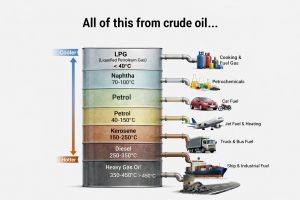
Oil prices jumped on Wednesday after Iran's seizure of container ships in the strait.
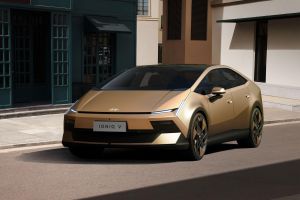
Hyundai Motor is preparing an aggressive comeback in China, unveiling plans to launch 20 new vehicles over the next five years as it tries to rebuild its position in the world’s largest car market.
 Advertisement
 Advertisement
I have bad reflexes. I was once run over by a car being pushed by two guys
Woody Allen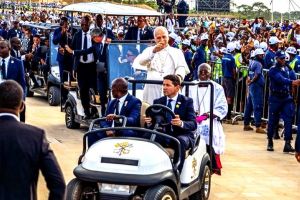
Supporting the Pope on Africa soil in or on vehicles assembled on the continent, is the story of OPAIA Motors.
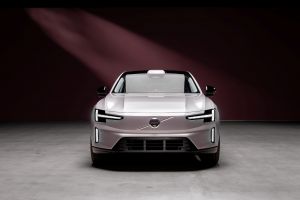
Europe’s shift to electric vehicles (EVs) gathered fresh momentum at the start of 2026, as soaring petrol prices prompted drivers to rethink the cost and security of running petrol and diesel vehicles.
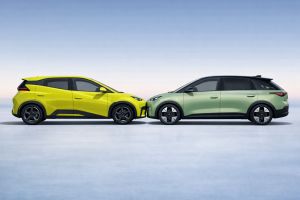
Two years ago, the cheapest mainstream electrical vehicles (EVs) in South Africa were mostly premium products priced well above R700 000.