JLR is accelerating its pace towards an electric vehicle (EV) future with the announcement of investing in new EV facilities and skilled staff for the new direction of motoring.
Share with friends
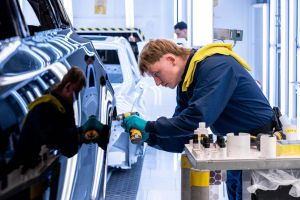
The manufacturer of Jaguar and Land Rover vehicles is recruiting 300 new technicians and test engineers in the UK’s West Midlands. The roles will support the continued growth of Range Rover production and the development of next-generation electric models.
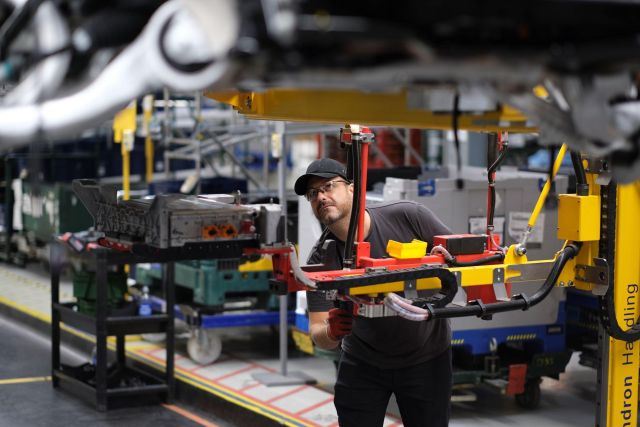
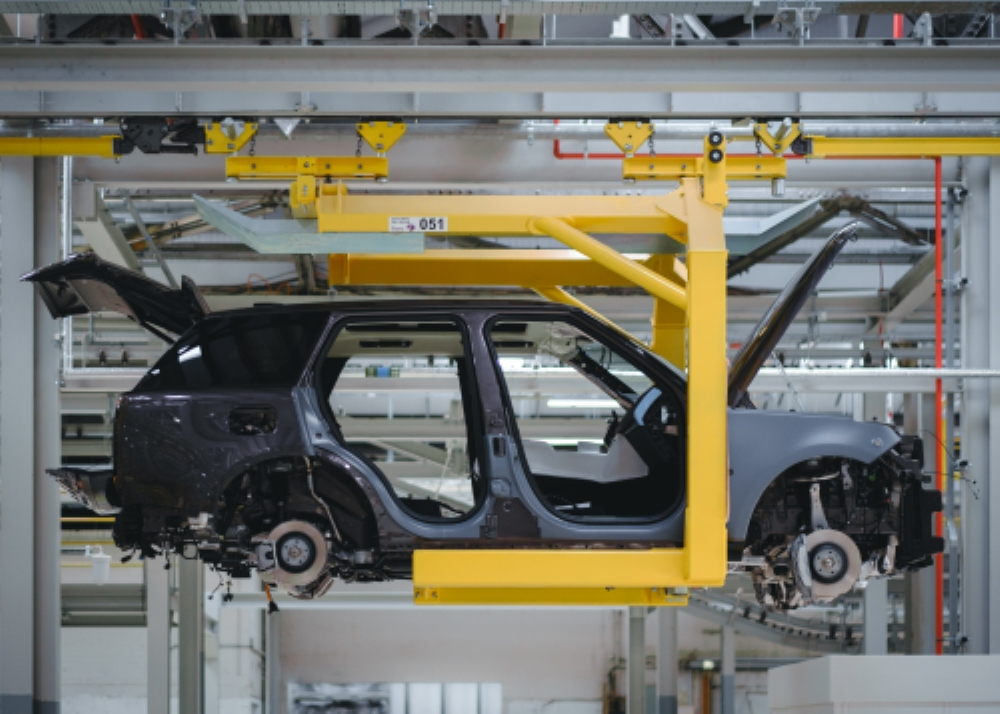
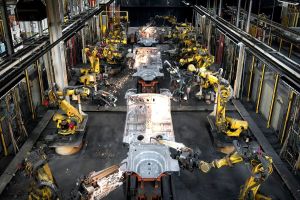
Alongside this, technicians will also be trained to work on an additional circa £70m new body production system to support the production of the highly anticipated new electric Range Rover at Solihull.
In addition, JLR is recruiting around 200 technicians and test engineers to be based at its Gaydon Engineering Centre and Whitley Powertrain facility, where they will support with testing and developing JLR's next-generation electric vehicles as part of JLR’s global family of over 38,000 colleagues.
Preparing for the Ranger Rover BEV.
Of the 300 roles, the UK-based luxury car manufacturer is recruiting around 100 maintenance technicians for its Solihull plant to operate and maintain highly automated, precision, production facilities in a new body shop costing around £130m. The new body shop will support an intended increase in Range Rover and Range Rover Sport production by 30% in future quarters.
All the technicians and test engineers will be upskilled with electrification training as part of JLR’s Future Skills Programme to ensure they are equipped with vital skills for the production and maintenance of electric vehicles.
Executive Director of Industrial Operations, Barbara Bergmeier, said: ‘’Solihull and Gaydon are at the heart of our global operations, and these roles are an opportunity for talented individuals to be part of our transformation to electrification. I am extremely excited to welcome a new cohort of individuals to develop their skills and join our family of proud creators of some of the most desirable modern luxury vehicles.’’
JLR is investing £15bn over five years in JLR’s industrial footprint, vehicle programmes, autonomous AI and digital technologies as well as people skills. This includes the transformation of its Solihull, Wolverhampton and Halewood manufacturing facilities to produce electric vehicles.
The next electric vehicles to launch will be the new Range Rover BEV, for which pre-order books open later this year. This will be followed by the first of three reimagined modern luxury electric Jaguars, which will be a 4-door GT built in Solihull in the UK.
The Kia Carens nameplate makes its return to South Africa, this time as a seven‑seater designed with families in mind. It combines Sport Utility Vehicle (SUV) styling with Multi-Purpose Vehicle (MPV) practicality, offering space, comfort and efficiency, Kia says.
Volvo has confirmed that its vehicles will now integrate Google’s Gemini artificial intelligence system. This development builds on the company’s existing collaboration with Google, which already provides Android Automotive OS and Google services in Volvo models.
New vehicle sales in 2026 continued their positive trend in April, with the 47 979 units sold marking the best April figure since 2013. This represents a remarkable performance by local automotive retailers despite a host of economic headwinds and a challenging trading environment.
Nissan’s decision to drop a planned $500 million investment in electric vehicle (EV) production at its Canton, Mississippi plant is the latest indication that established manufacturers are reassessing how quickly the market will shift to battery power.
Zero Carbon Charge (CHARGE) welcomes the government’s extension of short term fuel levy relief measures aimed at cushioning consumers from rising fuel prices, but cautions that these interventions do not address the underlying structural challenge facing South Africa’s transport economy.
Volvo Cars has started building the fully electric EX60 at its Torslanda factory outside Gothenburg, with first customer deliveries due in early summer.