

Funky wheels: China’s big drive in South Africa
No, the Chinese are not coming to take over – they are already busy accomplishing it.
- Industry News
- 4 May 2026
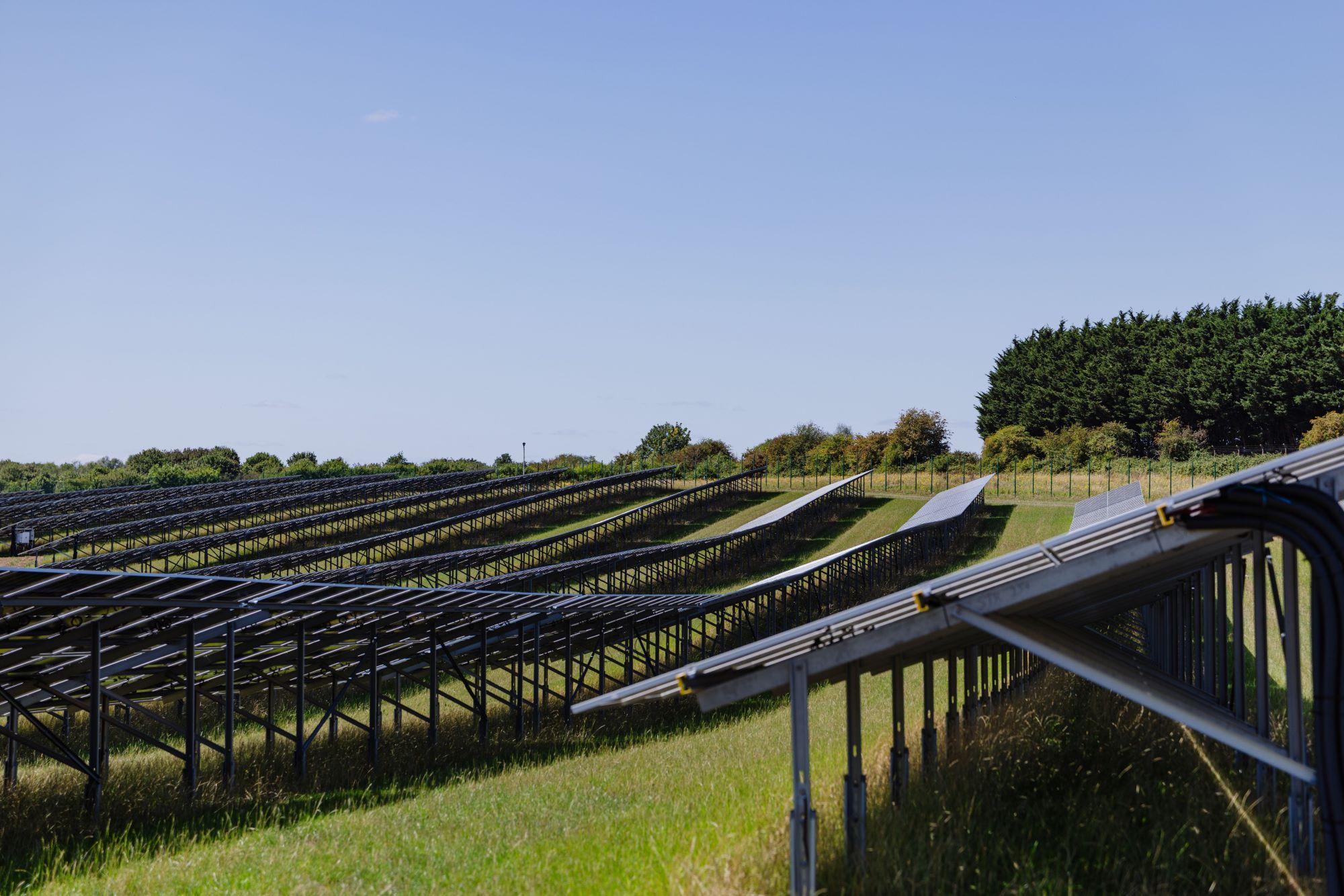
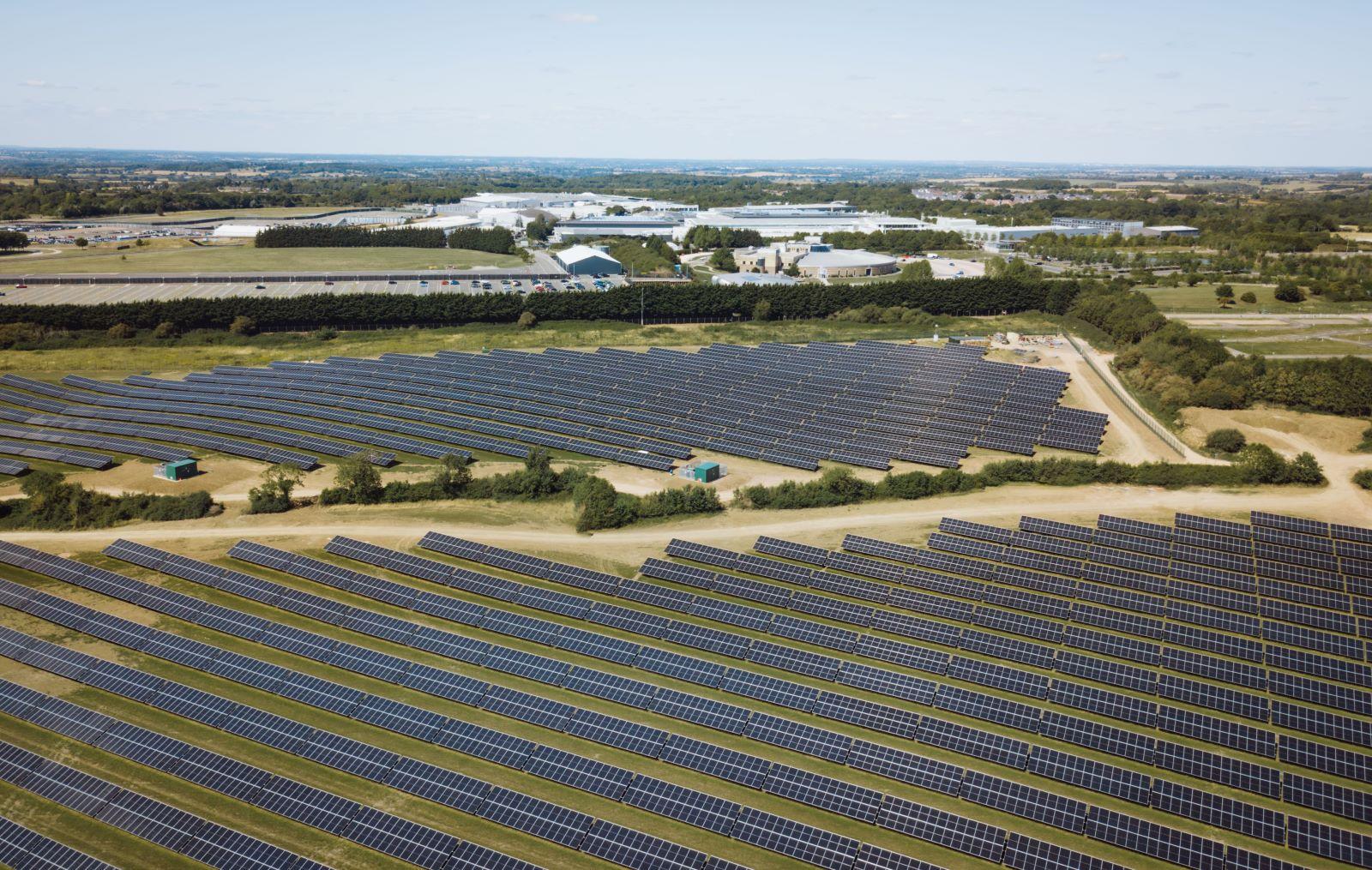
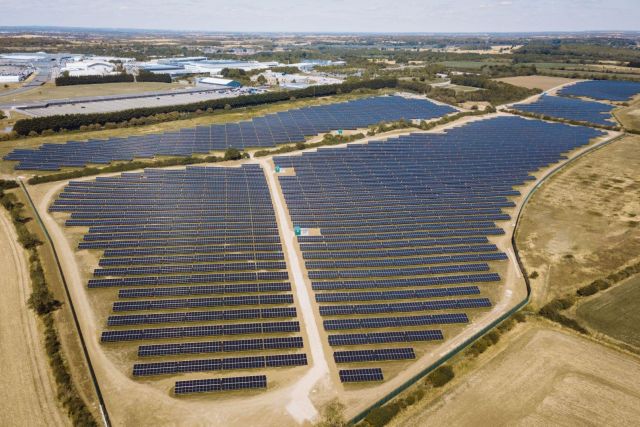
JLR has reached a significant milestone in the roll-out of its global renewable energy strategy with the opening of a new solar farm the size of up to 36 football pitches at its Gaydon headquarters in the United Kingdom (UK).
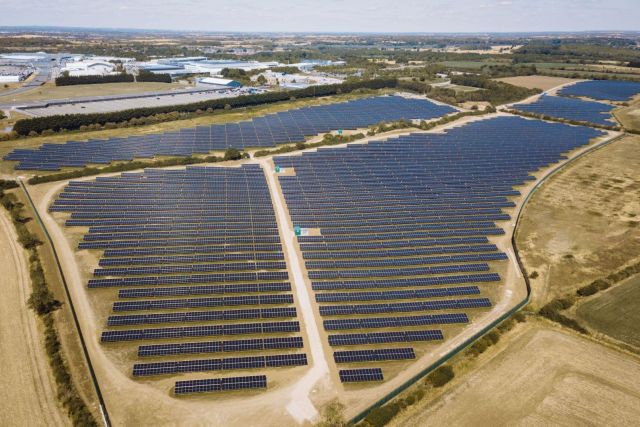
The 26-hectare, 18MW facility will supply up to 31% of the site’s energy requirements, marking the completion of the first of three of its UK solar energy projects.
Meanwhile, a newly expanded rooftop installation at the company’s Electric Propulsion Manufacturing Centre (EPMC) in Wolverhampton, UK, is due for completion this autumn. It will feature over 18 000 solar panels, making it the largest automotive manufacturing rooftop solar array in the UK.
Building on an existing rooftop array, the new 10.7MW system will generate approximately 9 512MWh of electricity annually – enough to power over 3 500* homes for a year. The combined solar capacity will meet nearly 40% of the site’s energy needs, supporting the production of electric drive units and batteries for its next generation vehicles.
JLR’s joint venture in China, CJLR, has also made considerable progress in its energy self-sufficiency with a 20MW expansion to its rooftop solar installation. Since becoming operational in May 2025, the manufacturing facility has generated over 50% of its monthly energy consumption, supporting energy saving, cost reductions and temperature regulation in the workshop thanks to additional shading.
In 2026, JLR will begin installing over 10MW of solar car ports at its Merseyside site, becoming the largest solar car port in the UK. Current plans include canopy structures across Halewood, with solar walkways from the main carparks to the site entrances, providing both employees’ and visitors’ electric vehicles charging while on the premises, as well as sheltered parking and protection against weather conditions.
The luxury car manufacturer is committed to sourcing at least one-third of its global energy needs from onsite and near-site renewables as alternatives to natural gas by 2030 - cutting emissions, enhancing energy resilience and mitigating exposure to market volatility through self-reliance.
No, the Chinese are not coming to take over – they are already busy accomplishing it.

Motorists and households already under pressure will have to dig deeper into their pockets yet again from Wednesday, with sharp fuel and energy price hikes taking effect across South Africa.

Marcia Mayaba, Commercial Director at Dunlop Tyres South Africa, has been recognised as the top achiever at the recently held Woman of Stature Awards South Africa.
 Advertisement
 Advertisement
Have you ever noticed that anybody driving slower than you is an idiot, and anyone going faster than you is a maniac?
George Carlin
Zero Carbon Charge (CHARGE) welcomes the government’s extension of short term fuel levy relief measures aimed at cushioning consumers from rising fuel prices, but cautions that these interventions do not address the underlying structural challenge facing South Africa’s transport economy.
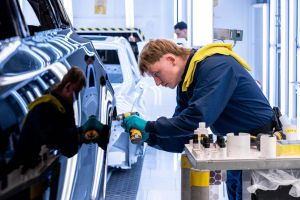
Volvo Cars has started building the fully electric EX60 at its Torslanda factory outside Gothenburg, with first customer deliveries due in early summer.
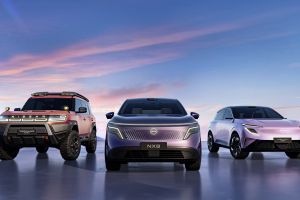
At Auto China 2026, Nissan unveiled two new NEV SUV concept cars, in its accelerated product rollout. It also highlights China’s role as one of the company’s lead markets and a global innovation and export hub, according to Nissan.