
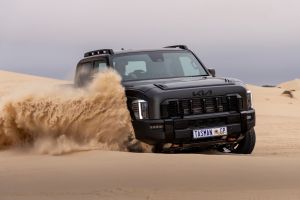
Kia’s Tasman bakkie arrives in South Africa
Kia has taken a bold step into one of South Africa’s most competitive automotive segments with the launch of the Tasman, its first-ever double cab bakkie.
- Product News
- 9 April 2026
JAC motors is the latest auto manufacturer to contribute an innovation to the EV-battery race.
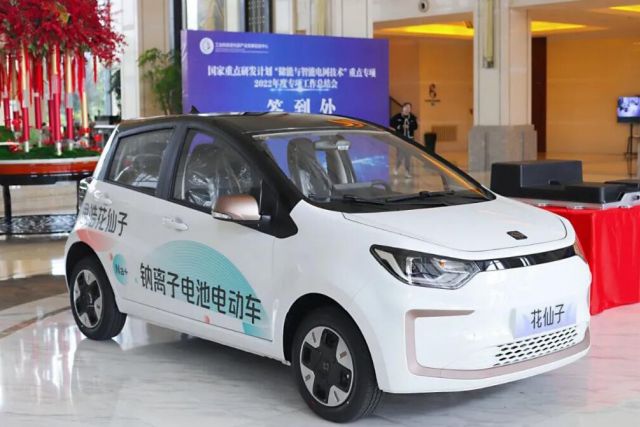
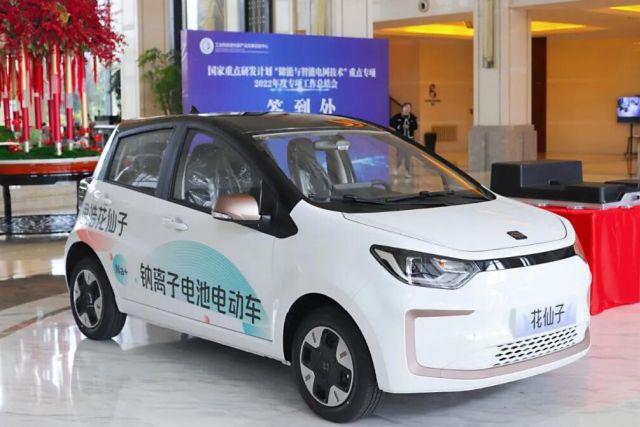
The JAC Group's joint venture with Volkswagen in China has made history by introducing the world's first electric vehicle (EV) powered by a sodium-ion battery. This milestone could be a game-changer for the electric-vehicle industry, as sodium-ion batteries offer a cheaper alternative to lithium-ion batteries.
Lithium prices surged last year, creating huge cost pressures in producing lithium-ion batteries. However, sodium-ion batteries offer better cost performance and deliver excellent cycle performance, making them a good alternative to lithium-ion batteries.
The five-seat passenger vehicle, called Hua Xianzi (flower fairy), is fitted with a 25 kilowatt-hour (kWh) Na-ion battery from HiNa Battery Technologies, which can travel up to 250 kilometres on a single charge. The Beijing-based high-tech company is affiliated with the Institute of Physics of the Chinese Academy of Sciences. It is involved in developing and commercialising sodium-ion batteries and aims to expand the new battery technology to other EV platforms, including buses, trucks and scooters.
While sodium-ion batteries have a lower energy density than lithium-ion batteries, they have other advantages, such as better low-temperature performance, charging speed, a longer lifespan, and they can be recharged more times without degradation. They are also less prone to overheating and other safety issues, making them a safer option for large-scale energy storage.
Cheaper raw materials are used in the manufacturing process of sodium-ion batteries. The scarcity and cost of lithium have been a challenge in the battery industry, with companies worldwide spending years looking for suitable alternatives. Sodium-ion battery technology has emerged as one of the most promising contenders. HiNa Battery Technology states that this breakthrough could help reduce EV production costs by ten percent.
The sodium-ion battery-powered Hua Xianzi represents an important step forward in the EV industry as sodium-ion battery technology provides a cost-effective solution that is safe, reliable and efficient. In addition, these batteries could help reduce the environmental impact of EVs.
"The future of electric vehicles looks promising with the introduction of more affordable and sustainable battery technology," says Karl-Heinz Göbel, Chief Executive Officer of JAC Motors South Africa. "With the development of new battery technology, EV pricing will become more competitive, giving more car buyers access to new-energy vehicles."
Kia has taken a bold step into one of South Africa’s most competitive automotive segments with the launch of the Tasman, its first-ever double cab bakkie.
Volkswagen Group Africa (VWGA) has reached another major milestone with the production of the 500 000th unit of the current Polo for the export market.
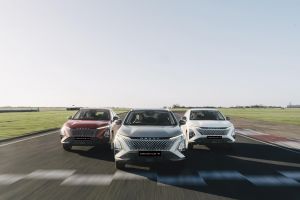
OMODA has expanded its South African lineup with the arrival of the C5 SHS hybrid, a new addition to the C5 range.
 Advertisement
Advertisement
Advertisement
Have you ever noticed that anybody driving slower than you is an idiot, and anyone going faster than you is a maniac?
George Carlin
BYD and Tesla, two giants of the electric vehicle industry, are navigating diverging challenges. BYD faces mounting competition in China and questions over its pricing strategy, while Tesla grapples with fading incentives and unsold inventory in the United States.
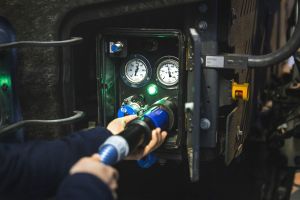
Volvo has commenced on-road testing of heavy trucks powered by hydrogen combustion engines. This pioneering solution places Volvo at the forefront of the industry, with commercial launch planned before 2030.

While rising fuel prices often trigger spikes in interest around electric vehicles, Volvo Car South Africa believes the real reasons South Africans are starting to consider EVs go far beyond the petrol pump.