

Funky wheels: China’s big drive in South Africa
No, the Chinese are not coming to take over – they are already busy accomplishing it.
- Industry News
- 4 May 2026
A new report from Deloitte reveals that motorists in the United States remain firmly attached to petrol-powered vehicles, as concerns over cost, charging infrastructure and overall value continue to slow the transition to electric cars.
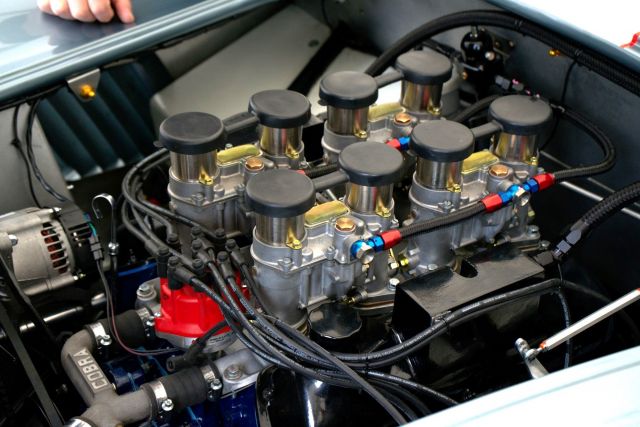
The 2026 Global Automotive Consumer Study shows that interest in traditional internal combustion engine (ICE) vehicles has remained steady, despite manufacturers ramping up their electric offerings. Around 61% of American respondents say their next purchase will be a petrol or diesel car, unchanged from last year. By contrast, enthusiasm for fully electric vehicles (EVs) has crept up only marginally, reaching 7%.
Hybrid models appear to be a more attractive compromise. Approximately one in four drivers are considering a hybrid for their next vehicle, signalling a desire for improved fuel efficiency without full reliance on charging networks.
Cost remains the most significant barrier to widespread EV adoption. Nearly half of respondents (47%) cite driving range as their primary concern, while 44% worry about charging times and 40% about the overall expense. A lack of home charging access adds further inconvenience and cost for many potential buyers.
Although lower running costs are the leading incentive for switching to electric, Deloitte notes that these savings are often offset by higher upfront prices and uncertainty around charging, particularly for those unable to install a home charger.
The study highlights a decline in brand loyalty. More than half of US consumers expect to change brands for their next car, prioritising quality, performance and price over long-standing brand attachment.
Connected technology is gaining traction, with over 50% of respondents saying regular software updates could persuade them to keep a vehicle longer, especially if updates enhance safety, security or performance.
Meanwhile, in Canada, interest in EV adoption is also cooling. However, the complexity of EV repairs means workshop time for these vehicles is increasing.
Data from Mitchell International shows that battery electric vehicles accounted for 4.91% of repairable collision claims nationwide in late 2025, a 24.3% year-on-year rise, marking a record share of overall claims as registrations climb in provinces such as British Columbia and Quebec.
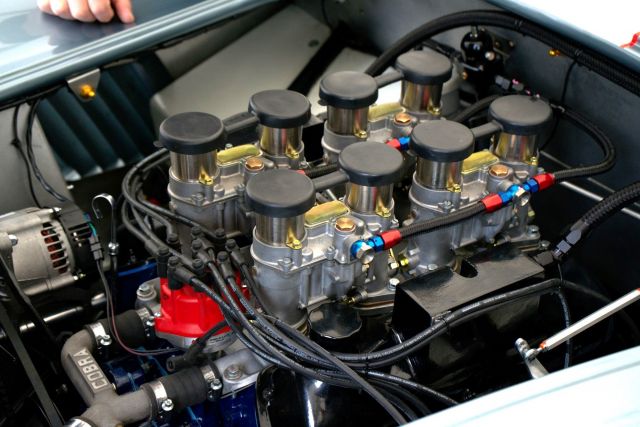
No, the Chinese are not coming to take over – they are already busy accomplishing it.

Motorists and households already under pressure will have to dig deeper into their pockets yet again from Wednesday, with sharp fuel and energy price hikes taking effect across South Africa.

Marcia Mayaba, Commercial Director at Dunlop Tyres South Africa, has been recognised as the top achiever at the recently held Woman of Stature Awards South Africa.
 Advertisement
 Advertisement
You can't buy happiness but you can buy cars and that's kind of the same thing.
Unknown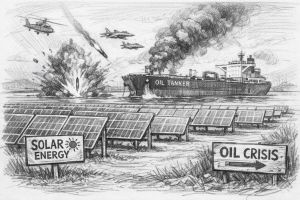
Zero Carbon Charge (CHARGE) welcomes the government’s extension of short term fuel levy relief measures aimed at cushioning consumers from rising fuel prices, but cautions that these interventions do not address the underlying structural challenge facing South Africa’s transport economy.
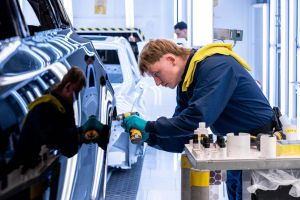
Volvo Cars has started building the fully electric EX60 at its Torslanda factory outside Gothenburg, with first customer deliveries due in early summer.
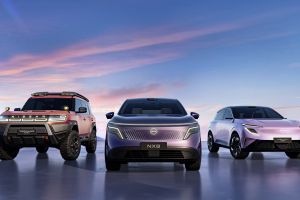
At Auto China 2026, Nissan unveiled two new NEV SUV concept cars, in its accelerated product rollout. It also highlights China’s role as one of the company’s lead markets and a global innovation and export hub, according to Nissan.