
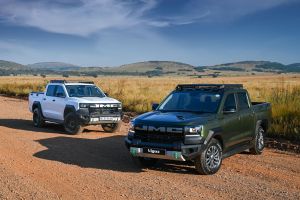
New JMC Vigus will make an impression
Following the official brand re-launch by the Salvador Caetano Group, JMC South Africa announce the arrival of the All-New JMC Vigus.
- Product News
- 17 April 2026
A new report from Deloitte reveals that motorists in the United States remain firmly attached to petrol-powered vehicles, as concerns over cost, charging infrastructure and overall value continue to slow the transition to electric cars.
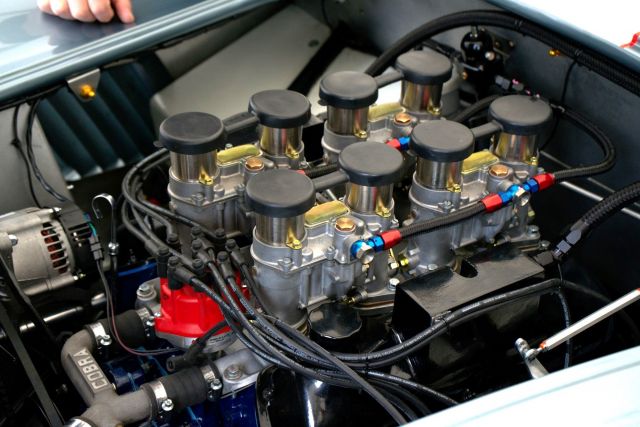
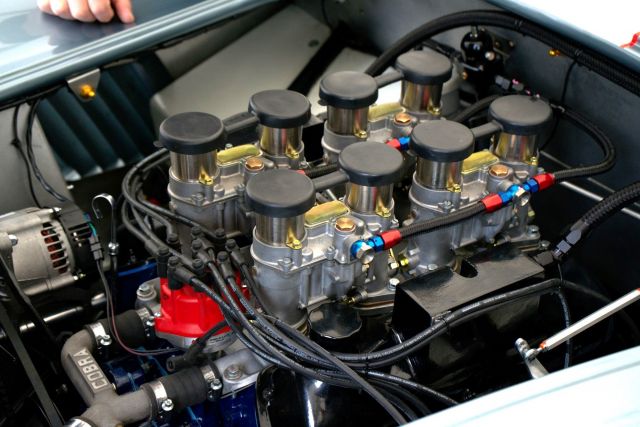
The 2026 Global Automotive Consumer Study shows that interest in traditional internal combustion engine (ICE) vehicles has remained steady, despite manufacturers ramping up their electric offerings. Around 61% of American respondents say their next purchase will be a petrol or diesel car, unchanged from last year. By contrast, enthusiasm for fully electric vehicles (EVs) has crept up only marginally, reaching 7%.
Hybrid models appear to be a more attractive compromise. Approximately one in four drivers are considering a hybrid for their next vehicle, signalling a desire for improved fuel efficiency without full reliance on charging networks.
Cost remains the most significant barrier to widespread EV adoption. Nearly half of respondents (47%) cite driving range as their primary concern, while 44% worry about charging times and 40% about the overall expense. A lack of home charging access adds further inconvenience and cost for many potential buyers.
Although lower running costs are the leading incentive for switching to electric, Deloitte notes that these savings are often offset by higher upfront prices and uncertainty around charging, particularly for those unable to install a home charger.
The study highlights a decline in brand loyalty. More than half of US consumers expect to change brands for their next car, prioritising quality, performance and price over long-standing brand attachment.
Connected technology is gaining traction, with over 50% of respondents saying regular software updates could persuade them to keep a vehicle longer, especially if updates enhance safety, security or performance.
Meanwhile, in Canada, interest in EV adoption is also cooling. However, the complexity of EV repairs means workshop time for these vehicles is increasing.
Data from Mitchell International shows that battery electric vehicles accounted for 4.91% of repairable collision claims nationwide in late 2025, a 24.3% year-on-year rise, marking a record share of overall claims as registrations climb in provinces such as British Columbia and Quebec.
Following the official brand re-launch by the Salvador Caetano Group, JMC South Africa announce the arrival of the All-New JMC Vigus.

Jetour South Africa hosted its inaugural Dealer of the Year Awards on Tuesday night, bringing together its national dealer network of nearly 60 dealerships.
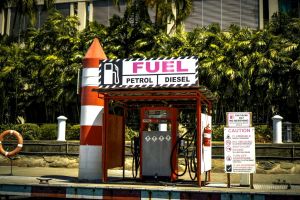
South Africa’s motorists and automotive sector are facing a fresh layer of uncertainty as the Middle East conflict continues to disrupt global oil markets, but for now the country’s fuel supply remains stable even as costs rise.
 Advertisement
 Advertisement
You can't buy happiness but you can buy cars and that's kind of the same thing.
Unknown
Geely Auto has lifted the curtain on a new hybrid technology that it believes can redraw the balance of power in a segment dominated for decades by Japanese brands.
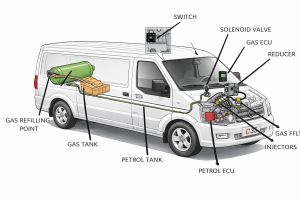
As fuel prices continue to place pressure on South African consumers and businesses, DFSK South Africa has introduced an LPG Autogas conversion solution aimed at reducing operating costs and improving vehicle efficiency across its petrol range.
Toyota Motor Corporation and Isuzu Motors are stepping up plans to bring hydrogen power into Japan’s light‑duty truck market, confirming a jointly developed fuel cell model scheduled for production in the 2027 financial year.