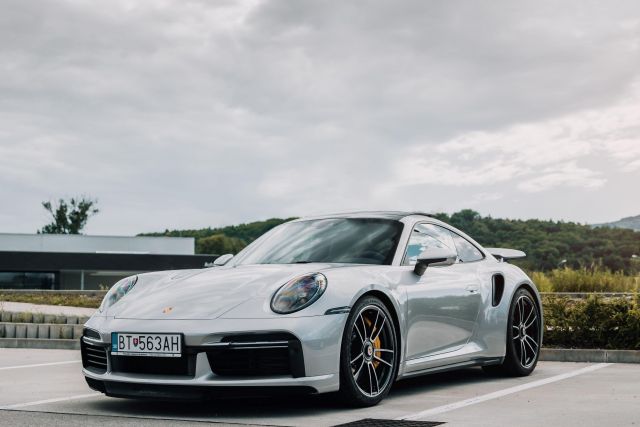
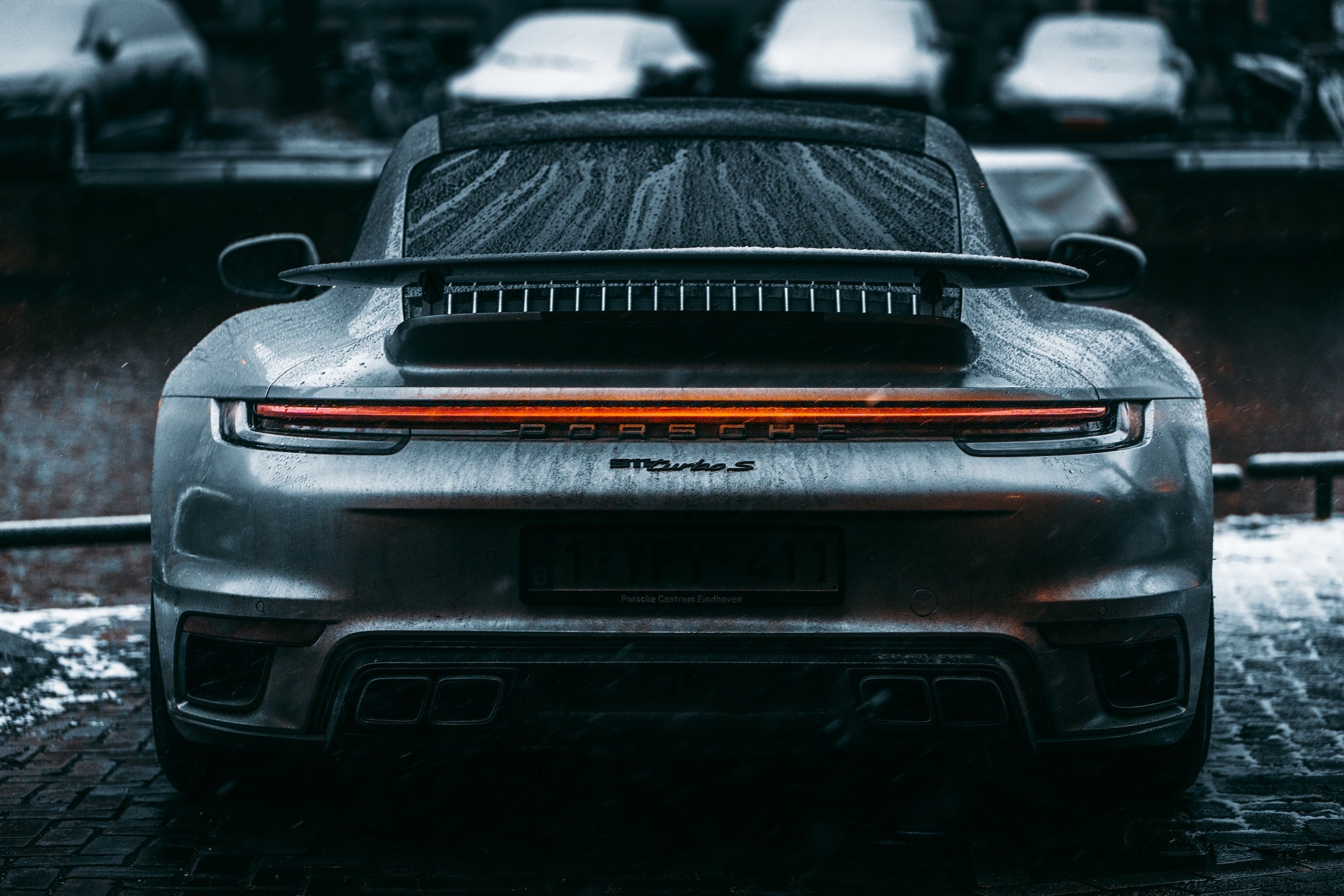
Iconic 911 to be the sole survivor of Porsche’s ICE glory days
Porsche aims to make its iconic 911 the only internal-combustion engine model left standing, according to Reuters.
Share with friends
Porsche has a plan to gradually electrify its car line-up so that electric vehicles will make up 80% of sales by 2030, a top executive said.
The German luxury automaker's plans have been closely watched, including by environmentalists, because of its investment in e-fuels, and will push for the EU to allow sales of such vehicles after 2035.
Porsche, which had not previously outlined plans to ultimately have only one combustion-engine model, is seen as closely associated with e-fuels because of an investment in Chilean energy company, HIF Global.
The automaker will electrify its compact SUV Macan, followed by the 718 sports car and then the best-selling Cayenne, Porsche e-fuels team leader Karl Dums said. The 911, which accounted for 13% of sales in 2022, is the exception.
"Our strategy in the first place is switching to electric mobility and ... we will produce the 911 as long as possible with a combustion engine. Porsche's EV plans and e-fuels investment are separate,” he said.
E-fuel is made from captured carbon dioxide and renewably produced hydrogen - when it burns it re-emits CO2, which proponents say makes it carbon-neutral.
HIF Global's e-fuel is more aimed at the aviation industry and heavy vehicles, as passenger cars will almost all go electric, Karl added.
Automotive and business experts said e-fuels would be used only in niche, high-end models. Major automakers will likely avoid new e-fuel models after 2035, having already committed $1.2 trillion to electrification.
By comparison, e-fuel start-ups – focused mostly on aviation fuel – have attracted less than $1 billion in investment, according to Pitchbook.
Like Porsche, Ferrari pushed for an EU e-fuels exemption – which has yet to be finalised – but still says 80% of its models will be electric or hybrid by 2030.
A host of smaller carmakers also want to sell luxury, high-performance e-fuel models to customers rich enough to afford the expensive fuel, which today can cost up to R228 ($12.90) per litre.
Morgan Motor Co's four-wheel cars are made by hand in Malvern, England, and little has changed externally on the cars, which sell for over R1.7 million ($100,000), since the World War II era.
Owned by European private equity firm, Investindustrial, Morgan made around 600 cars last year and is expanding into the US market, said CEO Massimo Fumarola.
Morgan will launch an electric model later this decade, but many customers will want e-fuel-powered combustion-engine models long after 2035, Massimo said.
Liverpool-based Briggs Automotive Company (BAC) makes customisable, single-seater race cars that cost an average of over R7.8 million (£350 000). It makes one or two cars a month but is expanding into many new markets, including Germany.
BAC's customers show no interest in EVs, Chairperson Mike Flewitt said.
The Kia Carens nameplate makes its return to South Africa, this time as a seven‑seater designed with families in mind. It combines Sport Utility Vehicle (SUV) styling with Multi-Purpose Vehicle (MPV) practicality, offering space, comfort and efficiency, Kia says.
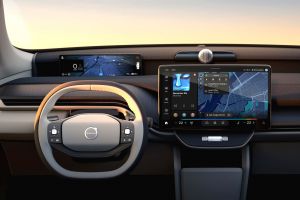
Volvo has confirmed that its vehicles will now integrate Google’s Gemini artificial intelligence system. This development builds on the company’s existing collaboration with Google, which already provides Android Automotive OS and Google services in Volvo models.
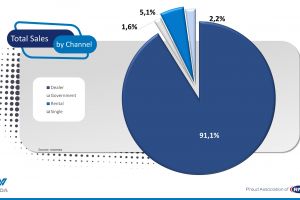
New vehicle sales in 2026 continued their positive trend in April, with the 47 979 units sold marking the best April figure since 2013. This represents a remarkable performance by local automotive retailers despite a host of economic headwinds and a challenging trading environment.
Nissan’s decision to drop a planned $500 million investment in electric vehicle (EV) production at its Canton, Mississippi plant is the latest indication that established manufacturers are reassessing how quickly the market will shift to battery power.
Zero Carbon Charge (CHARGE) welcomes the government’s extension of short term fuel levy relief measures aimed at cushioning consumers from rising fuel prices, but cautions that these interventions do not address the underlying structural challenge facing South Africa’s transport economy.
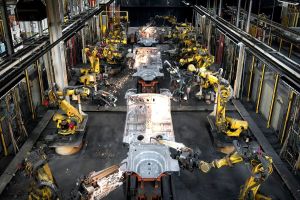
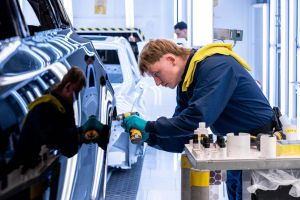
Volvo Cars has started building the fully electric EX60 at its Torslanda factory outside Gothenburg, with first customer deliveries due in early summer.