

Springboks score tries in Nissan Navara Pro4X
Two leading Springbok rugby players, Aphelele Fassi and Jordan Hendrikse, have taken delivery of their new Nissan Navara Pro4X bakkies in Durban.
- Industry News
- 12 May 2026
Honda Motor Co is taking a major step toward its ambitious goal of eliminating traffic collision fatalities through a new multi-year collaboration with AI start-up, Helm.ai. The partnership will bring advanced artificial intelligence to Honda's vehicles, making self-driving capabilities more accessible and safer for everyday consumers.
At the heart of this collaboration is Honda's commitment to developing autonomous driving technology that prioritises real-world safety over flashy features. The company's Navigate on Autopilot (NOA) system represents a conservative but comprehensive approach to self-driving, requiring constant driver attention while aiding drivers with both highway and complex urban driving scenarios.
What sets Honda's approach apart is its use of Helm.ai's vision-based artificial intelligence, which can predict vehicle paths in real-time using only cameras rather than expensive sensors like lidar. This vision-first approach, demonstrated through Helm.ai Vision unveiled in June 2025, makes advanced safety features more affordable for typical car buyers rather than limiting them to luxury vehicles.
The system uses end-to-end AI architecture that learns from massive datasets to handle everything from recognising pedestrians and cyclists to making split-second decisions about steering and braking. The AI models are specifically adapted to Honda's rigorous safety standards and will be tested extensively before deployment.
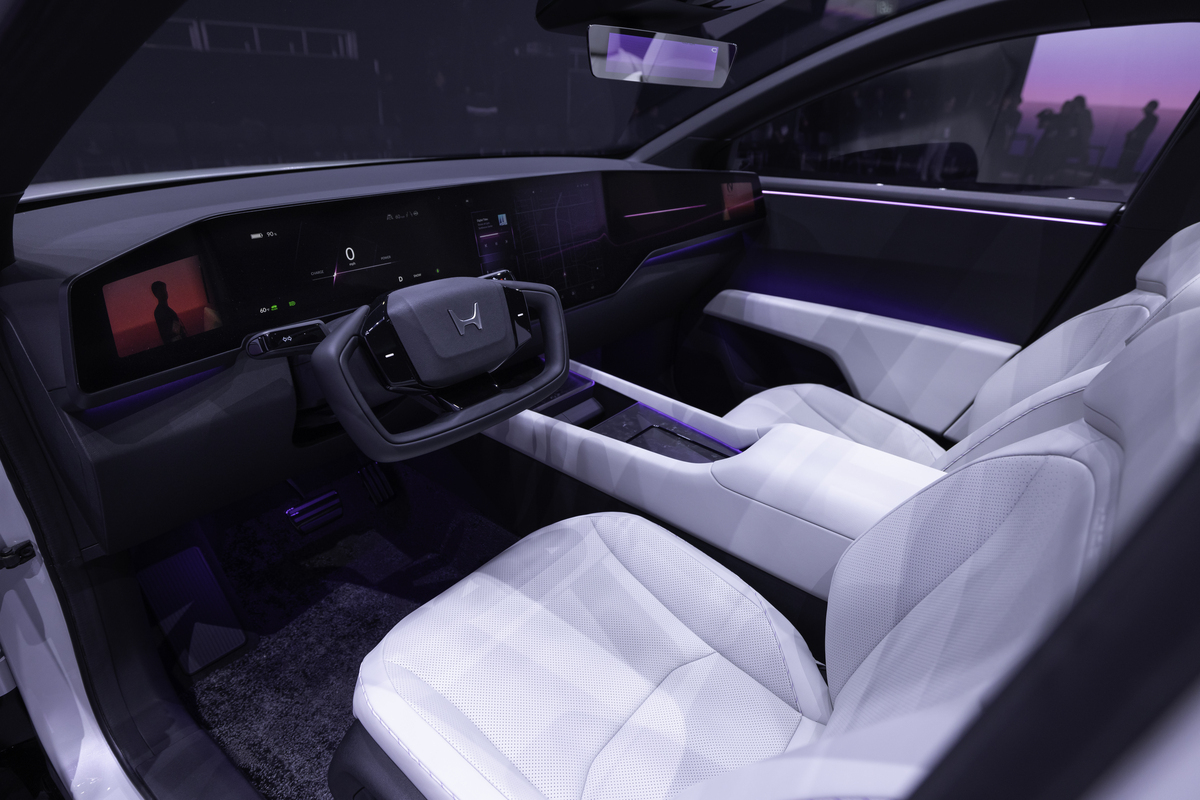
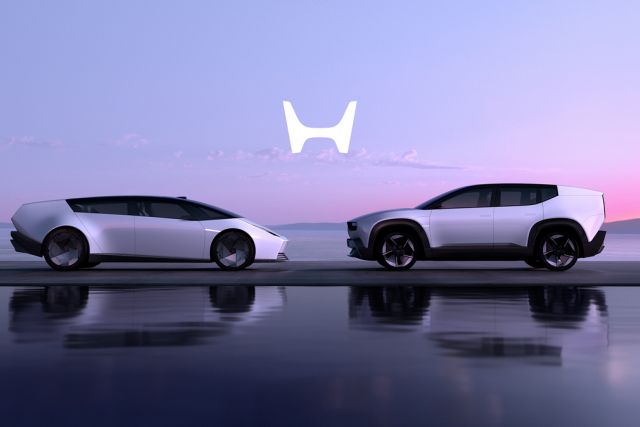
Honda plans to introduce these capabilities first in its new 0 Series electric vehicles, which will launch in 2026, with broader roll-out across all Honda models planned for after 2027. The technology will eventually assist with accelerator and steering control throughout entire trips, seamlessly transitioning between city streets and highways.
"Through our collaboration with Helm.ai, we are advancing the development of AI technologies that enhance the real-world applicability of autonomous driving systems, bringing us closer to a future with zero traffic collision fatalities," emphasised Mahito Shikama, Honda's vice president of Software Defined Vehicle Business.
This partnership builds on Honda's 2021 investment in Helm.ai and the start-up's subsequent R524 million Series B funding round. With Helm.ai having raised R1.8 billion in total, the collaboration combines Honda's automotive safety expertise with Silicon Valley's AI innovation, potentially accelerating the timeline for making roads significantly safer for all users.
Two leading Springbok rugby players, Aphelele Fassi and Jordan Hendrikse, have taken delivery of their new Nissan Navara Pro4X bakkies in Durban.
Dealership service departments know the pattern: the moment warranties and service plans expire; a portion of owners quietly migrate to the independent aftermarket.

Mercedes-Benz Vans South Africa announced its top-performing Agents and Dealers for 2025, recognising their exceptional dedication, customer service and commitment to the brand.
 Advertisement
 Advertisement
Have you ever noticed that anybody driving slower than you is an idiot, and anyone going faster than you is a maniac?
George Carlin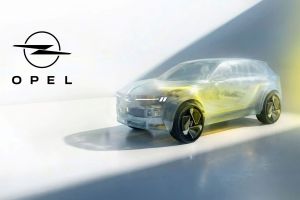
Opel has unveiled a key project under development in its model strategy: a completely new, all-electric SUV in the important and highly competitive C-segment that would extend the current line-up.
Nissan’s decision to drop a planned $500 million investment in electric vehicle (EV) production at its Canton, Mississippi plant is the latest indication that established manufacturers are reassessing how quickly the market will shift to battery power.

Zero Carbon Charge (CHARGE) welcomes the government’s extension of short term fuel levy relief measures aimed at cushioning consumers from rising fuel prices, but cautions that these interventions do not address the underlying structural challenge facing South Africa’s transport economy.