

Funky wheels: China’s big drive in South Africa
No, the Chinese are not coming to take over – they are already busy accomplishing it.
- Industry News
- 4 May 2026
Europe’s shift to electric vehicles (EVs) gathered fresh momentum at the start of 2026, as soaring petrol prices prompted drivers to rethink the cost and security of running petrol and diesel vehicles.
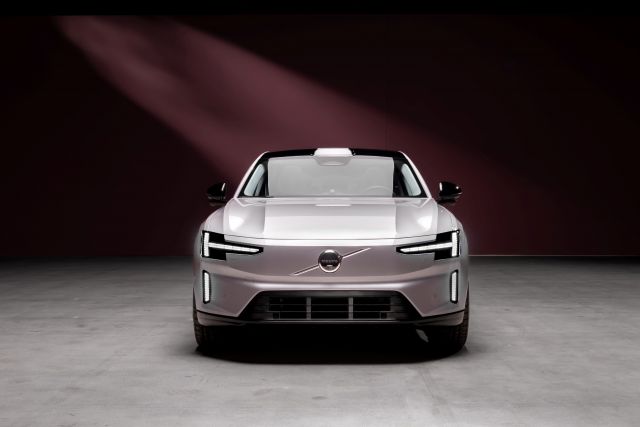
New figures show registrations of fully electric cars climbed sharply in the first quarter, marking one of the strongest periods of growth yet for battery powered transport.
Almost 560 000 battery electric vehicles were registered across major European markets between January and March, an increase of just under 30 percent compared with the same period last year.
The pace intensified in March, when registrations rose by more than 50 percent year on year, pushing electric cars above one fifth of all new vehicle sales across the EU and European Free Trade Association.
The surge has been closely linked to the steep rise in fuel prices following disruption to global oil supplies caused by the war involving Iran. With motorists facing volatile prices at the pump, electric cars are increasingly seen to stabilise household transport costs while also cutting reliance on imported oil.
Industry analysts argue the latest data points to a structural change rather than a short-lived reaction. Estimates suggest the electric cars registered in the first three months of the year could reduce Europe’s oil consumption by roughly two million barrels annually, strengthening the region’s energy resilience at a sensitive geopolitical moment.
Growth has been widespread across the continent’s largest markets. Germany, France, Spain, Italy and Poland have all recorded increases in electric car registrations of more than 40 percent so far this year. Italy, long regarded as a slower adopter, has emerged as a notable success story, with registrations rising by around two thirds and electric cars steadily gaining market share. Germany has also staged a recovery after the reintroduction of purchase incentives clarified policy support.
The United Kingdom continues to play a central role in the European market. Electric car registrations rose by nearly 13 percent in the quarter, helped by rising fuel costs and the traditional boost from the March number plate change. Electric models accounted for more than 22 percent of new car sales.
With energy security now sharing the spotlight with climate concerns, analysts expect electric vehicles to retain their appeal even if fuel prices ease, signalling a sustained shift in Europe’s car market.
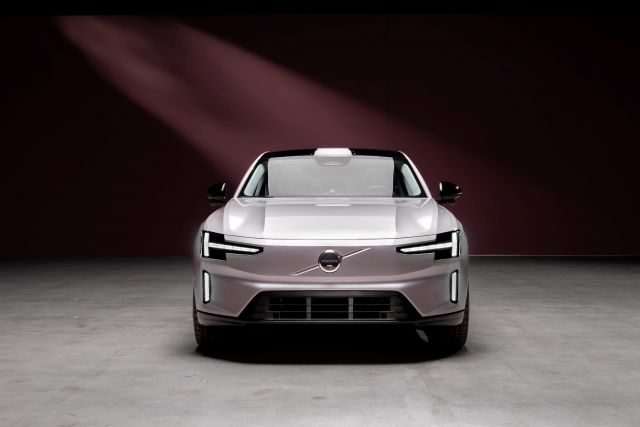
No, the Chinese are not coming to take over – they are already busy accomplishing it.
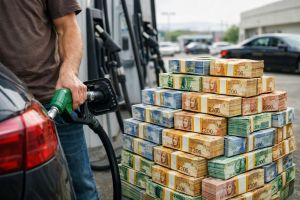
Motorists and households already under pressure will have to dig deeper into their pockets yet again from Wednesday, with sharp fuel and energy price hikes taking effect across South Africa.

Marcia Mayaba, Commercial Director at Dunlop Tyres South Africa, has been recognised as the top achiever at the recently held Woman of Stature Awards South Africa.
 Advertisement
 Advertisement
I have bad reflexes. I was once run over by a car being pushed by two guys
Woody Allen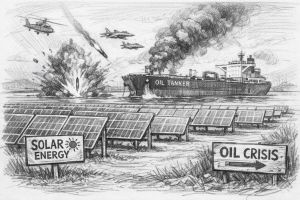
Zero Carbon Charge (CHARGE) welcomes the government’s extension of short term fuel levy relief measures aimed at cushioning consumers from rising fuel prices, but cautions that these interventions do not address the underlying structural challenge facing South Africa’s transport economy.
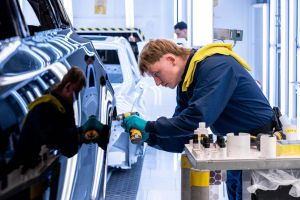
Volvo Cars has started building the fully electric EX60 at its Torslanda factory outside Gothenburg, with first customer deliveries due in early summer.
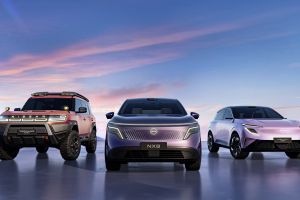
At Auto China 2026, Nissan unveiled two new NEV SUV concept cars, in its accelerated product rollout. It also highlights China’s role as one of the company’s lead markets and a global innovation and export hub, according to Nissan.