It might look like just another futuristic concept, but it is also the way forward sooner rather than later in Kia’s transition to sustainable mobility.
Share with friends
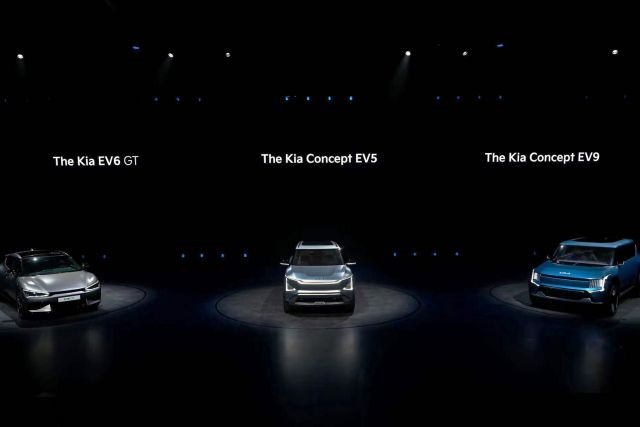
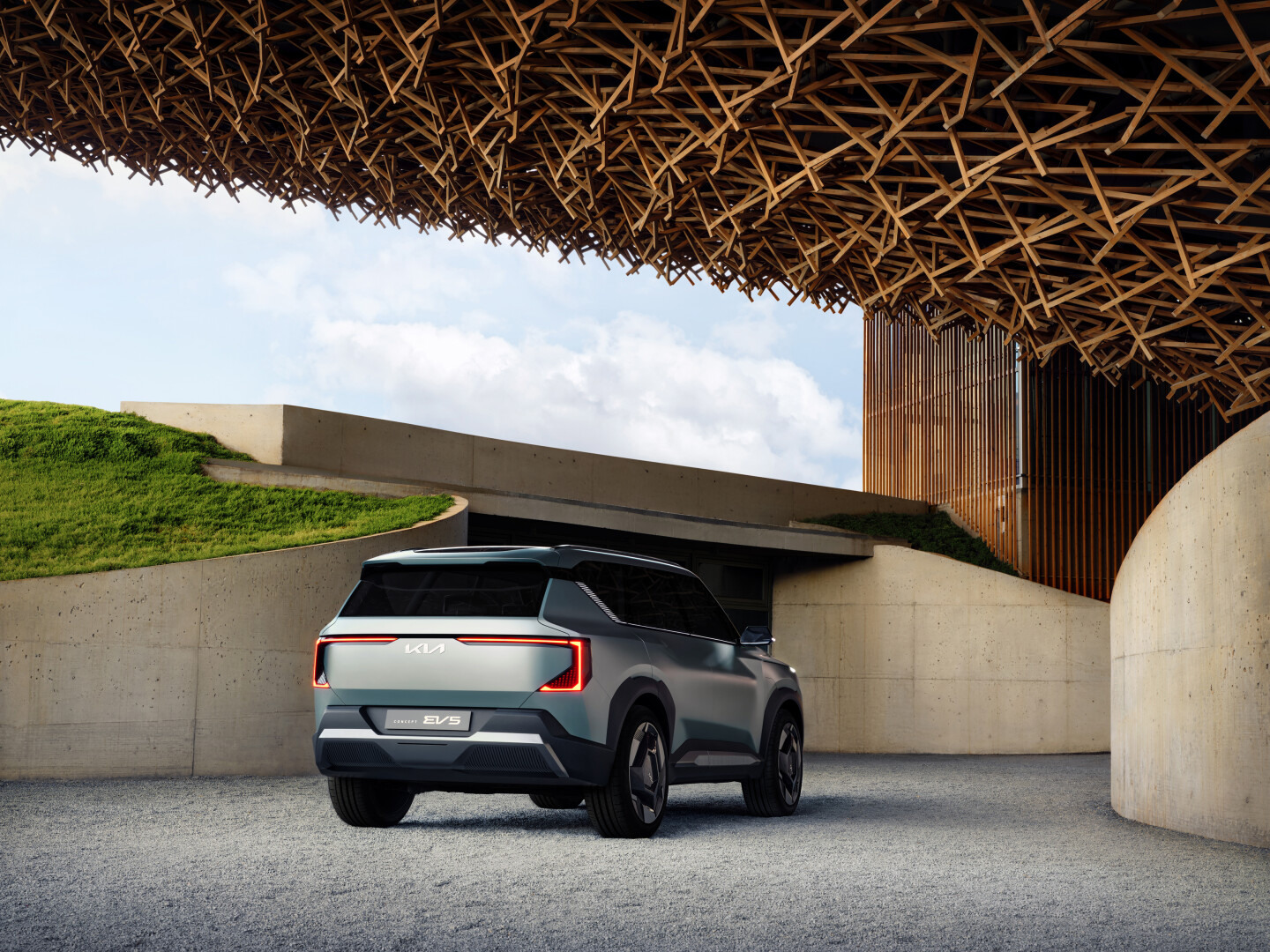
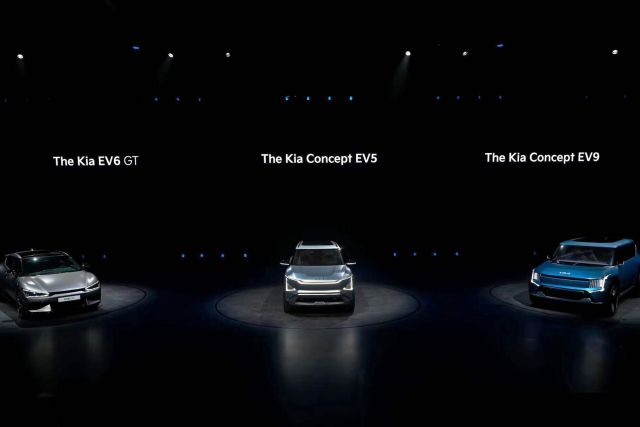
The Kia Concept EV5 is a prelude to Kia’s next dedicated EV model as a leading sustainable mobility solutions provider.
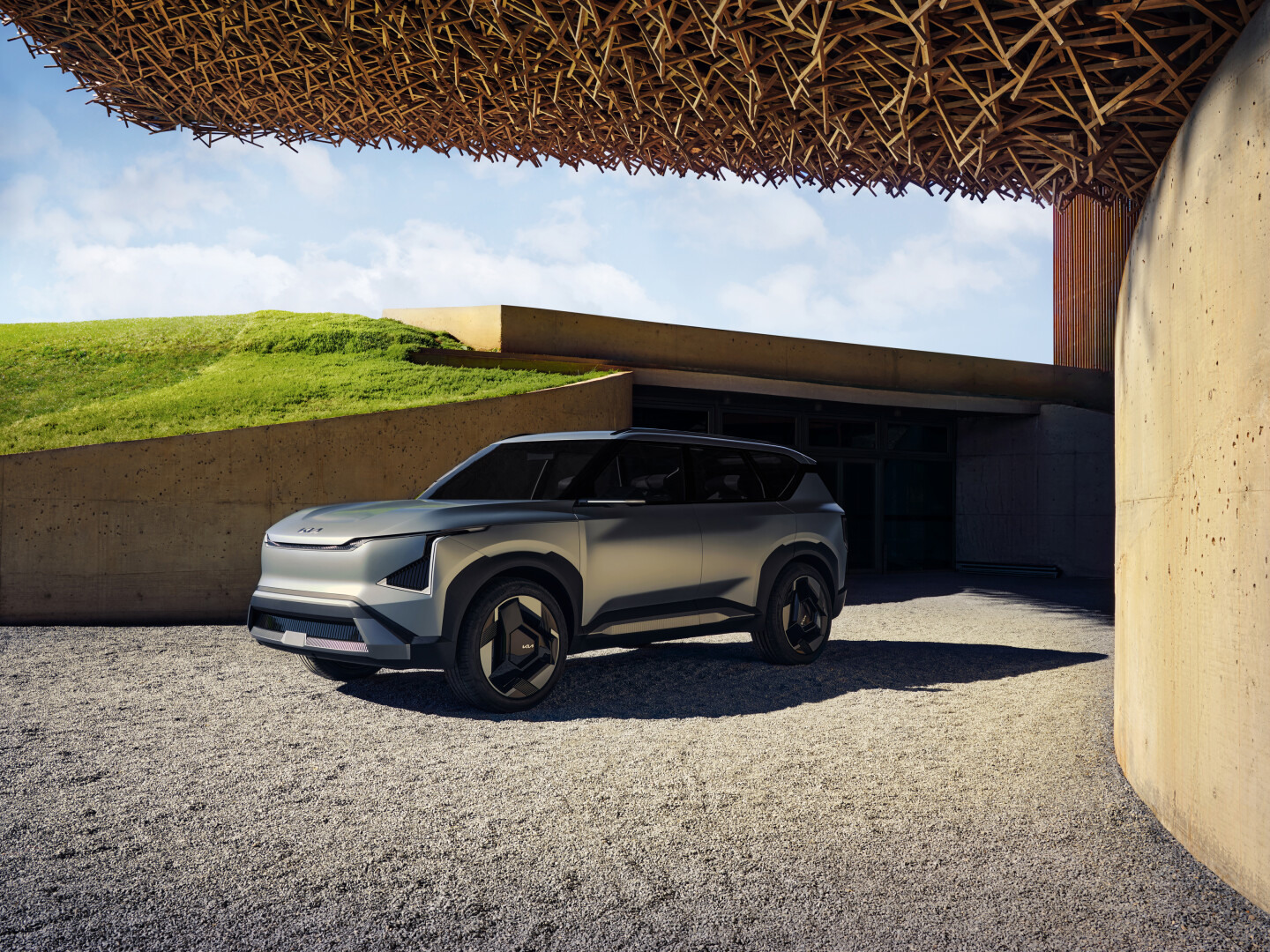
Inspired by Kia’s ‘Opposites United’ design philosophy, the Concept EV5 provides a preview of a production all-electric SUV model that will be launched first in China later this year. The Concept EV5 also heralds a new design era for Kia and gives an intriguing glimpse into the aesthetic direction of the brand’s future fully electric models.
“The Kia Concept EV5 marks yet another definitive step on our mission to become a leader in sustainable mobility solutions to provide a better future for all. Kia will enrich our customers’ lifestyles and enable them to pursue personal adventures by setting fresh standards for dynamic and efficient electric driving,” said Ho Sung Song, President and CEO of Kia Corporation.
At the front, a new form of Digital Tiger Face projects cleanness and robustness in equal measure while paying subtle homage to the famous Kia Tiger Nose grille. The confident new design is integrated with Kia’s Star Map signature lighting technology, which introduces the concept of a constellation connecting stars to a clean face.
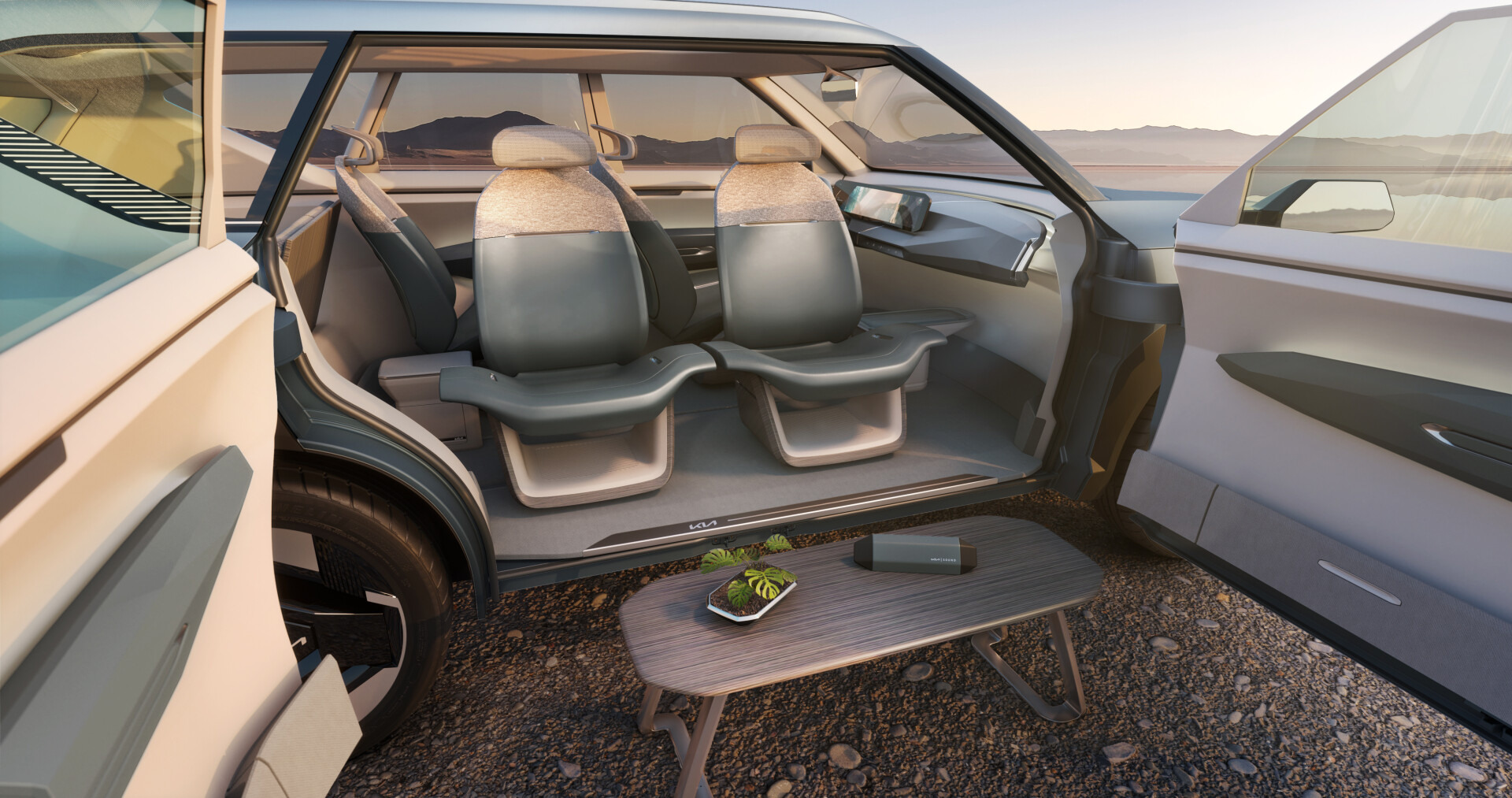
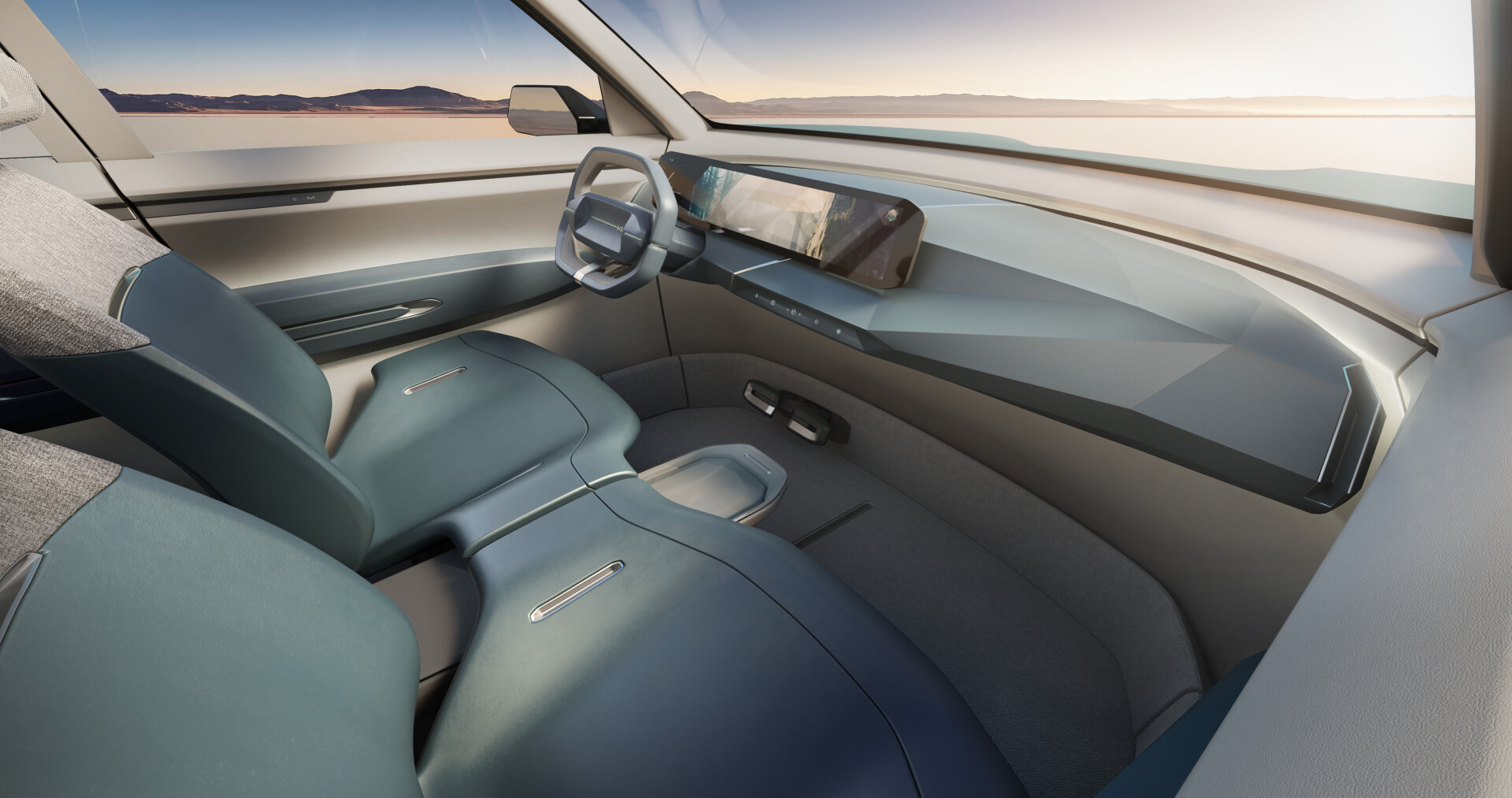
Innovative swivel seats enable occupants to sit in tranquillity and, depending on where they have parked. As darkness falls, the wide, full-length panoramic sunroof, which also acts as solar panels, provides the perfect opportunity for occupants to enjoy the sky above. The advanced bridge-lighting technology within the SUV can be adjusted to suit the needs and reflect the moods of the occupants.
In line with Kia’s determination to build its cars using methodologies and materials more in harmony with nature, a wide suite of sustainable materials are used throughout the cabin of the Concept EV5. To implement the brand’s sustainable development strategy, various sustainable items are deployed, including plant-based materials like seaweed extract and upcycled PET bottles on the seats, doors, dashboard and headliner, setting new standards of sustainability without the use of animal leather.
The production model of the EV5 will be released first in the Chinese market later this year. Details regarding any future plans for the other global markets will be made in due course.
The Kia Carens nameplate makes its return to South Africa, this time as a seven‑seater designed with families in mind. It combines Sport Utility Vehicle (SUV) styling with Multi-Purpose Vehicle (MPV) practicality, offering space, comfort and efficiency, Kia says.
Volvo has confirmed that its vehicles will now integrate Google’s Gemini artificial intelligence system. This development builds on the company’s existing collaboration with Google, which already provides Android Automotive OS and Google services in Volvo models.
New vehicle sales in 2026 continued their positive trend in April, with the 47 979 units sold marking the best April figure since 2013. This represents a remarkable performance by local automotive retailers despite a host of economic headwinds and a challenging trading environment.
Nissan’s decision to drop a planned $500 million investment in electric vehicle (EV) production at its Canton, Mississippi plant is the latest indication that established manufacturers are reassessing how quickly the market will shift to battery power.
Zero Carbon Charge (CHARGE) welcomes the government’s extension of short term fuel levy relief measures aimed at cushioning consumers from rising fuel prices, but cautions that these interventions do not address the underlying structural challenge facing South Africa’s transport economy.
Volvo Cars has started building the fully electric EX60 at its Torslanda factory outside Gothenburg, with first customer deliveries due in early summer.