
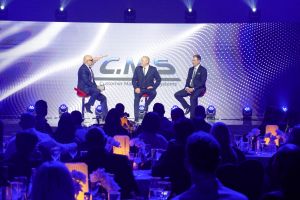
CMS Systems marks 25 years in automotive retail technology
CMS Systems is celebrating 25 years in business, marking a significant milestone for a company that has become a central player in automotive retail technology.
- Industry News
- 24 April 2026
Various international motoring news outlets have reported that Ford will henceforth offer two different battery chemistries on its electric vehicles (EV).
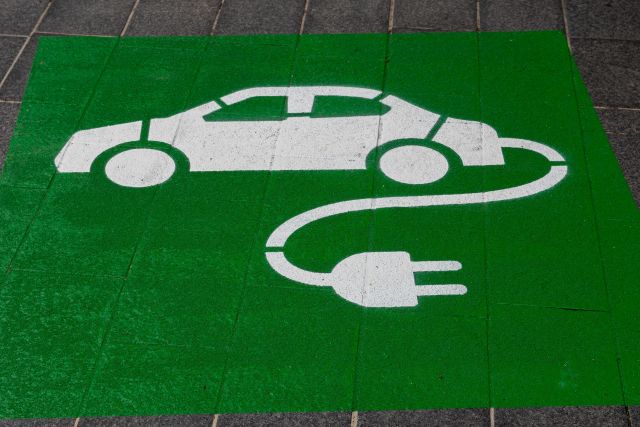
This comes as the company introduces a lower-cost, shorter-range alternative to the battery pack currently used.
Ford made it clear though, that customers, of whom many were new to EVs, would not be burdened with having to make difficult decisions as to which type would be more suitable for their needs as the options will be woven into already-established configurations based on battery range.
Currently, Ford is using batteries in its EVs that contain nickel cobalt manganese chemistry but come spring, they will offer the less expensive lithium iron phosphate chemistry on its Mustang Mach-E. In 2024, it will also be introduced into the company’s F-150 Lightning.
Not only are these batteries low cost, but they are more durable and recharge faster, which is ideal for vehicles that are used for short trips, as opposed to nickel cobalt manganese batteries, which offer a longer range and are more energy dense. The latter are more suitable for customers who need to make long trips, tow or haul.
Customers would, however, continue to only have to make the simple choice between a standard-range or extended-range battery. Standard range will automatically get the lithium iron phosphate version, while extended range will get the nickel cobalt manganese version.
CMS Systems is celebrating 25 years in business, marking a significant milestone for a company that has become a central player in automotive retail technology.
Oil prices jumped on Wednesday after Iran's seizure of container ships in the strait.
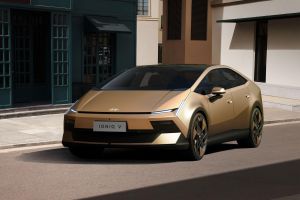
Hyundai Motor is preparing an aggressive comeback in China, unveiling plans to launch 20 new vehicles over the next five years as it tries to rebuild its position in the world’s largest car market.
 Advertisement
 Advertisement
I have bad reflexes. I was once run over by a car being pushed by two guys
Woody Allen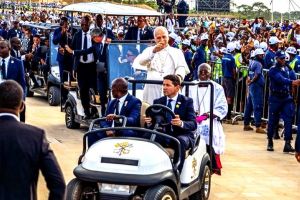
Supporting the Pope on Africa soil in or on vehicles assembled on the continent, is the story of OPAIA Motors.
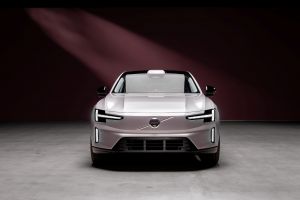
Europe’s shift to electric vehicles (EVs) gathered fresh momentum at the start of 2026, as soaring petrol prices prompted drivers to rethink the cost and security of running petrol and diesel vehicles.
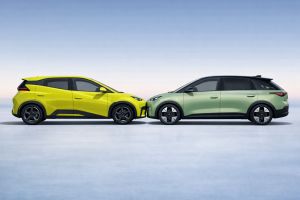
Two years ago, the cheapest mainstream electrical vehicles (EVs) in South Africa were mostly premium products priced well above R700 000.