

CMS Systems marks 25 years in automotive retail technology
CMS Systems is celebrating 25 years in business, marking a significant milestone for a company that has become a central player in automotive retail technology.
- Industry News
- 24 April 2026
Electric vehicles (EVs) outsold petrol‑only cars in the European Union (EU) for the first time in December, marking a symbolic milestone in the bloc’s transition towards cleaner transportation.
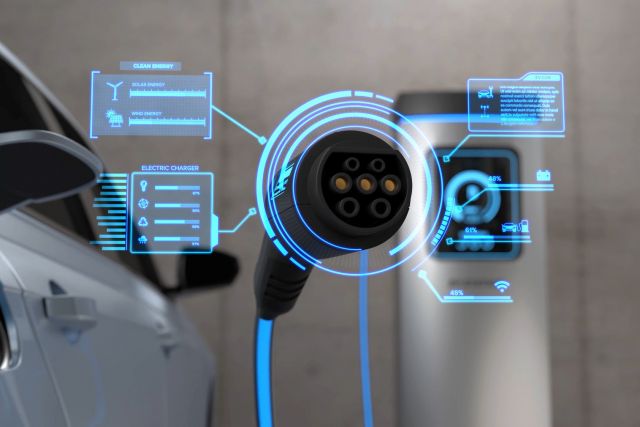
New figures from ACEA show that fully electric models captured 22.6% of new registrations, narrowly surpassing petrol cars at 22.5%, while hybrids remained the dominant force with a commanding 44% share.
The shift comes as EU lawmakers debate softening planned emissions regulations, a move that would give combustion‑engine cars a longer stay on the market. Industry observers warn, however, that December’s result reflects more than consumer preference alone.
Analyst Matthias Schmidt noted that declining petrol numbers partly stem from certain models being reclassified as “mild hybrids”, a category that still centres on petrol engines but offers only marginal emissions benefits. He believes electric vehicles may still need around five years to genuinely outpace combustion engines across all European markets.
Across the wider region, including the United Kingdom (UK) and Norway, car sales recorded their sixth consecutive month of year‑on‑year growth. The competitive landscape is also shifting rapidly, with Chinese manufacturers such as BYD, Changan and Geely expanding aggressively, challenging established European marques. Volkswagen and BMW continue to introduce new electric models as they face mounting pressure from foreign rivals and the profitability challenges of the EV market.
The EU’s December proposal to abandon its effective 2035 ban on combustion‑engine cars underscores these tensions. Yet sector specialists remain upbeat about electric vehicle uptake. Chris Heron of E‑Mobility Europe highlighted the arrival of more affordable European-made EVs alongside renewed government incentives, pointing to growing public enthusiasm and confident projections for further expansion into 2026.
Performance among individual carmakers varied: Volkswagen and Stellantis posted healthy registration increases, Renault slipped slightly, while Tesla saw a significant decline. BYD, meanwhile, recorded a dramatic surge as it tightened its grip on the European market.
Overall, Europe’s December registrations showed strong gains for electric, plug‑in hybrid and hybrid models, which together accounted for two‑thirds of new cars, a clear sign that the continent’s transition to cleaner motoring is continuing to gather momentum.
CMS Systems is celebrating 25 years in business, marking a significant milestone for a company that has become a central player in automotive retail technology.
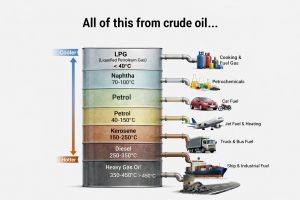
Oil prices jumped on Wednesday after Iran's seizure of container ships in the strait.
Hyundai Motor is preparing an aggressive comeback in China, unveiling plans to launch 20 new vehicles over the next five years as it tries to rebuild its position in the world’s largest car market.
 Advertisement
Advertisement
Advertisement
Have you ever noticed that anybody driving slower than you is an idiot, and anyone going faster than you is a maniac?
George Carlin
Supporting the Pope on Africa soil in or on vehicles assembled on the continent, is the story of OPAIA Motors.
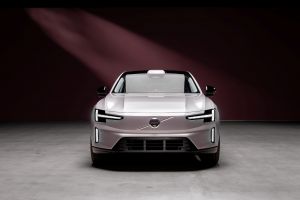
Europe’s shift to electric vehicles (EVs) gathered fresh momentum at the start of 2026, as soaring petrol prices prompted drivers to rethink the cost and security of running petrol and diesel vehicles.
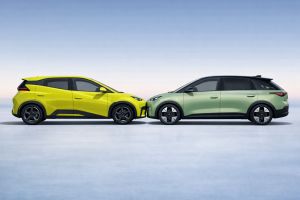
Two years ago, the cheapest mainstream electrical vehicles (EVs) in South Africa were mostly premium products priced well above R700 000.