
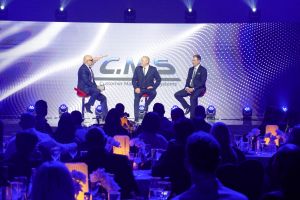
CMS Systems marks 25 years in automotive retail technology
CMS Systems is celebrating 25 years in business, marking a significant milestone for a company that has become a central player in automotive retail technology.
- Industry News
- 24 April 2026
Ethiopia’s decision to prohibit the import of petrol and diesel vehicles in 2024 has set in motion a rapid restructuring of its transport sector, prompting a remarkable surge in the adoption of electric vehicles (EV).

The ban came into effect during a period of economic strain, following the country’s sovereign bond default and heightened dependence on costly fuel imports.
Alongside the ban, the government introduced reduced tariffs that favoured EV purchases. Import duties were fixed at 15 percent for fully assembled electric cars, 5 percent for semi assembled units and zero for kits destined for local assembly. These adjustments helped narrow the price gap between new EVs and the previously dominant used petrol cars.
Chinese brands are at the forefront of the shift. A BYD Seagull, for instance, now sells for about R370 000 (3.6 million birr), a competitive price that reflects the lowered tariff scheme. Used petrol sedans that once exceeded R433 000 (4.2 million birr) are becoming less attractive by comparison.
The policy has stimulated industrial activity too. Seventeen EV assembly facilities already operate across the country, and the government intends to expand this number to sixty by 2030 as part of a longer term electrification strategy.
Ethiopia’s efforts are tied closely to its broader economic recovery. After defaulting in 2023, the country entered a R54.3 billion ($3.4 billion) programme with the International Monetary Fund (IMF) in 2024 to restore financial stability. Reductions in fuel imports are a key component of this fiscal adjustment.
The availability of low cost hydropower enhances the viability of electric transport. Electricity produced from the Grand Ethiopian Renaissance Dam costs about R1.60 ($0.10) per kWh, allowing EV charging to remain affordable relative to petrol consumption.
Although the number of public charging stations has grown to around 500, most are located in Addis Ababa, the capital city, illustrating the challenge of expanding infrastructure beyond the capital. With roughly half of the population still lacking access to electricity, widespread national adoption of EVs will require broader grid development.
Despite these limitations, Ethiopia’s early transition signals a significant reorientation of its transport policy. By replacing imported fuel with domestically sourced electricity, the country aims to strengthen its energy security while nurturing a new industrial base.

CMS Systems is celebrating 25 years in business, marking a significant milestone for a company that has become a central player in automotive retail technology.
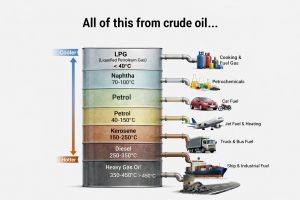
Oil prices jumped on Wednesday after Iran's seizure of container ships in the strait.
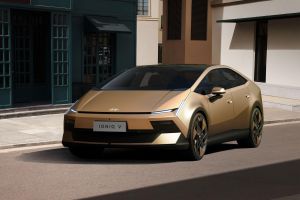
Hyundai Motor is preparing an aggressive comeback in China, unveiling plans to launch 20 new vehicles over the next five years as it tries to rebuild its position in the world’s largest car market.
 Advertisement
Advertisement
Advertisement
Have you ever noticed that anybody driving slower than you is an idiot, and anyone going faster than you is a maniac?
George Carlin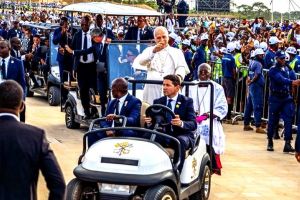
Supporting the Pope on Africa soil in or on vehicles assembled on the continent, is the story of OPAIA Motors.
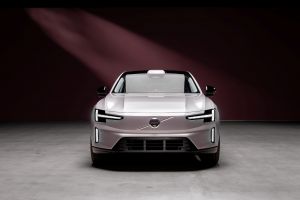
Europe’s shift to electric vehicles (EVs) gathered fresh momentum at the start of 2026, as soaring petrol prices prompted drivers to rethink the cost and security of running petrol and diesel vehicles.
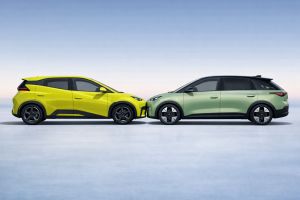
Two years ago, the cheapest mainstream electrical vehicles (EVs) in South Africa were mostly premium products priced well above R700 000.