

CMS Systems marks 25 years in automotive retail technology
CMS Systems is celebrating 25 years in business, marking a significant milestone for a company that has become a central player in automotive retail technology.
- Industry News
- 24 April 2026
As South Africa forges ahead in the automotive landscape, a notable divide has emerged in the growing realm of new-energy vehicles.

With a surge in interest towards plug-in hybrid vehicles (PHEVs), experts warn that this trend may be more of a hindrance than a help, particularly when contrasted with the benefits provided by battery-electric vehicles (EVs).
Recent analyses by the International Council on Clean Transportation (ICCT) underscore the compelling advantages of BEVs, raising questions about the long-term viability of hybrid technology.
“In recent months, South Africa’s market has been seeing an increased uptake of plug-in hybrid vehicles, yet these vehicles combine the worst of both worlds,” says Hiten Parmar, Executive Director of The Electric Mission.
“While these might address perceived range anxiety concerns, they are counter to the claimed benefits as marketed by vehicle manufacturers.”
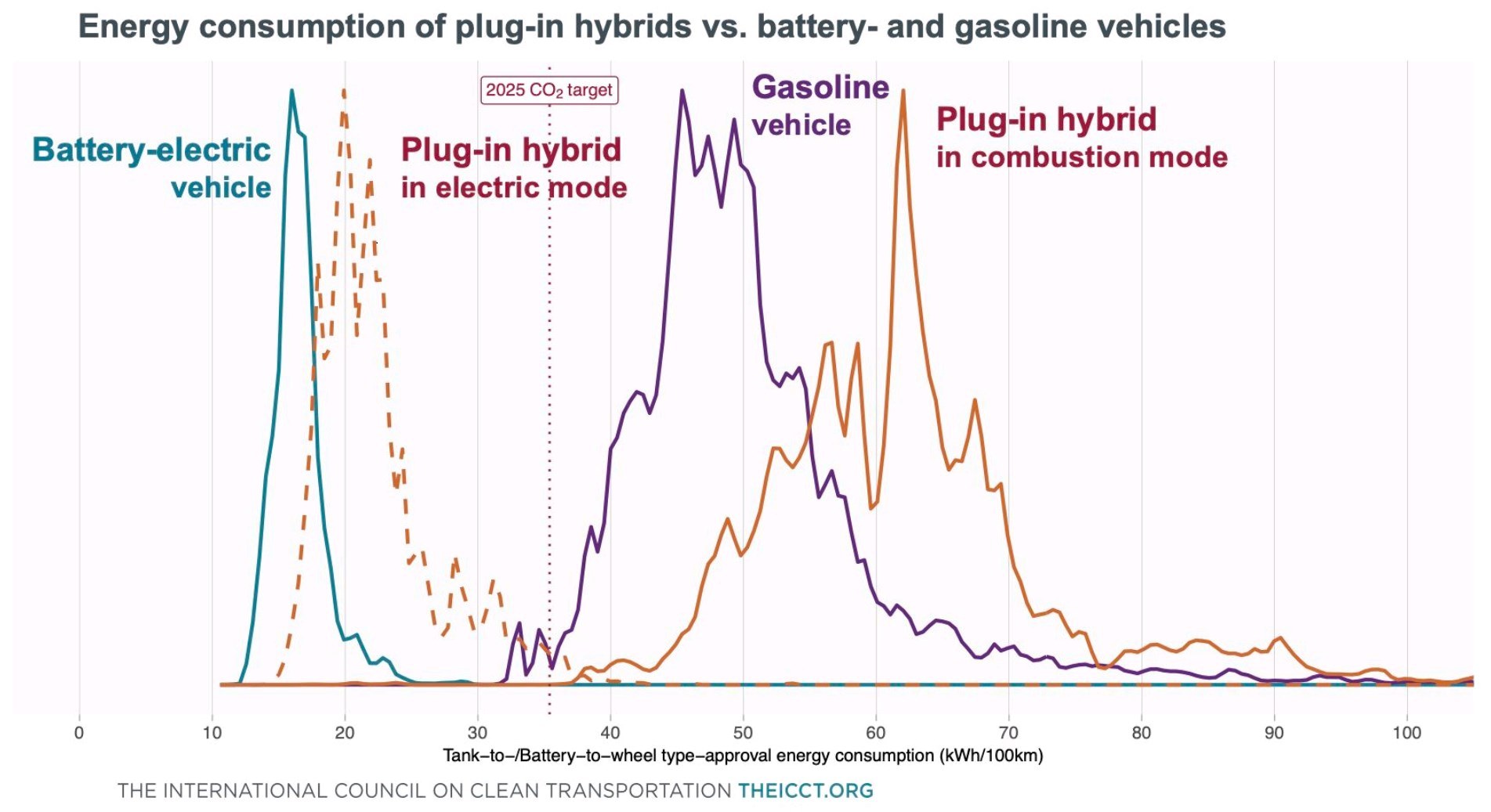
The dichotomy becomes clear when delving into real-world data. Evidence reveals that when PHEVs are operated in their electric mode, their energy consumption exceeds that of modern battery-electric vehicles.
“Conversely, when they shift into combustion mode, PHEVs exhibit not only higher fuel consumption but also significantly elevated CO2 emissions, sometimes up to five times higher than what manufacturers advertise. Such discrepancies highlight a troubling trend in automotive marketing and consumer understanding.
“The hybrid design comes at a significant cost,” he explains. “The additional weight drives inefficiency, and the costs to run the vehicle are much higher than a battery-electric model, as it must adhere to standard internal combustion maintenance cycles and carry both a battery and a fuel tank.”
While PHEVs were initially touted as a bridge towards sustainable transport, their ability to reduce local air pollution, especially in dense urban environments, is markedly inferior to that of zero emission vehicles (battery-electric or fuel-cell electric). The overarching objective of zero-emission transport is to foster cleaner air in cities, a goal increasingly compromised by the adoption of hybrids.
However, the silver lining remains in the shape of battery-electric vehicles. Currently, even the most basic EV available in South Africa is entirely capable of covering the average distances required for daily commutes.
With the added convenience and cost-effectiveness of home-based charging, consumers are encouraged to reconsider their choices in the burgeoning electric vehicle market.
Experts advocate for a shift towards EVs, aligning with overall operational savings for users, while addressing concerns about emissions and efficiency head-on.

CMS Systems is celebrating 25 years in business, marking a significant milestone for a company that has become a central player in automotive retail technology.
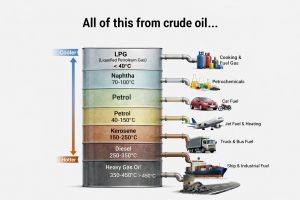
Oil prices jumped on Wednesday after Iran's seizure of container ships in the strait.
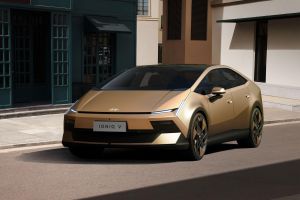
Hyundai Motor is preparing an aggressive comeback in China, unveiling plans to launch 20 new vehicles over the next five years as it tries to rebuild its position in the world’s largest car market.
 Advertisement
 Advertisement
I have bad reflexes. I was once run over by a car being pushed by two guys
Woody Allen
Supporting the Pope on Africa soil in or on vehicles assembled on the continent, is the story of OPAIA Motors.
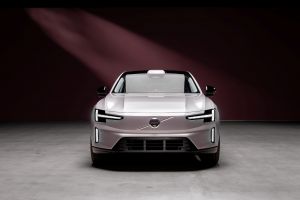
Europe’s shift to electric vehicles (EVs) gathered fresh momentum at the start of 2026, as soaring petrol prices prompted drivers to rethink the cost and security of running petrol and diesel vehicles.
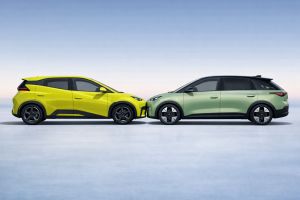
Two years ago, the cheapest mainstream electrical vehicles (EVs) in South Africa were mostly premium products priced well above R700 000.