
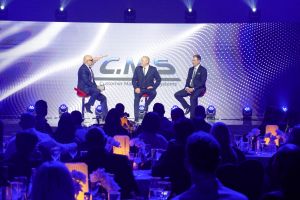
CMS Systems marks 25 years in automotive retail technology
CMS Systems is celebrating 25 years in business, marking a significant milestone for a company that has become a central player in automotive retail technology.
- Industry News
- 24 April 2026
After a 4-month journey covering more than 16 000km from Morocco to South Africa, the four fully-electric Citroën Amis, La Croisière Verte (Green cruise), have successfully completed their expedition, proving the feasibility of micro-mobility and electrification across diverse terrains.
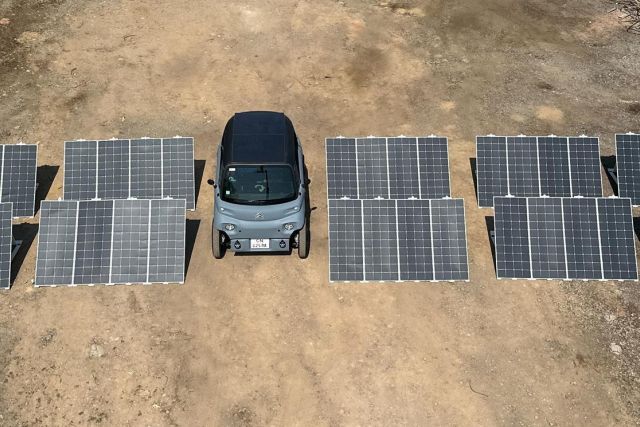
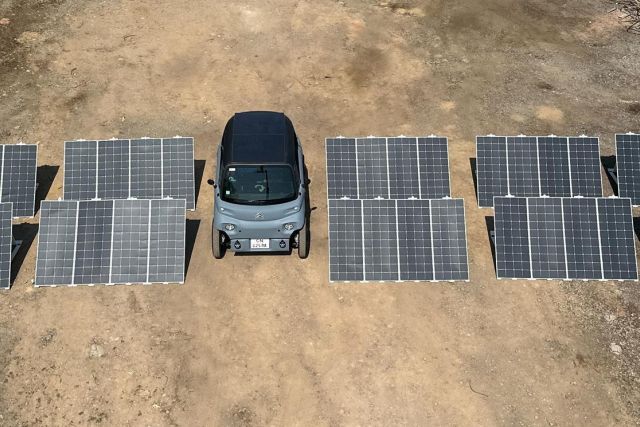
Powered solely by renewable energy, this expedition has not only demonstrated the strength of electric vehicles but has also reinforced Stellantis MEA's vision for a more sustainable and accessible mobility future.
A century after André Citroën’s legendary expedition, La Croisière Verte has redefined long-distance travel by relying exclusively on green energy. Departing from Ouarzazate in Morocco, on 28 October 2024, the convoy of four specially modified Citroën Amis crossed 16 countries before reaching their final destination in Cape Town on 28 February 2025. With no carbon emissions, this journey stands as a world first, highlighting the potential of electric mobility even in the most challenging environments.
Samir Cherfan, Chief Operating Officer of Stellantis Middle East & Africa, stated: "This expedition embodies the core values of Stellantis MEA—innovation, sustainability and accessibility. By proving that electric mobility is viable even in the most challenging conditions, we reinforce our commitment to a cleaner, more sustainable future for mobility across Africa. With Eric and his team’s success, La Croisiére Verte is a milestone that will inspire further advancements in electric transport across the region."
The Citroën Ami's success in covering this vast distance demonstrates the reliability and efficiency of electric technology. Travelling through Morocco, Mauritania, Senegal, Guinea, Ivory Coast, Ghana, Togo, Benin, Nigeria, Cameroon, Gabon, Congo, the Democratic Republic of Congo, Angola, Namibia and South Africa, the expedition demonstrated that electric mobility is not just a concept for urban environments but a practical solution for global transport needs.
Key milestones of the adventure include:
By successfully crossing Africa in a compact, fully electric vehicle, Citroën Ami has challenged perceptions of what is possible with sustainable mobility.
CMS Systems is celebrating 25 years in business, marking a significant milestone for a company that has become a central player in automotive retail technology.
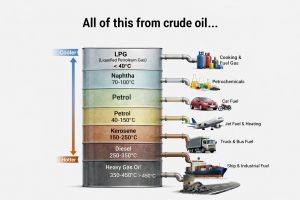
Oil prices jumped on Wednesday after Iran's seizure of container ships in the strait.
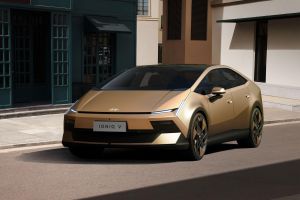
Hyundai Motor is preparing an aggressive comeback in China, unveiling plans to launch 20 new vehicles over the next five years as it tries to rebuild its position in the world’s largest car market.
 Advertisement
 Advertisement
I have bad reflexes. I was once run over by a car being pushed by two guys
Woody Allen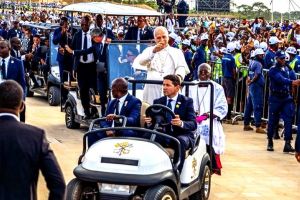
Supporting the Pope on Africa soil in or on vehicles assembled on the continent, is the story of OPAIA Motors.
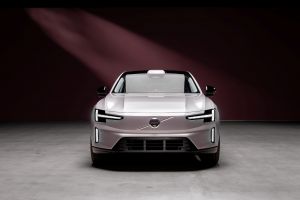
Europe’s shift to electric vehicles (EVs) gathered fresh momentum at the start of 2026, as soaring petrol prices prompted drivers to rethink the cost and security of running petrol and diesel vehicles.
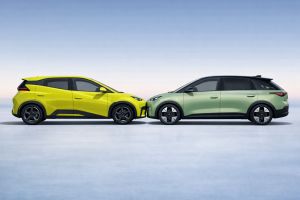
Two years ago, the cheapest mainstream electrical vehicles (EVs) in South Africa were mostly premium products priced well above R700 000.