
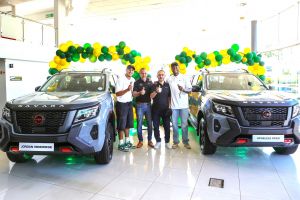
Springboks score tries in Nissan Navara Pro4X
Two leading Springbok rugby players, Aphelele Fassi and Jordan Hendrikse, have taken delivery of their new Nissan Navara Pro4X bakkies in Durban.
- Industry News
- 12 May 2026
After a 4-month journey covering more than 16 000km from Morocco to South Africa, the four fully-electric Citroën Amis, La Croisière Verte (Green cruise), have successfully completed their expedition, proving the feasibility of micro-mobility and electrification across diverse terrains.
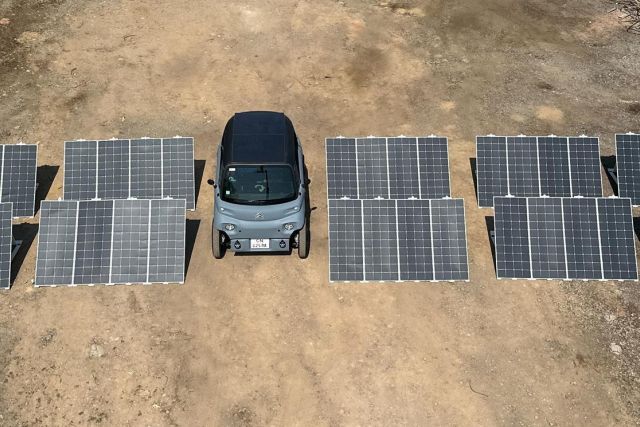
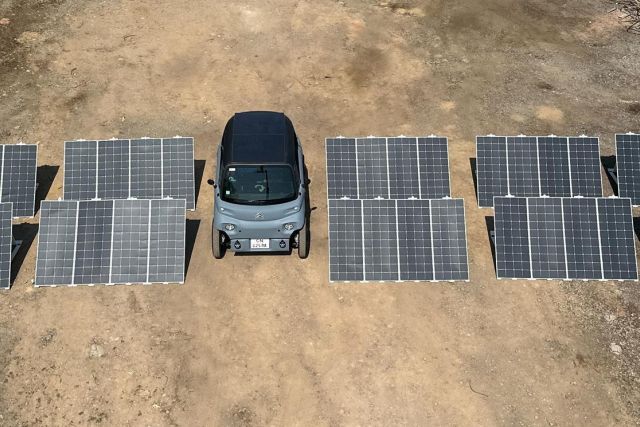
Powered solely by renewable energy, this expedition has not only demonstrated the strength of electric vehicles but has also reinforced Stellantis MEA's vision for a more sustainable and accessible mobility future.
A century after André Citroën’s legendary expedition, La Croisière Verte has redefined long-distance travel by relying exclusively on green energy. Departing from Ouarzazate in Morocco, on 28 October 2024, the convoy of four specially modified Citroën Amis crossed 16 countries before reaching their final destination in Cape Town on 28 February 2025. With no carbon emissions, this journey stands as a world first, highlighting the potential of electric mobility even in the most challenging environments.
Samir Cherfan, Chief Operating Officer of Stellantis Middle East & Africa, stated: "This expedition embodies the core values of Stellantis MEA—innovation, sustainability and accessibility. By proving that electric mobility is viable even in the most challenging conditions, we reinforce our commitment to a cleaner, more sustainable future for mobility across Africa. With Eric and his team’s success, La Croisiére Verte is a milestone that will inspire further advancements in electric transport across the region."
The Citroën Ami's success in covering this vast distance demonstrates the reliability and efficiency of electric technology. Travelling through Morocco, Mauritania, Senegal, Guinea, Ivory Coast, Ghana, Togo, Benin, Nigeria, Cameroon, Gabon, Congo, the Democratic Republic of Congo, Angola, Namibia and South Africa, the expedition demonstrated that electric mobility is not just a concept for urban environments but a practical solution for global transport needs.
Key milestones of the adventure include:
By successfully crossing Africa in a compact, fully electric vehicle, Citroën Ami has challenged perceptions of what is possible with sustainable mobility.
Two leading Springbok rugby players, Aphelele Fassi and Jordan Hendrikse, have taken delivery of their new Nissan Navara Pro4X bakkies in Durban.
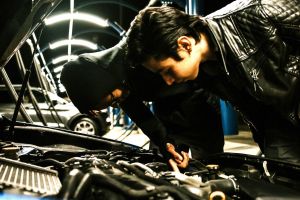
Dealership service departments know the pattern: the moment warranties and service plans expire; a portion of owners quietly migrate to the independent aftermarket.
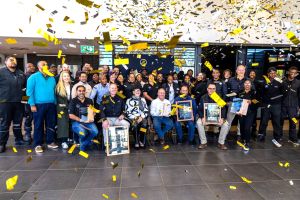
Mercedes-Benz Vans South Africa announced its top-performing Agents and Dealers for 2025, recognising their exceptional dedication, customer service and commitment to the brand.
 Advertisement
 Advertisement
You can't buy happiness but you can buy cars and that's kind of the same thing.
Unknown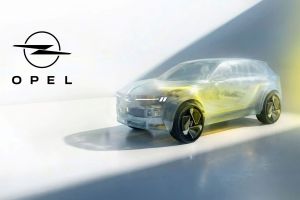
Opel has unveiled a key project under development in its model strategy: a completely new, all-electric SUV in the important and highly competitive C-segment that would extend the current line-up.
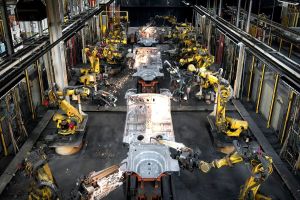
Nissan’s decision to drop a planned $500 million investment in electric vehicle (EV) production at its Canton, Mississippi plant is the latest indication that established manufacturers are reassessing how quickly the market will shift to battery power.

Zero Carbon Charge (CHARGE) welcomes the government’s extension of short term fuel levy relief measures aimed at cushioning consumers from rising fuel prices, but cautions that these interventions do not address the underlying structural challenge facing South Africa’s transport economy.