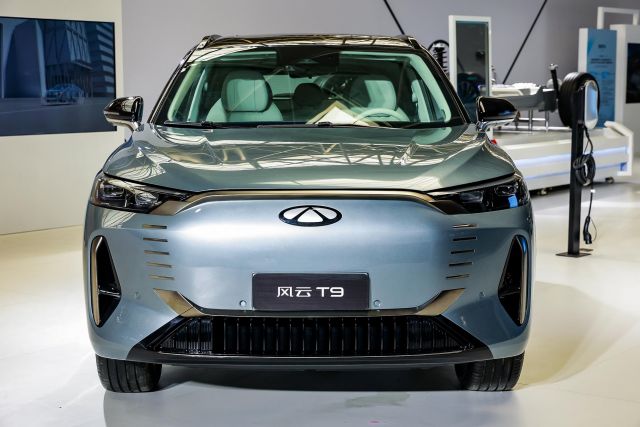
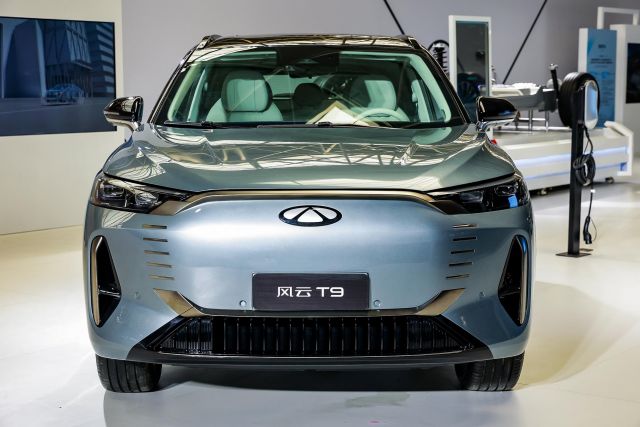
Chery says it is ready to “strike on all fronts” with a range of new energy vehicles (NEV) slated for introduction in 2024.
Share with friends
The group – officially the largest vehicle exporter in China – reaffirmed its commitment to introduce hybrid (HEV), plug-in hybrid (PHEV), battery electric (BEV) and other NEV models to international markets in the coming year.
“Chery has outperformed the South African market consistently over the past two years, and we believe that we can further accelerate our sales performance by entering the NEV market.
“As our short history in South Africa has shown, we do not simply enter a new market segment with a new model. We compete aggressively by offering some of the best specifications, the best possible warranty and the best possible range of value-added products.
“This has allowed us not only to win sales from competitor brands, but also to grow the market segment that we have entered,” says Tony Liu, Deputy Executive General Manager of Chery South Africa.
Chery is ready to introduce different new energy drivetrains to markets around the world in 2024.
In China, Chery has seen significant sales growth in the NEV market with its range of PHEV and BEV models. It includes its new Tiggo 7 Pro and Tiggo 8 Pro Plug-in Hybrid Electric Vehicles.
For instance, in November, Chery sold 212 076 vehicles. This is an increase of 111% over the same month last year and it is an all-time monthly record for the brand. Total sales for Chery in 2023, including PHEV and EV models in its domestic market, are up by 47.8% to 1 665 626 vehicles.
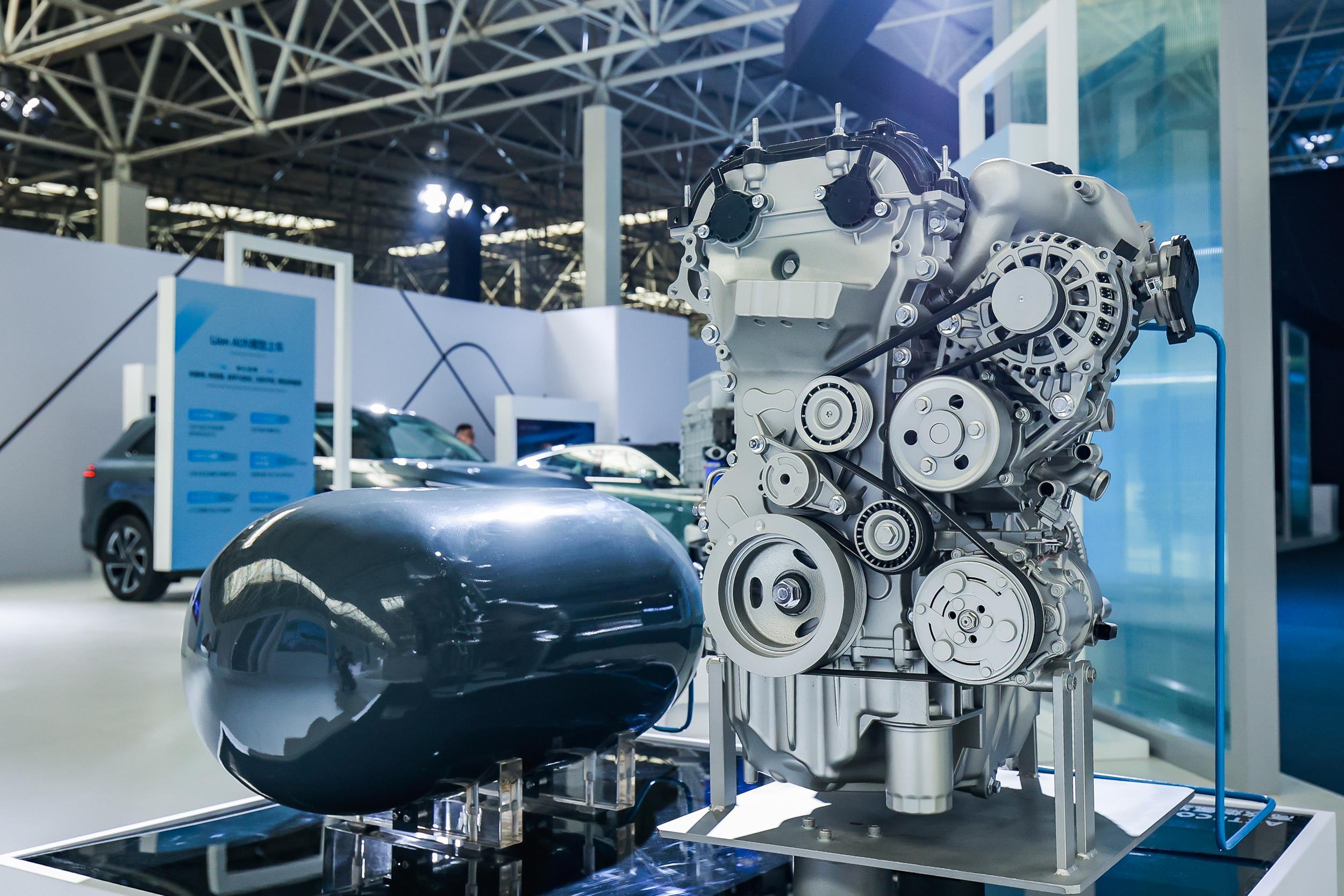
The Tiggo PHEV models use a proprietary hybrid system that was developed by Chery and tested for over five million kilometres and 30 000 hours. This makes the new Chery PHEV system one of the most comprehensively tested propulsion systems in the history of the automotive world.
At the heart of this system is a new dual electric motor system with a clean-burning turbo-petrol internal combustion engine. The system is a full hybrid, which means that it can run on electricity alone, combine both power units or use the internal combustion engine alone.
“One of the many benefits of the extensive testing of the hybrid system is that our Chery engineers were able to develop very specific driving modes for every use case. This is built into the hybrid system and the vehicle will switch between the systems automatically,” says Tony.
“In our real-world testing, the new PHEV Tiggo models offer a range of close to 1 000 kilometres. We cannot wait to introduce them in South Africa,” he says.
The Kia Carens nameplate makes its return to South Africa, this time as a seven‑seater designed with families in mind. It combines Sport Utility Vehicle (SUV) styling with Multi-Purpose Vehicle (MPV) practicality, offering space, comfort and efficiency, Kia says.
Volvo has confirmed that its vehicles will now integrate Google’s Gemini artificial intelligence system. This development builds on the company’s existing collaboration with Google, which already provides Android Automotive OS and Google services in Volvo models.
New vehicle sales in 2026 continued their positive trend in April, with the 47 979 units sold marking the best April figure since 2013. This represents a remarkable performance by local automotive retailers despite a host of economic headwinds and a challenging trading environment.
Nissan’s decision to drop a planned $500 million investment in electric vehicle (EV) production at its Canton, Mississippi plant is the latest indication that established manufacturers are reassessing how quickly the market will shift to battery power.
Zero Carbon Charge (CHARGE) welcomes the government’s extension of short term fuel levy relief measures aimed at cushioning consumers from rising fuel prices, but cautions that these interventions do not address the underlying structural challenge facing South Africa’s transport economy.
Volvo Cars has started building the fully electric EX60 at its Torslanda factory outside Gothenburg, with first customer deliveries due in early summer.