According to a report released by S&P Global Mobility on Tuesday, 29 November, Tesla is losing share to competitors’ models that retail for less than $50 000 (approximately R850 000).
The loss in share comes despite Tesla Inc CEO Elon Musk’s vision of the Model 3 being a “people’s EV”. Currently the Model 3 is retailing for $50 000, while the popular Model Y crossover retails for more than $65 000 (R1.1 million).
According to the report, some of the models retailing at less than $50 000 that are raining on Tesla’s parade include the Ford Mustang Mach-E, Hyundai Ioniq 5, Chevrolet Bolt and Nissan Leaf.
But Tesla is also under fire at the high-end luxury vehicle side of the market.
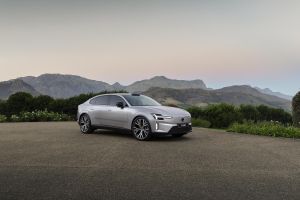
“Luxury EVs from Mercedes-Benz, BMW, Audi, Polestar, Lucid and Rivian — as well as big-ticket items like the Ford F-150 Lightning, GMC Hummer and Chevrolet Silverado EV [pick-ups] — will plague Tesla at the high end of the market,” says S&P Global.
Currently, Tesla has 65% of the total EV market share in the US followed by Ford (7%), Kia (5%), Hyundai (4%), Chevrolet (4%), Audi (2%), Volkswagen (2%) and Rivian (2%).
In 2020, Tesla’s EV market share was 79% and it is expected that by 2025 it will fall by another 20%, according to the report.