The Development Bank of Southern Africa (DBSA) and Zero Carbon Charge (CHARGE) have signed definitive agreements.
Share with friends
This follows the DBSA’s initial approval of the investment on 29 April 2025, which was subject to final agreements and the satisfaction of conditions precedent. Over recent months, the DBSA concluded its due diligence to ensure that the project is fully prepared and ready for immediate implementation.
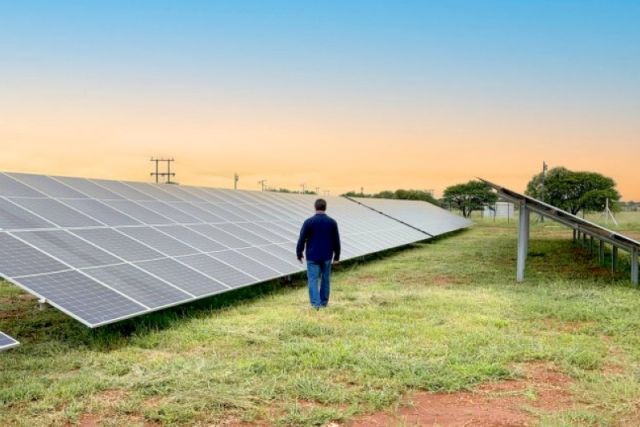
CHARGE is South Africa’s first and only company building a nationwide network of entirely off-grid, solar-powered, ultra-fast electric vehicle (EV) charging stations. Each site is designed to provide reliable renewable energy, enhance consumer confidence in electric mobility and generate inclusive economic opportunities for rural landowners and local communities.
With the DBSA approval and investment now actioned, CHARGE will begin construction of its next sites along the N3 corridor, linking Johannesburg and Durban. This will be followed by the N1 corridor linking Johannesburg and Cape Town, laying the foundation for a new era of renewable powered transport infrastructure in South Africa.
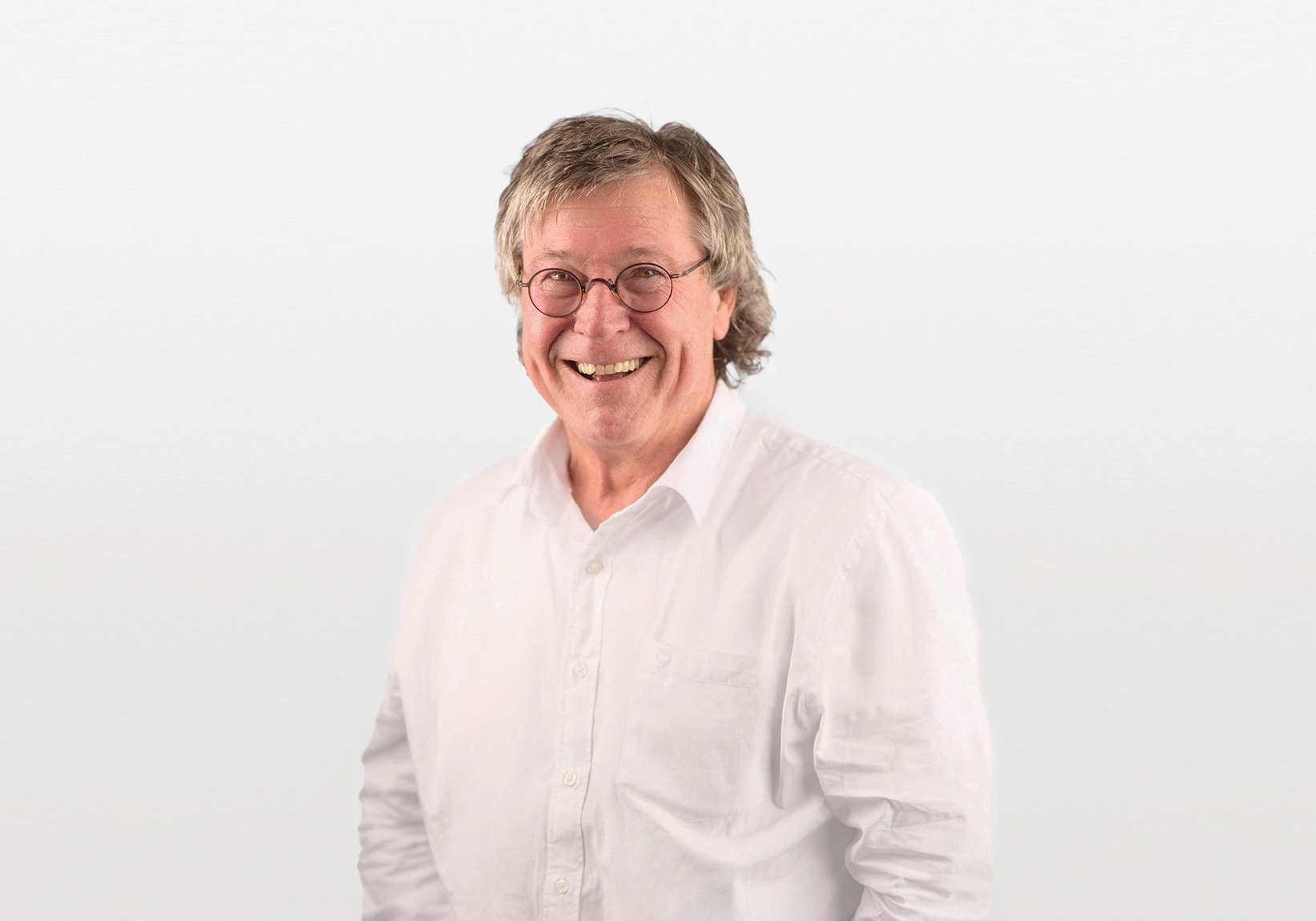
Joubert Roux, Co-founder of CHARGE.
“At the DBSA, we are committed to backing catalytic projects that stimulate both economic growth and societal benefit,” says Spiwe Sibanda from the DBSA. “CHARGE’s off-grid charging model is a future-proof solution that supports the expansion of South Africa’s electric vehicle market while strengthening consumer trust in green energy and mobility.
The process of finalising financial closure was supported by Absa’s Corporate and Investment Banking Division (Absa CIB), which played a critical role in advising CHARGE through the two-year journey towards bankability and investment readiness.
Commenting on the conclusion of the agreement, the Head of Advisory at Absa CIB says: “Absa believes in the future of sustainability, and CHARGE embodies this vision. Its model aligns with our values and South Africa’s long-term economic prospects, which is why we are proud to have supported this landmark transaction.”
Reflecting on the milestone, Joubert Roux, Co-Founder of CHARGE, added: “We are grateful to both the DBSA and Absa for their unwavering support in helping us reach this milestone. Our first station was built as a self-funded proof of concept to showcase our dream to all, and today, this investment validates our business model as the future of South Africa’s green transport infrastructure.”
Motus Retail has officially opened its first dedicated Mahindra dealership in the Western Cape, located in Tygervalley. Martin Smit will lead the team as Dealer Principal.
We Buy Cars has continued its involvement in youth skills development, with a recent group of learners completing sponsored programmes in partnership with SA Business School.
Geely Auto has lifted the curtain on a new hybrid technology that it believes can redraw the balance of power in a segment dominated for decades by Japanese brands.
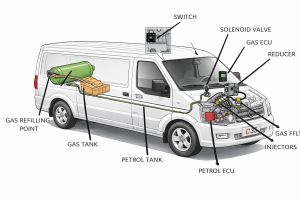
As fuel prices continue to place pressure on South African consumers and businesses, DFSK South Africa has introduced an LPG Autogas conversion solution aimed at reducing operating costs and improving vehicle efficiency across its petrol range.