
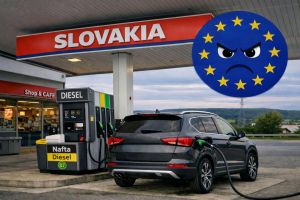
Slovakia faces EU backlash over diesel restrictions
Slovakia’s emergency fuel restrictions have drawn sharp criticism from the European Commission (EC), which argues that the measures breach single market rules.
- Industry News
- 26 March 2026
Zero Carbon Charge (CHARGE), developer of a national network of off-grid, solar-powered electric vehicle (EV) charging stations, has formally submitted an objection to the South African National Roads Agency Limited’s (SANRAL) proposed amendments to its Rest and Service Facilities (RSF) Policy.
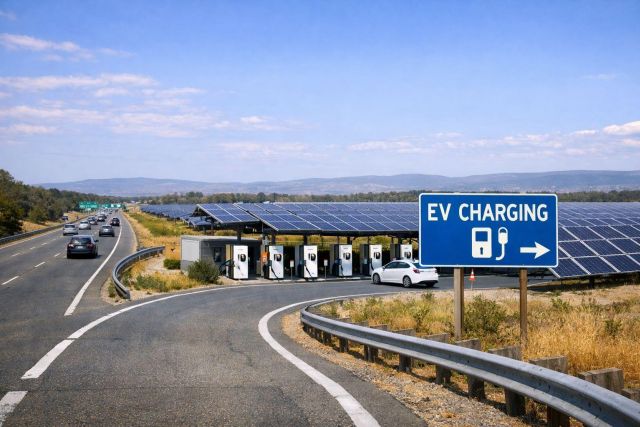
In its submission, CHARGE argues that the draft policy, in its current form, risks undermining private sector investment, delaying critical infrastructure rollout, and creating regulatory uncertainty at a pivotal moment in South Africa’s transition to electric mobility.
CHARGE’s submission raises several core objections to the draft policy, including:
CHARGE cautions that these issues could have unintended consequences for South Africa’s broader economic and energy objectives.
“The rollout of EV charging infrastructure is time-sensitive and capital-intensive. It depends on a policy environment that is clear, lawful and supportive of investment,” said Joubert Roux, Co-Founder and Chair of CHARGE. “In its current form, the proposed RSF policy introduces uncertainty and overreach that could significantly constrain progress at a time when fuel prices are spiking, and electric mobility is critical to be independent and safeguarded from geopolitical volatility.”
CHARGE has called for the RSF policy to be revised to align strictly with SANRAL’s legislated mandate, limiting its scope to:
In addition, CHARGE has recommended that the policy:
CHARGE’s off-grid EV charging network is designed to support long-distance EV uptake, EV travel, reduce pressure on the national grid, and unlock rural economic development. CHARGE’s rollout already includes a fully operational charging site at Wolmaransstad, with two new stations under construction along the N3 corridor between Johannesburg and Durban, scheduled to open in May 2026.
Image: AI generated
Slovakia’s emergency fuel restrictions have drawn sharp criticism from the European Commission (EC), which argues that the measures breach single market rules.

Tata Motors Passenger Vehicles South Africa is positioning itself for continued growth and expansion with strategic staff appointments across their business, the manufacturer states.
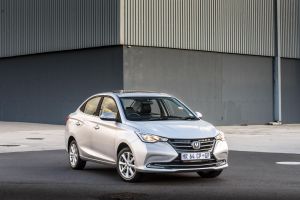
When South Africans buy a car, the purchase price is only the beginning of the ownership story. The real cost unfolds over years of fuel stops, service intervals, replacement parts and the occasional unexpected repair.
 Advertisement
 Advertisement
I have bad reflexes. I was once run over by a car being pushed by two guys
Woody Allen
A new modelling study published in Nature Energy suggests that battery‑electric passenger vehicles (EVs) could become the most cost‑effective option for many African countries within the next two decades.

Zimi and Zero Carbon Holdings (CHARGE Holdings) are proud to announce a three-year agreement to support the rollout of electric freight operations along South Africa’s N3 corridor.
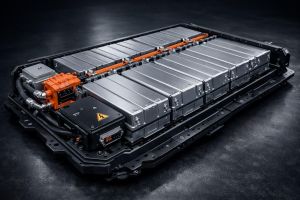
A new examination of electric vehicle (EV) battery data across Europe has provided compelling evidence that modern EV batteries last far longer than many motorists assume.