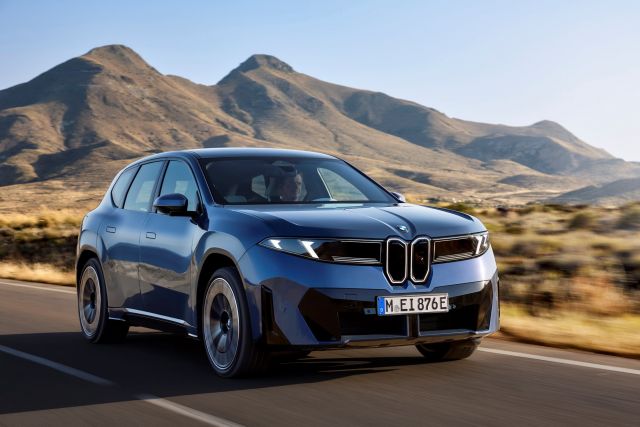
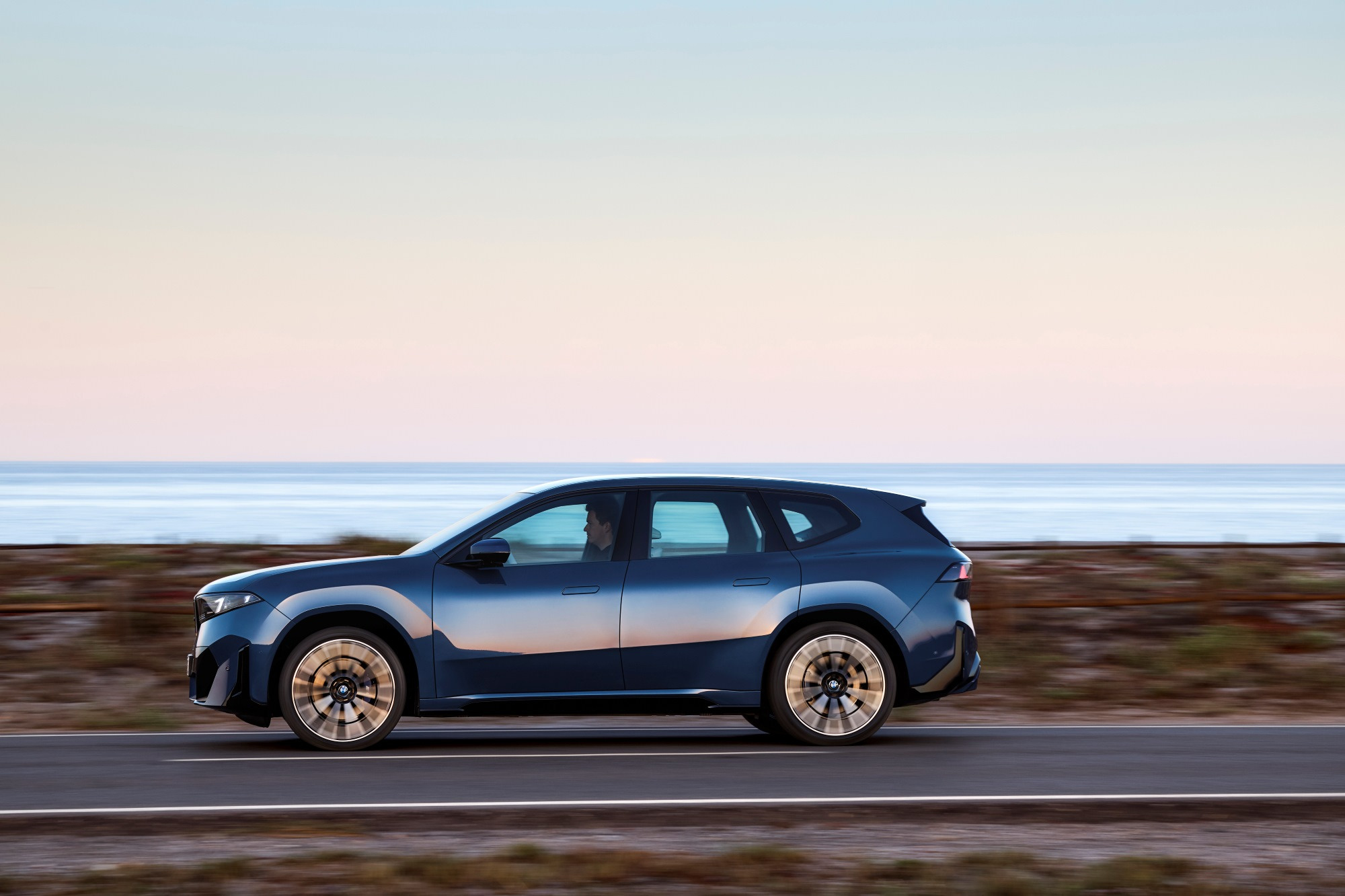
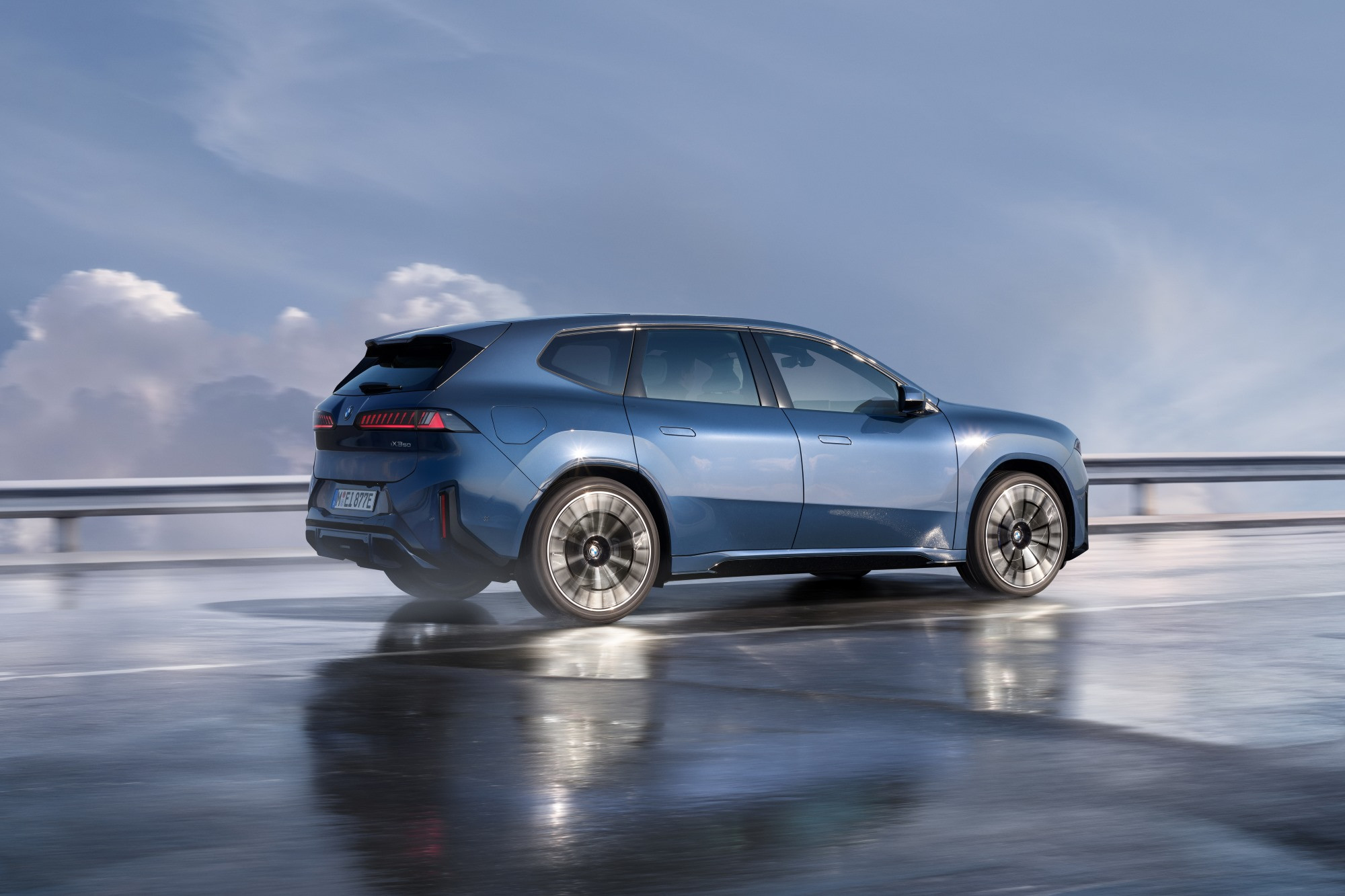
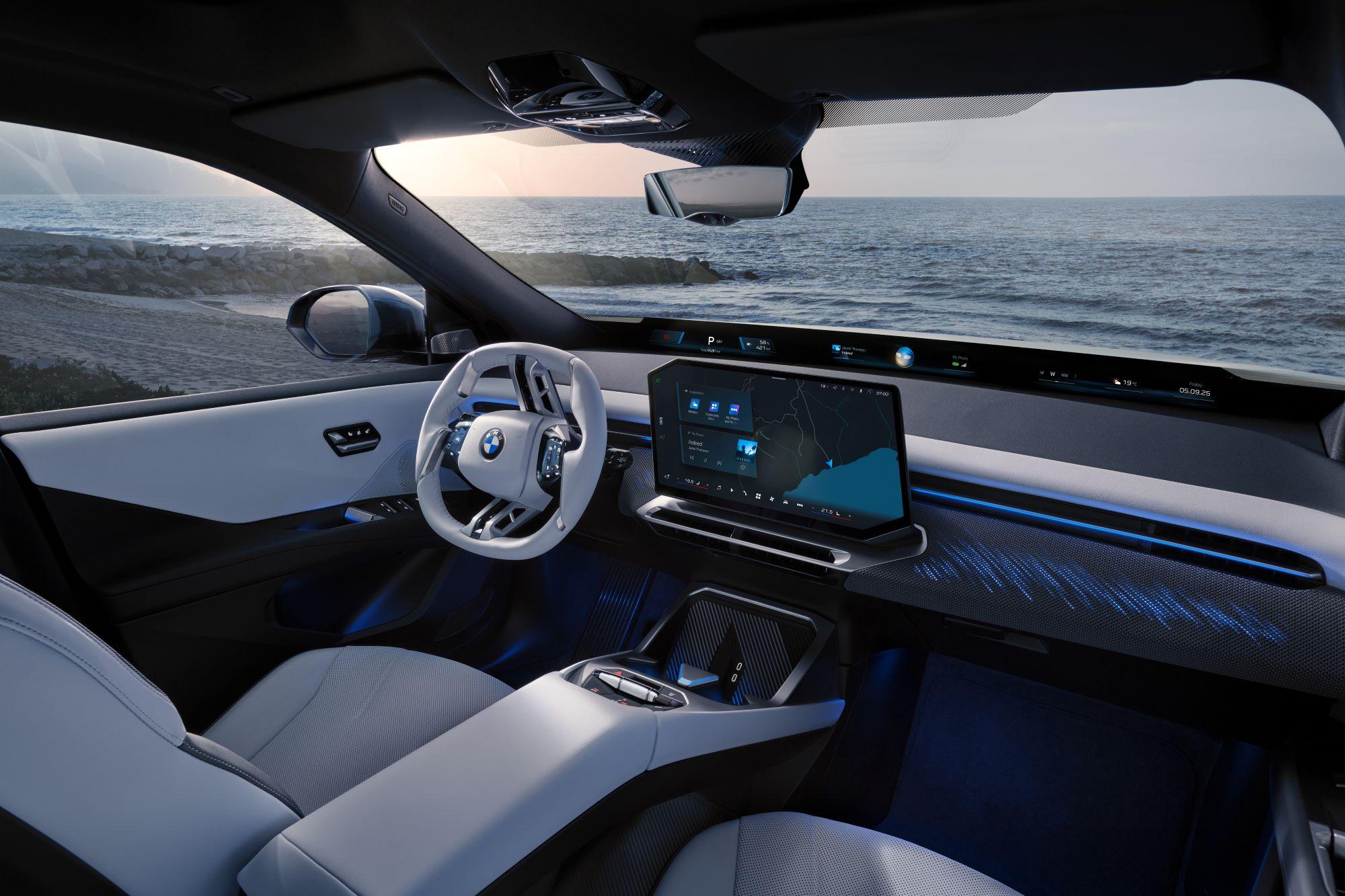
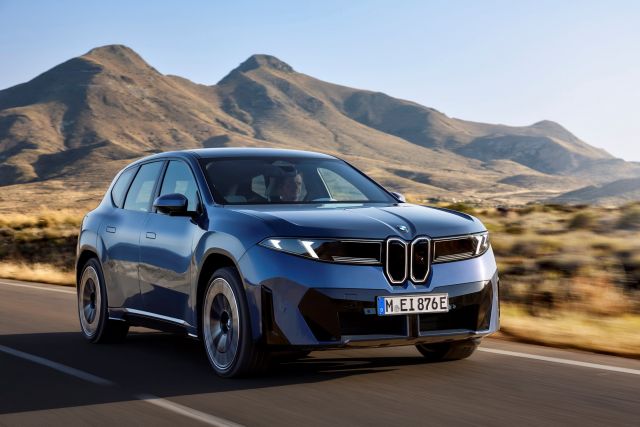
BMW believes its fortunes in China will turn around with the introduction of its revolutionary Neue Klasse electric vehicle series, which took a major step forward this week with the launch of its first model.
Share with friends
The German premium carmaker's Chief Financial Officer, Walter Mertl, expressed confidence that the new range would help BMW regain its footing in what remained its most important global market.
With a 400kW charging rate, enough power to add up to 372 kilometres of driving in ten minutes and a range of up to 805 kilometres, the BMW iX3 50 xDrive will certainly get the attention of car buyers. It can also cover up to 805 kilometres on a single battery charge.
"We are more than competitive with this product," Walter stated in an interview with Reuters. "With increasing availability of the Neue Klasse, we will see growth in China again."
BMW, like other European luxury brands, has struggled in China amid intensifying pressure from domestic electric vehicle manufacturers and a sluggish property sector that has dampened spending among wealthy consumers.
The company's Chinese sales fell by 15.5% during the first six months of 2025.
However, Mertl struck an optimistic tone following Friday's launch of the Neue Klasse iX3 electric SUV, which is set to reach Chinese showrooms by summer 2026.
"Looking at our future model range, I'm not worried," he said.
The vehicle's debut comes ahead of Munich's 2025 IAA automotive exhibition, where established German manufacturers face mounting pressure from an increasingly sophisticated Chinese automotive industry.
A significant breakthrough for BMW lies in the cost reduction achieved with the new model’s battery technology, which is 40% to 50% cheaper than current offerings, according to Mertl. This improvement is expected to substantially boost the company's margins.
The iX3 50 variant could achieve profitability levels matching traditional petrol-powered vehicles, industry parlance for "margin parity", by 2026, the finance chief revealed.
BMW is targeting an automotive EBIT margin between 5% and 7% for 2025, with aspirations to reach 8% to 10% in subsequent years.
The company's strategy involves gradually retiring its current model line-up by 2030 as the Neue Klasse series expand across all segments.
On the subject of US trade policy, where BMW operates its largest manufacturing site, Mertl confirmed that import tariffs would trim the company's profit margins by 1.25 percentage points this year.
Under proposed arrangements, the European Union would drop tariffs on American industrial imports in return for reduced US duties on European cars, falling from 27.5% to 15%, with the automotive industry hoping for retroactive implementation from August.
As fuel prices continue to climb across South Africa, many motorists are beginning to question whether owning a car still makes financial sense. With in-land petrol prices now at R26.63 a litre and diesel costs rising sharply in May, transport expenses are placing growing pressure on household budgets.
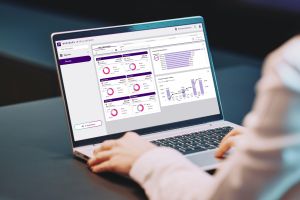
Pinewood.AI has added two new embedded modules to its Business Intelligence Solution, giving dealers and OEMs greater insight into financial performance and the customer journey, it says.
House lawmakers in the United States (US) have proposed bipartisan legislation that would require electric vehicles (EVs) to pay a R2 227 ($130) fee annually for road repairs, and R578 ($35) for some plug-in hybrid models, according to Reuters.
BYD is exploring the possibility of taking over underused car plants in Europe as it looks to expand its manufacturing base and strengthen its foothold in the region’s electric vehicle (EV) market.