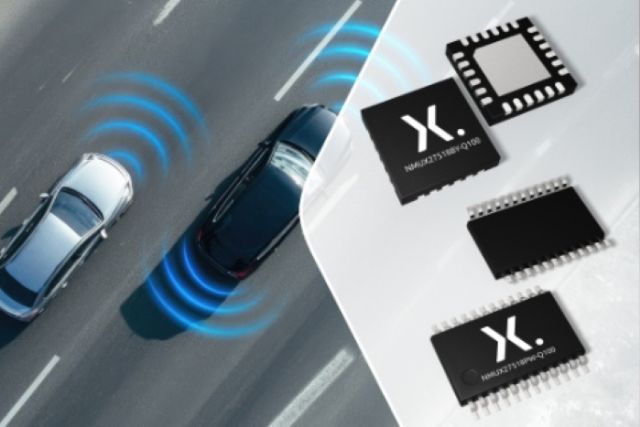
Automotive sector rattled by semiconductor supplier crisis
A geopolitical dispute over Nexperia, the Dutch chipmaker owned by China's Wingtech Technology, has exposed critical weaknesses in automotive supply chains worldwide.
Share with friends
The crisis erupted in September 2025 when the Netherlands government seized control of Nexperia, citing national security concerns around governance structures and potential technology leakage. China responded immediately by blocking chip exports from Nexperia's manufacturing sites on the mainland.
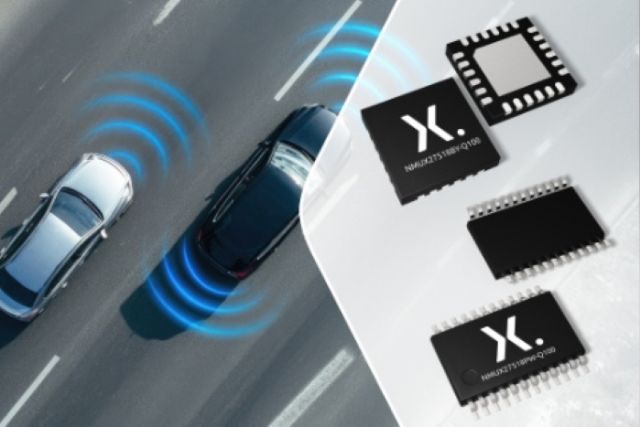
The impact on car production has been significant. Nexperia is a leading global supplier of discrete semiconductors, the humble yet essential transistors, diodes and MOSFETs that regulate power systems, lighting and safety features across virtually all modern vehicles. Whilst these components don't grab headlines like advanced computing chips do, they're indispensable to automotive manufacturing.
Market analysts believe that Nexperia holds approximately 40 per cent of global supply in select discrete semiconductor categories for the automotive industry. When a supplier of this scale faces disruption, even temporarily, vehicle manufacturers have extremely limited room to manoeuvre.
German automotive trade bodies and their international counterparts recently warned of potential factory stoppages if supply uncertainties persist. Carmakers have been forced to audit their component stockpiles and seek alternative suppliers, a complex undertaking requiring months of testing and safety certification for automotive-grade electronics.
There are preliminary signs of improvement. Early November reports suggest that China has begun releasing Nexperia chips destined for civilian applications, alleviating some immediate supply constraints. Volkswagen and other leading manufacturers have confirmed partial restoration of deliveries. Nevertheless, the episode has highlighted just how exposed global automotive supply chains remain to political disputes.
Beyond immediate production concerns, the Nexperia situation has reignited conversations about Europe's dependence on foreign-owned semiconductor infrastructure and the pressing need for diversified sourcing strategies. For the automotive industry, the takeaway is unambiguous: even inexpensive, basic components can become critical bottlenecks when geopolitics interferes with manufacturing.
In a sector built around just-in-time delivery and intricate international sourcing networks, the Nexperia crisis demonstrates that supply chain robustness and backup options may now rival cost efficiency in strategic importance.
Many forward-thinking individuals propose that autonomous vehicles will improve road safety as problematic driver behaviour, which contributes to 90% plus crashes, will be eliminated. A recent incident may cause some to doubt this, however.
Motorists travelling over the Easter period can expect heavy traffic across South Africa’s road network, with authorities warning that routes to Limpopo will come under particular pressure as thousands of pilgrims make their way to Moria.
Zimi and Zero Carbon Holdings (CHARGE Holdings) are proud to announce a three-year agreement to support the rollout of electric freight operations along South Africa’s N3 corridor.
A new examination of electric vehicle (EV) battery data across Europe has provided compelling evidence that modern EV batteries last far longer than many motorists assume.