
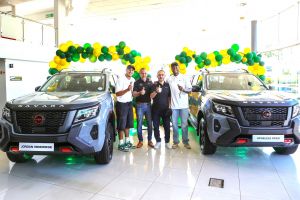
Springboks score tries in Nissan Navara Pro4X
Two leading Springbok rugby players, Aphelele Fassi and Jordan Hendrikse, have taken delivery of their new Nissan Navara Pro4X bakkies in Durban.
- Industry News
- 12 May 2026
On the eve of its foray into the electrical vehicle (EV) market, Aston Martin has opted for US start-up Lucid Group for assistance with battery technology.
Reuters reported that on 26 June, Aston Martin announced that the company had reached a deal that will give US EV maker, Lucid Group, a 3.7% stake in the company in return for access to its "high performance" technology.
Subject to shareholder approval, Aston Martin will issue about 28.4 million new ordinary shares to Lucid Group. It will also make phased cash payments to Lucid totalling about $232 million.
The high costs of migrating to EVs have forced many smaller carmakers such as Aston Martin to become more reliant on partnerships to make the transition.
Aston Martin plans its first EV in 2025 and until now had leant on Mercedes as its “big brother” to provide the technology it needs.
In a separate announcement on the same day, Aston Martin said it had amended an agreement with Mercedes-Benz meaning the German carmaker would not increase its stake as planned but will maintain around 9% in Aston Martin and continue to provide it with access to engine and EV technology.
The agreement with Lucid, meanwhile, will give "access to Lucid's industry-leading technology for its (battery electric vehicles) BEVs, including electric powertrains and battery systems".
Lucid and Aston Martin have a common shareholder in Saudi Arabia's Public Investment Fund (PIF). The Saudi wealth fund became Aston Martin's second-largest shareholder last year.
PIF is also Lucid's main shareholder.
Two leading Springbok rugby players, Aphelele Fassi and Jordan Hendrikse, have taken delivery of their new Nissan Navara Pro4X bakkies in Durban.
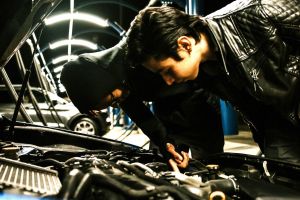
Dealership service departments know the pattern: the moment warranties and service plans expire; a portion of owners quietly migrate to the independent aftermarket.

Mercedes-Benz Vans South Africa announced its top-performing Agents and Dealers for 2025, recognising their exceptional dedication, customer service and commitment to the brand.
 Advertisement
 Advertisement
Have you ever noticed that anybody driving slower than you is an idiot, and anyone going faster than you is a maniac?
George Carlin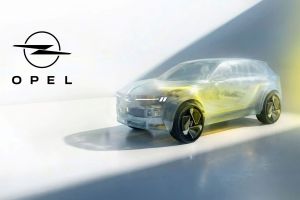
Opel has unveiled a key project under development in its model strategy: a completely new, all-electric SUV in the important and highly competitive C-segment that would extend the current line-up.
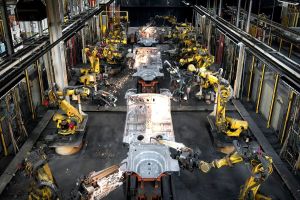
Nissan’s decision to drop a planned $500 million investment in electric vehicle (EV) production at its Canton, Mississippi plant is the latest indication that established manufacturers are reassessing how quickly the market will shift to battery power.
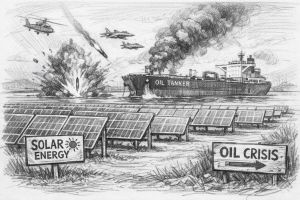
Zero Carbon Charge (CHARGE) welcomes the government’s extension of short term fuel levy relief measures aimed at cushioning consumers from rising fuel prices, but cautions that these interventions do not address the underlying structural challenge facing South Africa’s transport economy.