Aston Martin to plug into Lucid’s battery tech for EV plans
On the eve of its foray into the electrical vehicle (EV) market, Aston Martin has opted for US start-up Lucid Group for assistance with battery technology.
Share with friends
Reuters reported that on 26 June, Aston Martin announced that the company had reached a deal that will give US EV maker, Lucid Group, a 3.7% stake in the company in return for access to its "high performance" technology.
Subject to shareholder approval, Aston Martin will issue about 28.4 million new ordinary shares to Lucid Group. It will also make phased cash payments to Lucid totalling about $232 million.
The high costs of migrating to EVs have forced many smaller carmakers such as Aston Martin to become more reliant on partnerships to make the transition.
Aston Martin plans its first EV in 2025 and until now had leant on Mercedes as its “big brother” to provide the technology it needs.
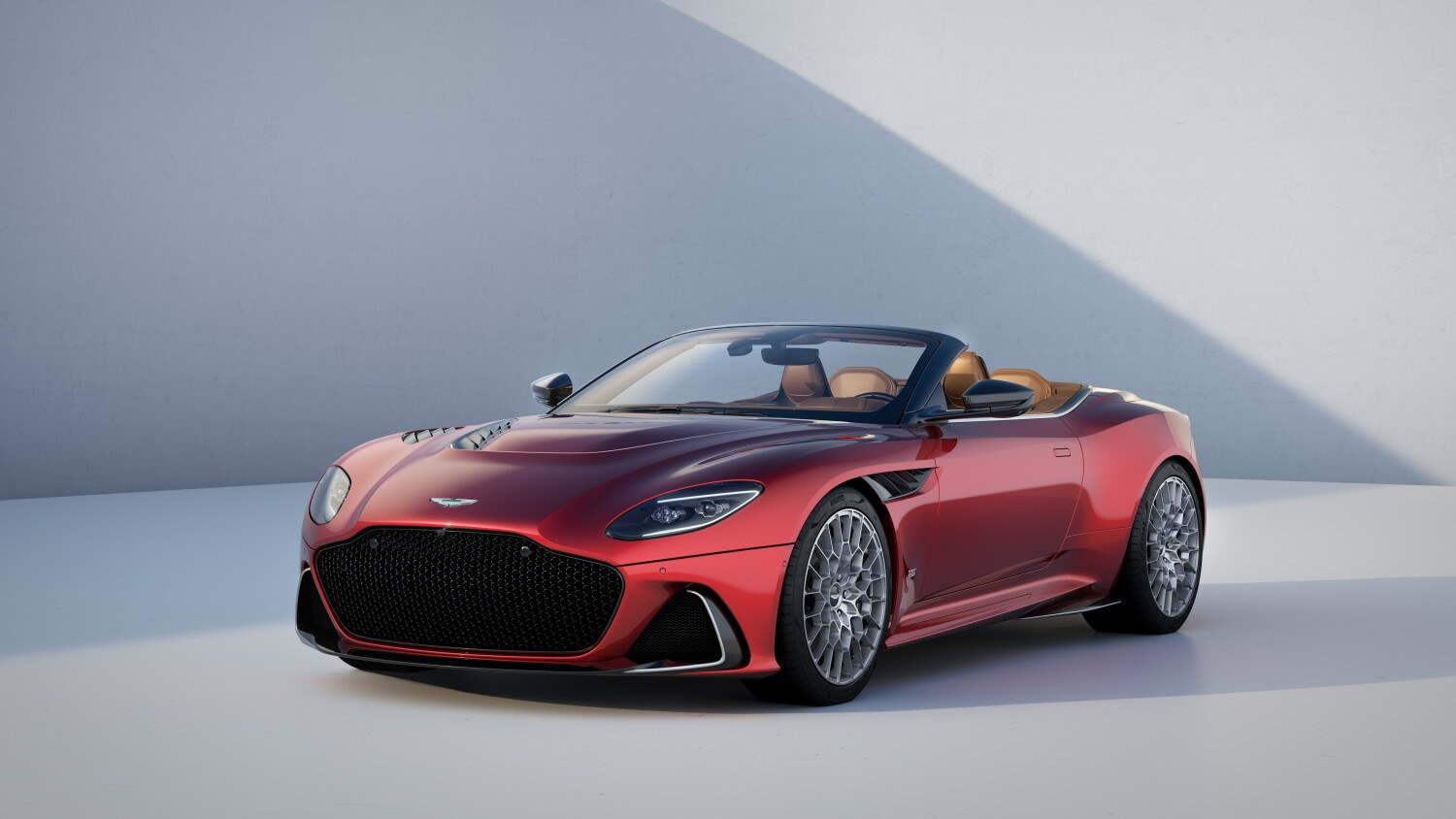
In the near future, Aston Martins like this beautiful DBS 770 Ultimate Volante will get their kick from a battery and not and ICE.
In a separate announcement on the same day, Aston Martin said it had amended an agreement with Mercedes-Benz meaning the German carmaker would not increase its stake as planned but will maintain around 9% in Aston Martin and continue to provide it with access to engine and EV technology.
The agreement with Lucid, meanwhile, will give "access to Lucid's industry-leading technology for its (battery electric vehicles) BEVs, including electric powertrains and battery systems".
Lucid and Aston Martin have a common shareholder in Saudi Arabia's Public Investment Fund (PIF). The Saudi wealth fund became Aston Martin's second-largest shareholder last year.
As fuel prices continue to climb across South Africa, many motorists are beginning to question whether owning a car still makes financial sense. With in-land petrol prices now at R26.63 a litre and diesel costs rising sharply in May, transport expenses are placing growing pressure on household budgets.
Pinewood.AI has added two new embedded modules to its Business Intelligence Solution, giving dealers and OEMs greater insight into financial performance and the customer journey, it says.
House lawmakers in the United States (US) have proposed bipartisan legislation that would require electric vehicles (EVs) to pay a R2 227 ($130) fee annually for road repairs, and R578 ($35) for some plug-in hybrid models, according to Reuters.
BYD is exploring the possibility of taking over underused car plants in Europe as it looks to expand its manufacturing base and strengthen its foothold in the region’s electric vehicle (EV) market.