Aston Martin to plug into Lucid’s battery tech for EV plans
On the eve of its foray into the electrical vehicle (EV) market, Aston Martin has opted for US start-up Lucid Group for assistance with battery technology.
Share with friends
Reuters reported that on 26 June, Aston Martin announced that the company had reached a deal that will give US EV maker, Lucid Group, a 3.7% stake in the company in return for access to its "high performance" technology.
Subject to shareholder approval, Aston Martin will issue about 28.4 million new ordinary shares to Lucid Group. It will also make phased cash payments to Lucid totalling about $232 million.
The high costs of migrating to EVs have forced many smaller carmakers such as Aston Martin to become more reliant on partnerships to make the transition.
Aston Martin plans its first EV in 2025 and until now had leant on Mercedes as its “big brother” to provide the technology it needs.
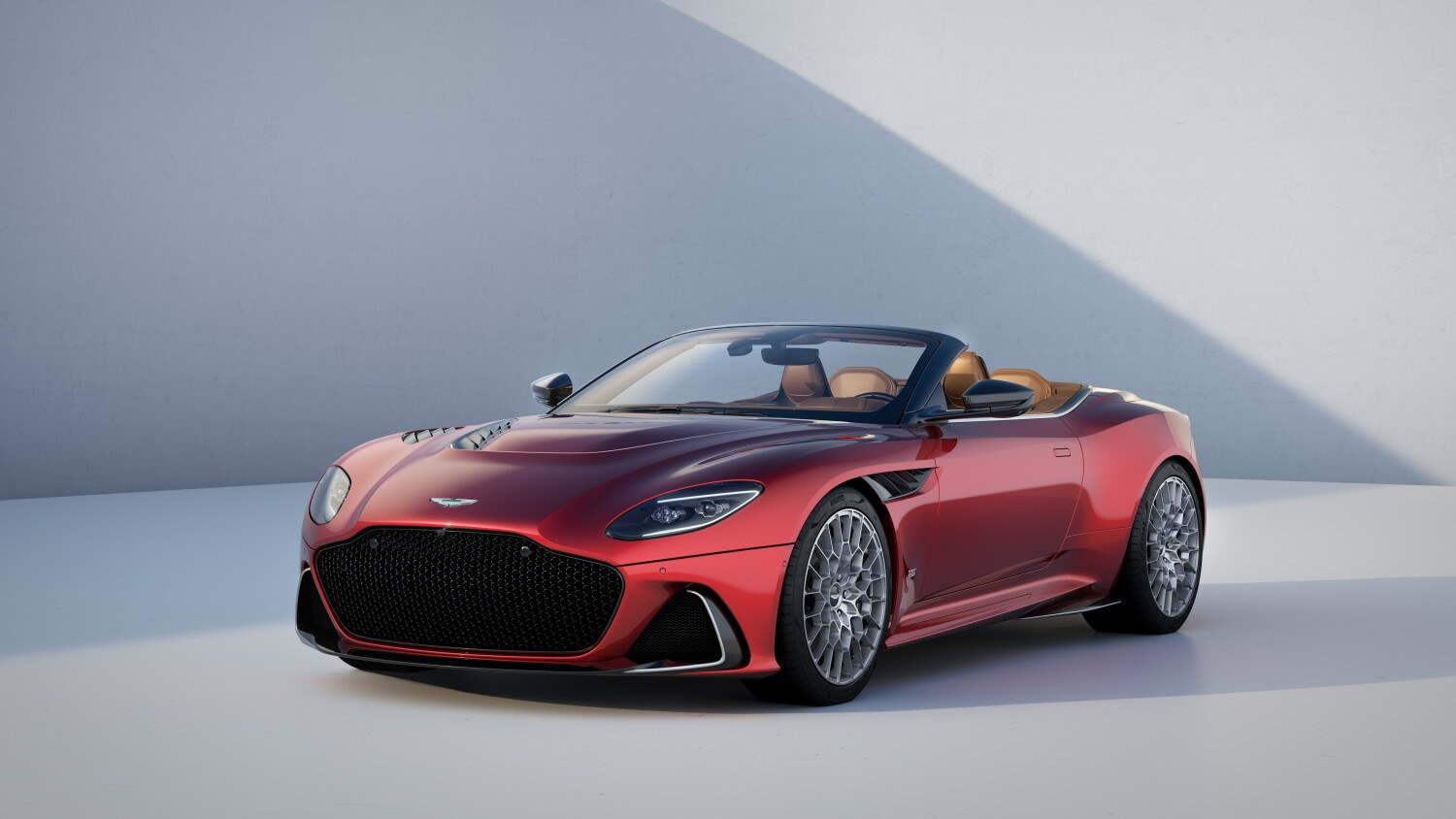
In the near future, Aston Martins like this beautiful DBS 770 Ultimate Volante will get their kick from a battery and not and ICE.
In a separate announcement on the same day, Aston Martin said it had amended an agreement with Mercedes-Benz meaning the German carmaker would not increase its stake as planned but will maintain around 9% in Aston Martin and continue to provide it with access to engine and EV technology.
The agreement with Lucid, meanwhile, will give "access to Lucid's industry-leading technology for its (battery electric vehicles) BEVs, including electric powertrains and battery systems".
Lucid and Aston Martin have a common shareholder in Saudi Arabia's Public Investment Fund (PIF). The Saudi wealth fund became Aston Martin's second-largest shareholder last year.
Few can claim a bond with Mazda as deep as the Plitt family's. For more than 60 years, Mazda has been part of the family's story through Mazda Vereeniging, the oldest Mazda dealership in South Africa and a longstanding standalone representative of the brand.
Peugeot has expanded its Landtrek line-up with the addition of a new turbodiesel-powered model aimed at buyers looking for increased performance, greater towing capability and updated technology. The latest derivatives join the range from October 2026 and introduce a significant powertrain upgrade for the bakkie.
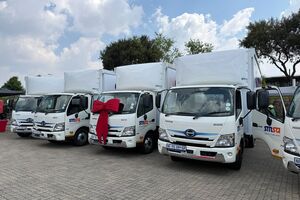
SMSA Africa Logistics Group has added five Hino 300 diesel electric hybrid trucks with van bodies to its fleet, following a two-year trial of three such trucks in its delivery operation.
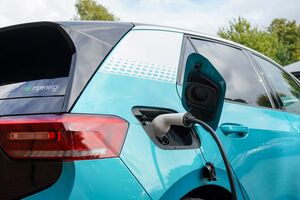
South Africa's new energy vehicle market is becoming increasingly diverse, with plug in hybrid electric vehicles (PHEVs) and fully electric vehicles gaining ground while traditional hybrids remain the largest category.
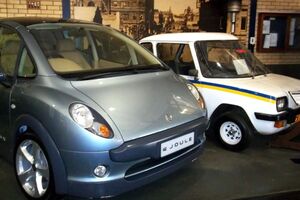
As South Africans celebrate their rich heritage, it is also worth reflecting on a lesser-known chapter of the country's history: its long connection with electric vehicles (EVs).