
Funky wheels: China’s big drive in South Africa
No, the Chinese are not coming to take over – they are already busy accomplishing it.
- Industry News
- 4 May 2026
JLR has partnered with energy storage start-up, Allye Energy, to create a novel Battery Energy Storage System (BESS) to provide zero emissions power on the go.
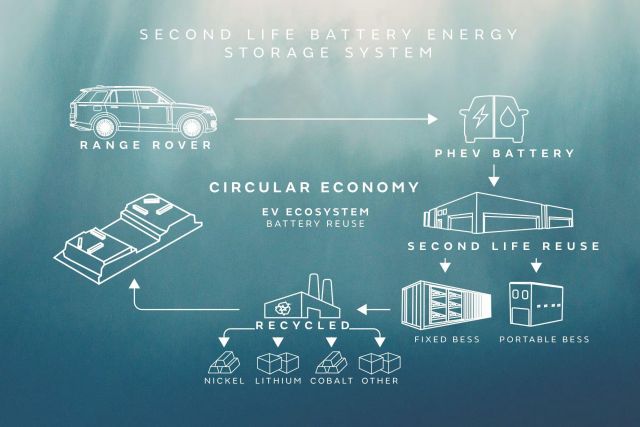
A single Allye MAX BESS holds seven second-life Range Rover and Range Rover Sport PHEV battery packs that are simply removed from the vehicles and slotted into customised racks, without unnecessary, additional processing. Each BESS can store 270 kWh of energy at full capacity, enough to power the average UK household for nearly a month.
The BESS, which is first to use JLR’s second life Range Rover batteries, can charge up to nine Range Rover PHEVs at any one time and is designed to be easily charged by simply plugging it into any CCS-capable Vehicle Charger using the same input as JLR’s existing PHEV and BEV product portfolio. In addition, multi-input connectivity via power lock connections enables it to be connected to renewable power at fixed or off-grid sites.
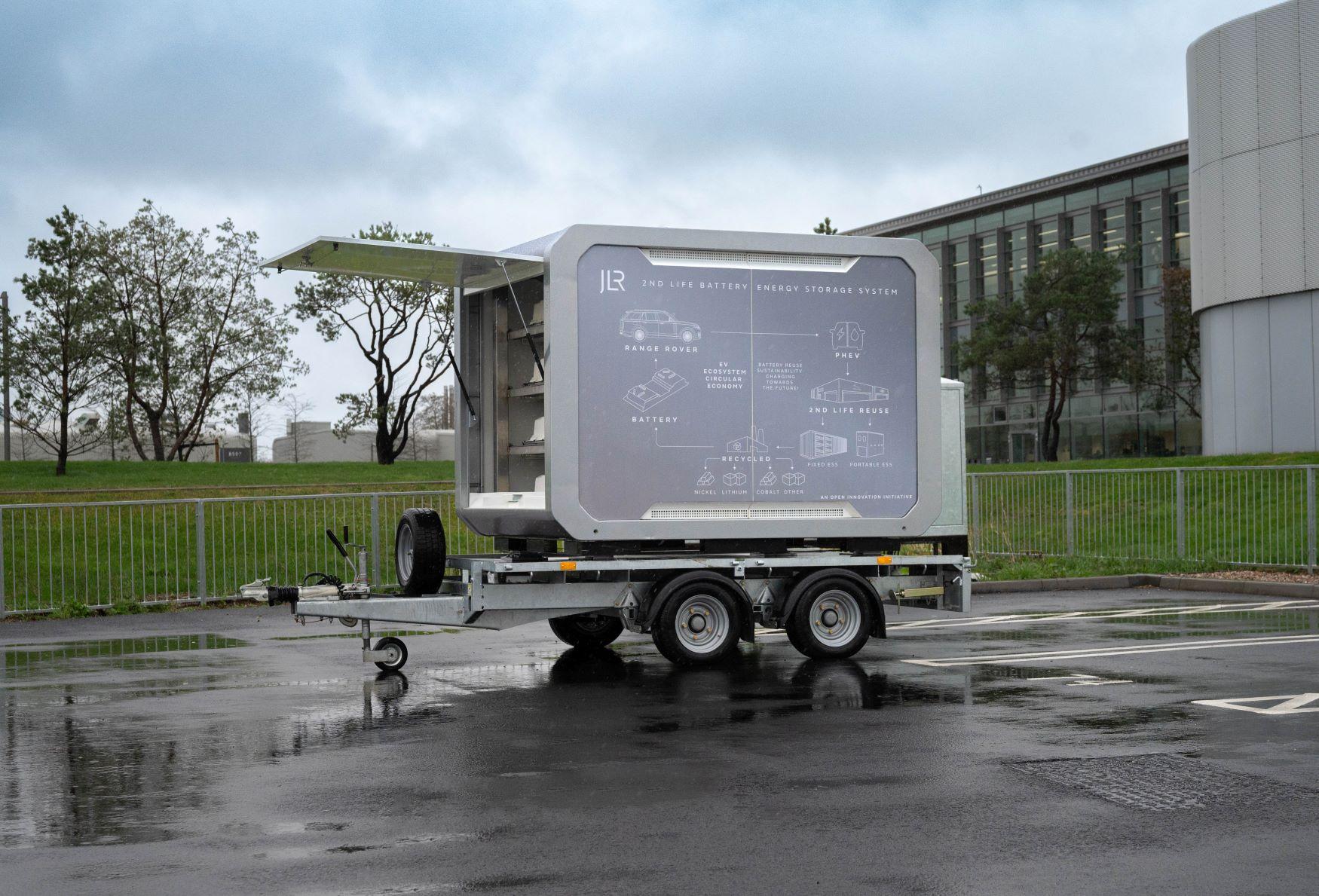
The MAX BESS can be used to replace diesel generators, historically relied on by the automotive industry, to power off-grid vehicle launches, events and vehicle tests in remote areas. JLR’s Engineering team is the first to utilise the new BESS, providing zero emissions power during testing of the new Range Rover Electric, due to launch later this year.
The versatile BESS weighs less than 3.5 tonnes, allowing it to be fully portable or stationary, to provide energy storage for retailers or JLR sites. This would help JLR’s network of over 3 000 retailers to better leverage renewable energy such as solar and act as energy buffers to support fast charging where the local grid connection may be restricted. The unit will also be commercially available for use outside of JLR.
One example of how the BESS is being used practically in the development of Range Rover Electric is through the Engineering team’s prolonged endurance testing at remote off-road sites where only low power connections are available that would only enable a slow charge.
The engineers can top up the BESS from a low power supply during testing and then transfer the power to the Range Rover Electric via fast charging from the BESS, much more quickly than directly charging the vehicle from the supply. Working in this way allows the testing to be completed in a much quicker time frame than would normally be possible.
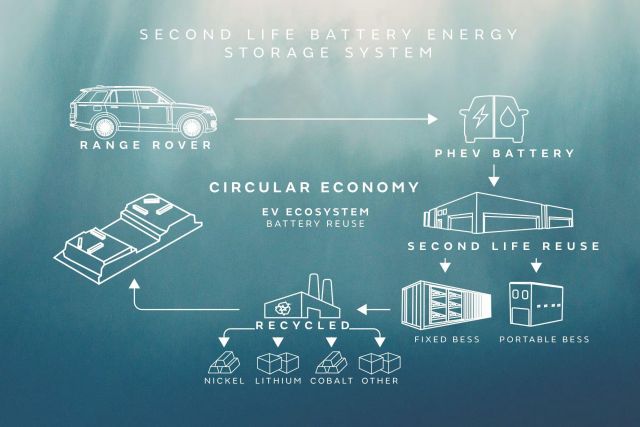
Engineered to the highest standards, JLR’s batteries can be safely deployed in low-energy situations once their health falls below electric vehicle requirements, which typically leaves a 70-80% residual capacity. Following these second-life use cases, JLR will recycle the batteries so that raw materials can be recovered for re-use as part of a true circular economy.
No, the Chinese are not coming to take over – they are already busy accomplishing it.
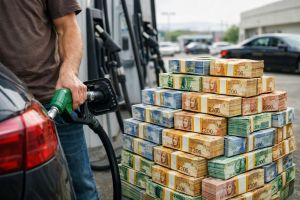
Motorists and households already under pressure will have to dig deeper into their pockets yet again from Wednesday, with sharp fuel and energy price hikes taking effect across South Africa.

Marcia Mayaba, Commercial Director at Dunlop Tyres South Africa, has been recognised as the top achiever at the recently held Woman of Stature Awards South Africa.
 Advertisement
Advertisement
Advertisement
You can't buy happiness but you can buy cars and that's kind of the same thing.
Unknown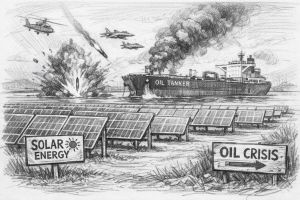
Zero Carbon Charge (CHARGE) welcomes the government’s extension of short term fuel levy relief measures aimed at cushioning consumers from rising fuel prices, but cautions that these interventions do not address the underlying structural challenge facing South Africa’s transport economy.
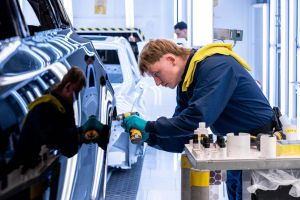
Volvo Cars has started building the fully electric EX60 at its Torslanda factory outside Gothenburg, with first customer deliveries due in early summer.
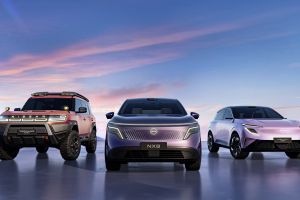
At Auto China 2026, Nissan unveiled two new NEV SUV concept cars, in its accelerated product rollout. It also highlights China’s role as one of the company’s lead markets and a global innovation and export hub, according to Nissan.