
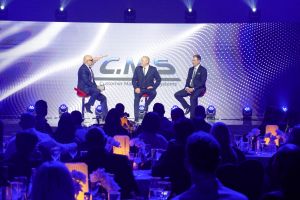
CMS Systems marks 25 years in automotive retail technology
CMS Systems is celebrating 25 years in business, marking a significant milestone for a company that has become a central player in automotive retail technology.
- Industry News
- 24 April 2026
This past Tuesday (15 November), Ford Motor Company CEO, Jim Farley, made a thrilling claim, saying the manufacturing of electric vehicles would need 40% less labour than internal combustion engine (ICE) vehicles.
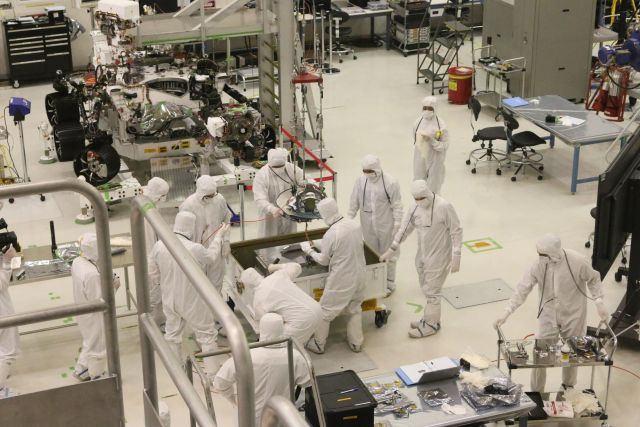
By now it has become part of EV lore that the maintenance of these vehicles will be much cheaper owing to the simplicity of EVs compared to their fossil-fuel counterparts. But Farley’s claim, which follows that simplicity also means simplicity in production, has not often been discussed.
Farley, speaking at a conference in Detroit, said this meant the company has to pursue more vertical integration by retraining workers instead of laying them off in order for Ford to manufacture more parts in-house. This will hark back to the heydays of Ford when Henry Ford owned forests, iron mines, limestone quarries and even a rubber plantation in Brazil in an attempt to wholly control the company’s supply chain.
Farley said: “If Henry Ford came back to life, he would have thought the last 60 years weren’t that exciting, but he would love it right now because we’re totally reinventing the company.”
In the light of Ford’s target of reaching 50% EV sales by 2030, Farley acknowledged that the transition would be challenging and that there would be “storm clouds”.
Farley pointed out that the battery production process was one area where jobs could be added and workers could be retrained.
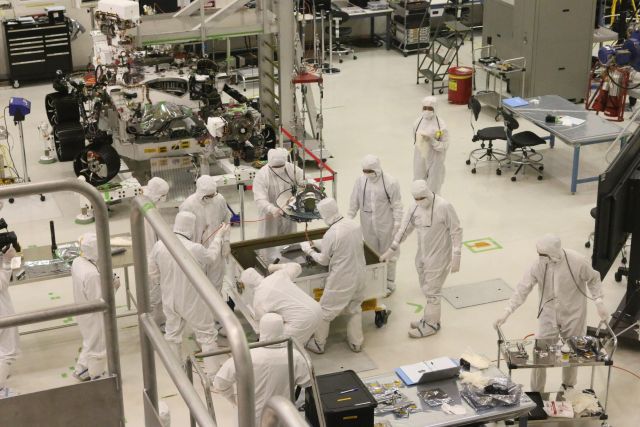
CMS Systems is celebrating 25 years in business, marking a significant milestone for a company that has become a central player in automotive retail technology.
Oil prices jumped on Wednesday after Iran's seizure of container ships in the strait.
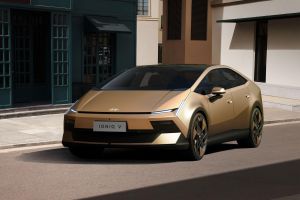
Hyundai Motor is preparing an aggressive comeback in China, unveiling plans to launch 20 new vehicles over the next five years as it tries to rebuild its position in the world’s largest car market.
 Advertisement
Advertisement
Advertisement
Have you ever noticed that anybody driving slower than you is an idiot, and anyone going faster than you is a maniac?
George Carlin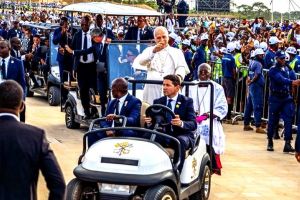
Supporting the Pope on Africa soil in or on vehicles assembled on the continent, is the story of OPAIA Motors.
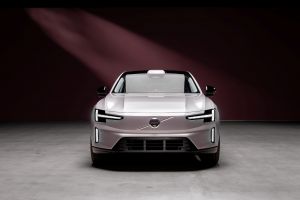
Europe’s shift to electric vehicles (EVs) gathered fresh momentum at the start of 2026, as soaring petrol prices prompted drivers to rethink the cost and security of running petrol and diesel vehicles.
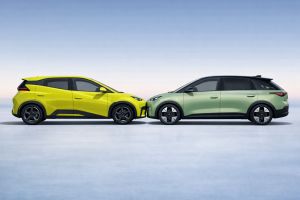
Two years ago, the cheapest mainstream electrical vehicles (EVs) in South Africa were mostly premium products priced well above R700 000.