
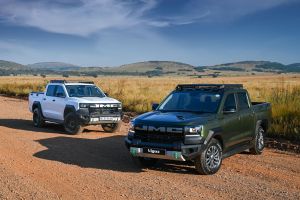
New JMC Vigus will make an impression
Following the official brand re-launch by the Salvador Caetano Group, JMC South Africa announce the arrival of the All-New JMC Vigus.
- Product News
- 17 April 2026
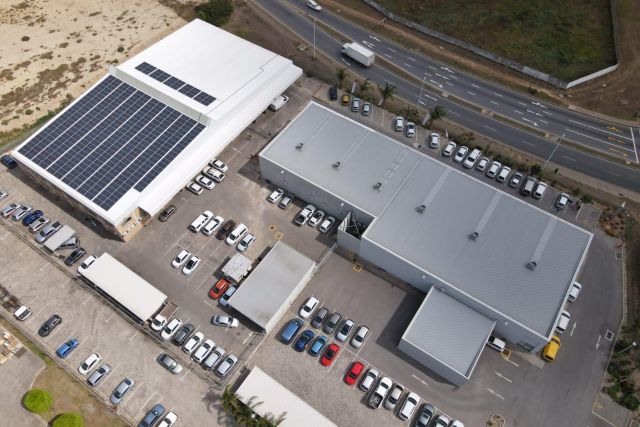
Without an alternative power source, it is increasingly unlikely that businesses will survive South Africa’s electricity crisis. It was this harsh realisation that prompted the Kelston Motor Group to invest heavily in solar solutions at its Eastern Cape dealerships.
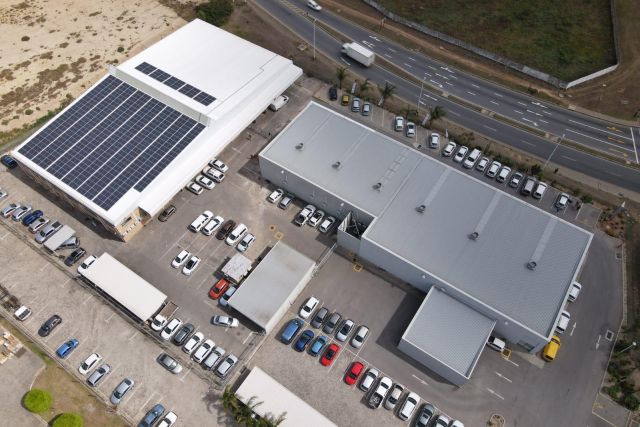
According to Kelston’s operations director, Peter McNaughton, businesses had no other choice but to adapt as the country continued to battle crippling load-shedding.
Eskom has imposed daily load-shedding since October 31 last year, making it well over 100 days of scheduled blackouts. Even by the power utility’s most liberal estimates, it will take at least two more years for its electricity-generating infrastructure to be overhauled.
An additional 4 000 to 6 000 megawatts of generating capacity are required if power outages are to end. For dealerships and other businesses, failing to act now could have dire consequences.
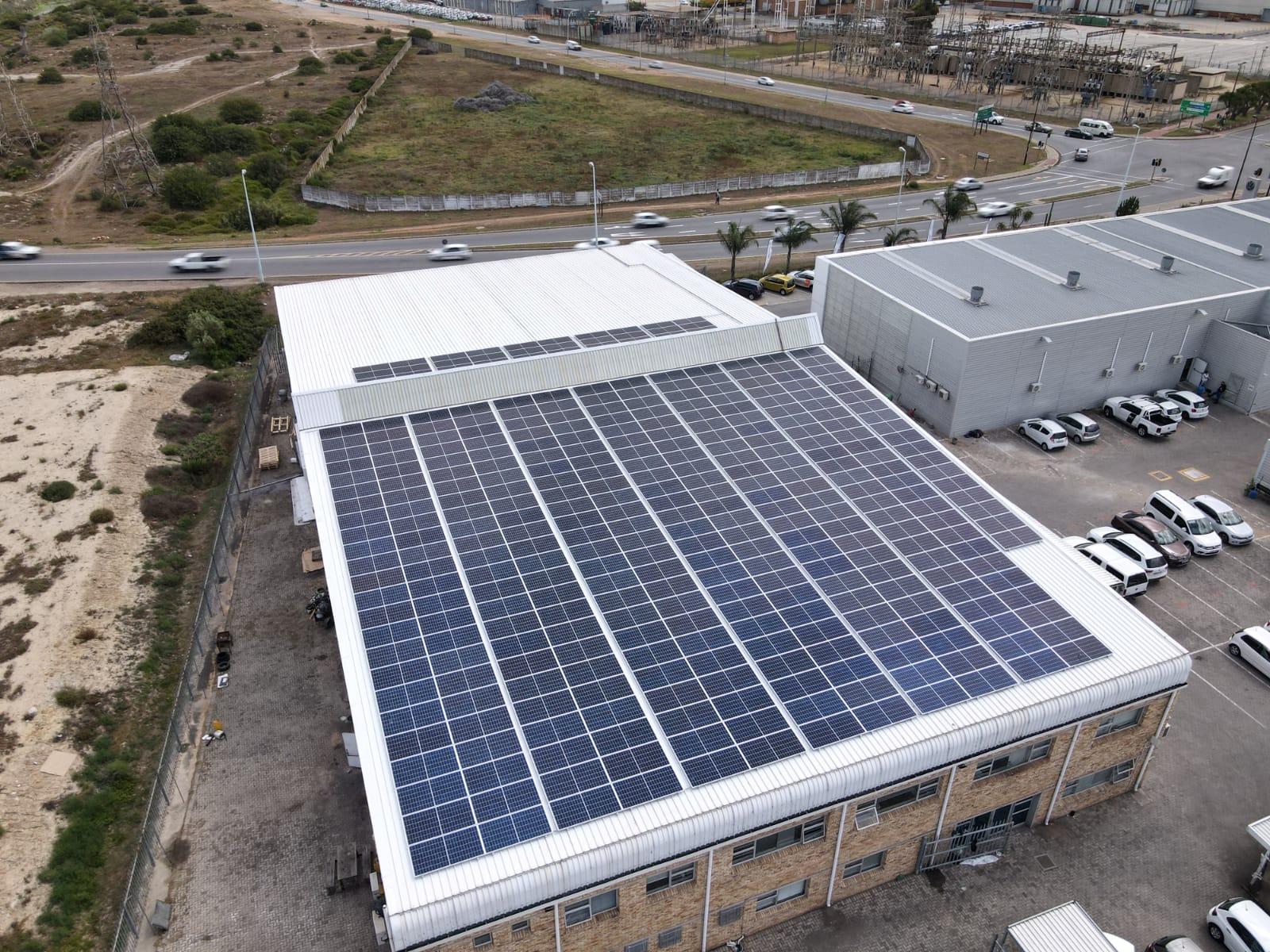
Kelston has already upgraded more than half its 21 dealerships to solar power after it became clear that its aftersales division, in particular, was being negatively impacted.
These dealerships are situated in major centres along the coast, most notably in the Nelson Mandela Metro, where its head office is, and East London.
The group also serves customers in the Karoo and provincial hinterland with a presence in towns such as Komani, in the north, and Cradock, Somerset East, Makhanda and Port Alfred.
As much as the business was in alignment with the environmental positives, Peter readily acknowledged that the decision to instal solar panels had been rooted in business sustainability.
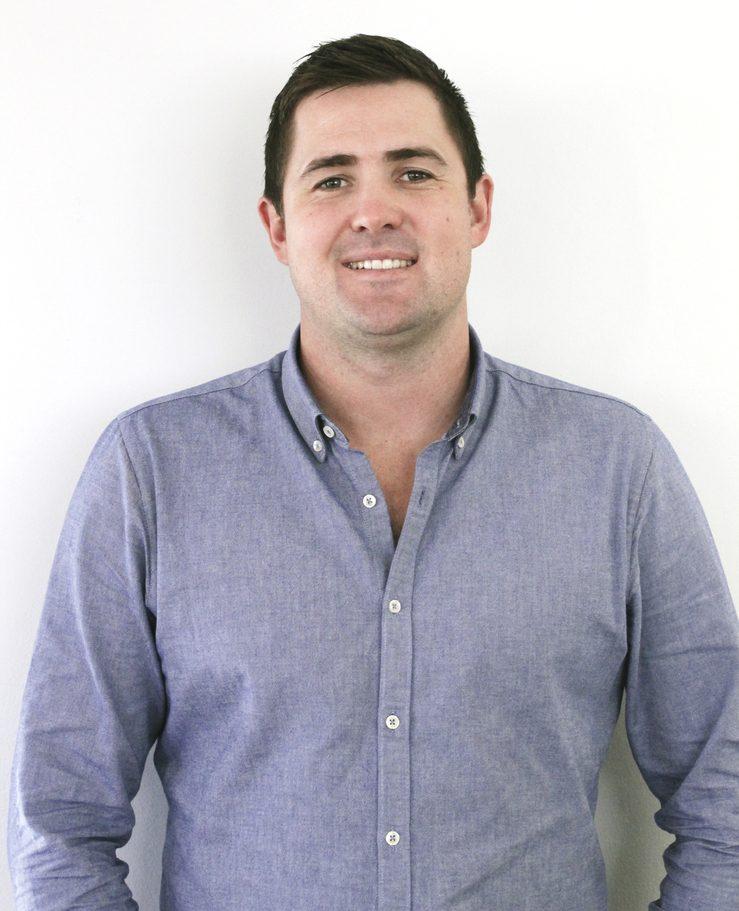
“We simply cannot repair or service vehicles without electricity. With the current levels of load-shedding and an uncertain future, we had no option but to upgrade. While load-shedding costs weighed heavily on production and productivity, blackouts also brought emotional costs, including low staff morale, increased frustration and a general lack of positivity,” he says.
However, he also pointed out that vehicle dealerships were luckier than most in that their power needs were relatively low compared to some other industries.
“We are fortunate that we only operate in the day, which saves on the need to purchase major power-storing units. For example, a major retail chain recently disclosed that it had spent R560 million on diesel in the last few months to keep its operations going during stages five and six load-shedding.”
While Kelston did not have a crystal ball and there was no way of telling whether South Africa could alleviate the power crisis, Peter believes there was a serious case for businesses to start producing their own power.
Following the official brand re-launch by the Salvador Caetano Group, JMC South Africa announce the arrival of the All-New JMC Vigus.
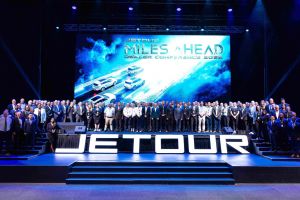
Jetour South Africa hosted its inaugural Dealer of the Year Awards on Tuesday night, bringing together its national dealer network of nearly 60 dealerships.
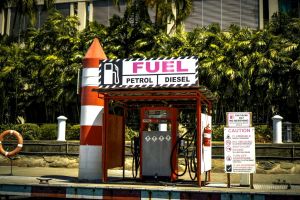
South Africa’s motorists and automotive sector are facing a fresh layer of uncertainty as the Middle East conflict continues to disrupt global oil markets, but for now the country’s fuel supply remains stable even as costs rise.
 Advertisement
 Advertisement
You can't buy happiness but you can buy cars and that's kind of the same thing.
Unknown
Jetour South Africa hosted its inaugural Dealer of the Year Awards on Tuesday night, bringing together its national dealer network of nearly 60 dealerships.

To be named the overall Hyundai Dealer of the Year is not something that simply happens. It is the result of hard work, dedication, looking after your staff and customers, and maintaining a clear focus on your goal. That goal is to be the best.
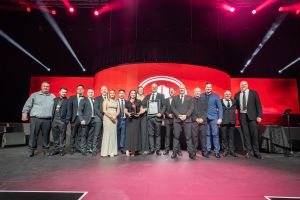
GWM South Africa hosted its annual Dealer Conference and Dealer of the Year Awards, bringing together its national dealer network of over 100 dealerships to review performance, align on strategic priorities, and recognise outstanding achievement across the business.