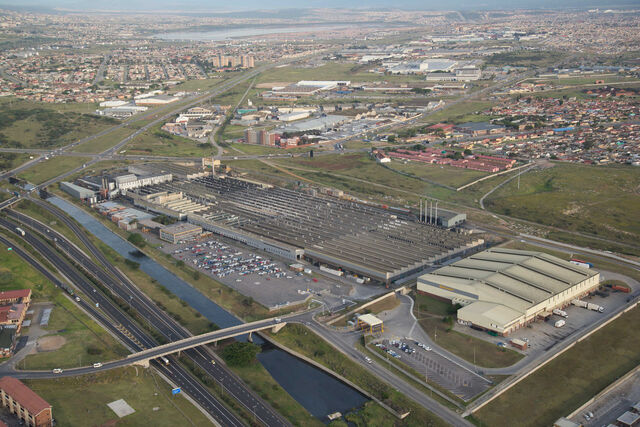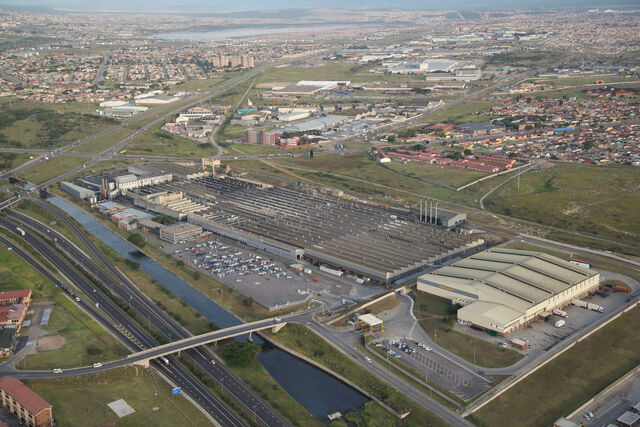
The two developments are significant for an industry that has supplied both vehicle manufacturers and the replacement tyre market from local factories for decades. Continental says its proposal is driven by underutilised production capacity and increasingly difficult market conditions, including competition from low-cost imports. However, the company has stressed that it is not withdrawing from South Africa or the wider African market.
According to Continental's announcement on 20 November 2026, approximately 950 employees could be affected by the proposed discontinuation of production at its Gqeberha facility. The company has begun a formal consultation process under Section 189A of the Labour Relations Act to explore possible alternatives and measures to reduce the impact on employees.
The proposal is therefore not yet a final closure decision. Continental says that, should no viable alternative emerge from the consultation process, production at the plant could be discontinued by early 2027.
The Gqeberha factory has a long history. It has manufactured tyres since 1947, initially under the General Tyre name. Continental-branded tyres have been produced there since 1985.
The company's BestDrive retail network will also remain unaffected by any potential changes to production.
The industry had already experienced another significant change in 2020, when Bridgestone announced the closure of its Port Elizabeth factory. The plant produced bias tyres, demand for which had declined as the market moved towards radial tyres. Bridgestone said converting the facility to radial tyre production would have required substantial investment. Its Brits operation in North West was retained.
If Continental's proposed closure proceeds, South Africa's remaining major tyre manufacturing operations would be those of Bridgestone in Brits and Sumitomo Rubber South Africa in Ladysmith, KwaZulu-Natal.
Sumitomo manufactures Dunlop passenger and light-truck tyres at its Ladysmith facility, which also produces truck and bus radial tyres. The company markets several brands, including Dunlop, Sumitomo and Falken. Its South African operation supplies the domestic market as well as export customers.
This would leave the country with two major tyre manufacturing sites, rather than the four-company manufacturing base historically represented by the South African Tyre Manufacturers Conference (SATMC).
SATMC, which represents Bridgestone, Continental, Goodyear and Sumitomo, issued its own statement on 20 November, expressing deep concern about Continental's proposal.
The organisation described the development as another significant setback for local tyre manufacturing. It said the two developments over approximately 15 months could represent the loss of around 1 800 jobs, with further consequences for employment, industrial investment and the broader manufacturing value chain.
SATMC Managing Executive Nduduzo Chala says the loss of manufacturing capacity is about much more than the closure of a factory. “It represents the loss of industrial capability, specialised skills, established supply chains and the capacity to produce locally.”
The organisation also pointed to the erosion of technical expertise and industrial skills built up over decades. It called for government, industry and organised labour to address the structural challenges facing local manufacturing, including import penetration and the competitiveness of the local operating environment.
Photo: Continental